A Series Short Pitch Precision Roller Chains

Maintaining synchronized kinetic motion across high-speed industrial machinery dictates the strict specification of A Series Short Pitch Precision Roller Chains. Engineered to withstand intense, continuous loads, these primary transmission linkages serve as the mechanical foundation for global agricultural equipment, continuous sorting lines, and rapid packaging infrastructure. By aggressively controlling the structural metallurgy, thermal treatment protocols, and shot-peening intensity of the steel components, these ISO/DIN compliant assemblies deliver the exceptional fatigue strength required for millions of continuous rotary cycles under extreme physical duress.
Mechanical Fundamentals & High-Speed Kinematics
A frequent inquiry from technical procurement teams evaluating power transmission layouts is, What is a chain and sprocket? Functionally, it is an exact kinetic mating interface where a precisely machined toothed hub transfers rotational engine torque through a flexible, interlocking metallic belt. In the A Series short pitch configuration, the dimensional distance between consecutive pin centers is intentionally minimized relative to the overall roller diameter. This reduced pitch dimension mathematically translates into a much higher number of sprocket teeth actively engaging the linkage at any given rotational angle.
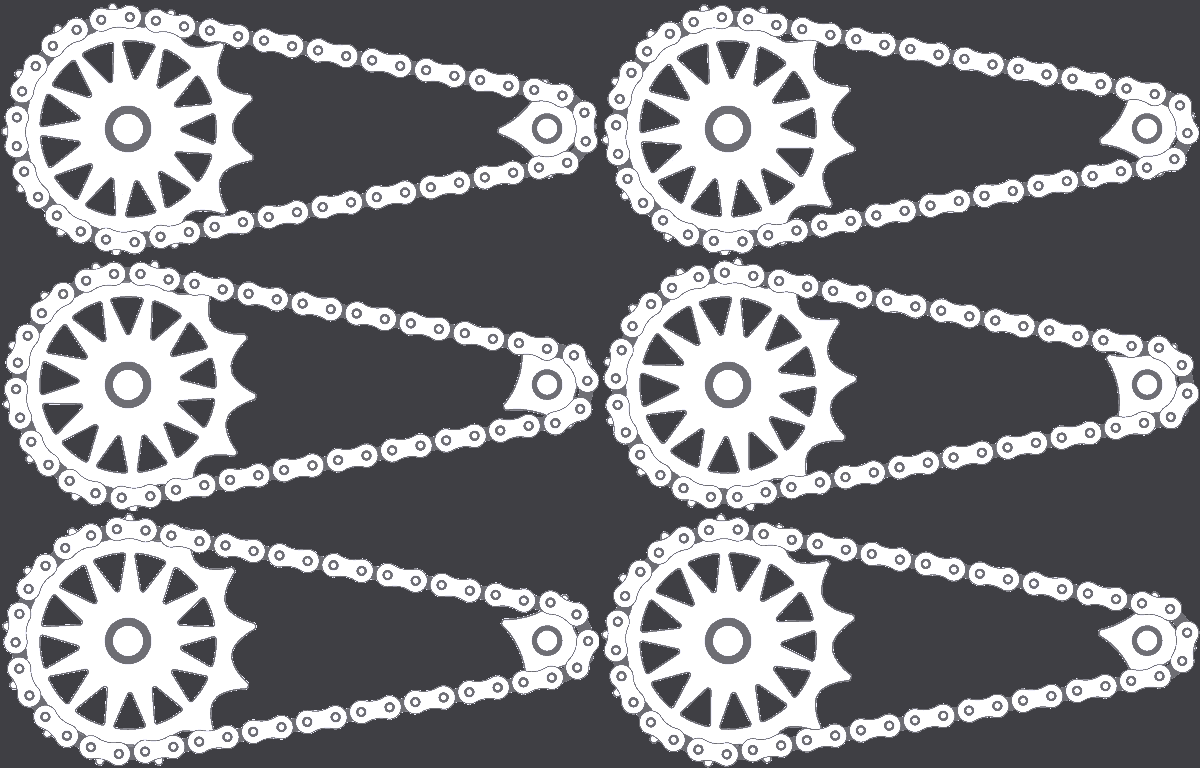
This precise geometric architecture drastically suppresses destructive chordal action—the harmonic vertical bounding that occurs as individual straight links negotiate the polygonal shape of the hub. By smoothing this engagement arc, the transmission securely transfers kinetic energy at very high RPMs without introducing structural chassis vibration. When utilized as a primary drive chain on highly sensitive equipment, a two-pitch offset link (frequently referred to as a half-link) is heavily recommended by mechanical designers to achieve perfectly exact loop lengths. This precise fitting minimizes operational slack, strictly preventing high-speed whipping and ensuring the solid rollers seat deeply and perfectly into the root cavity of the driven gears.
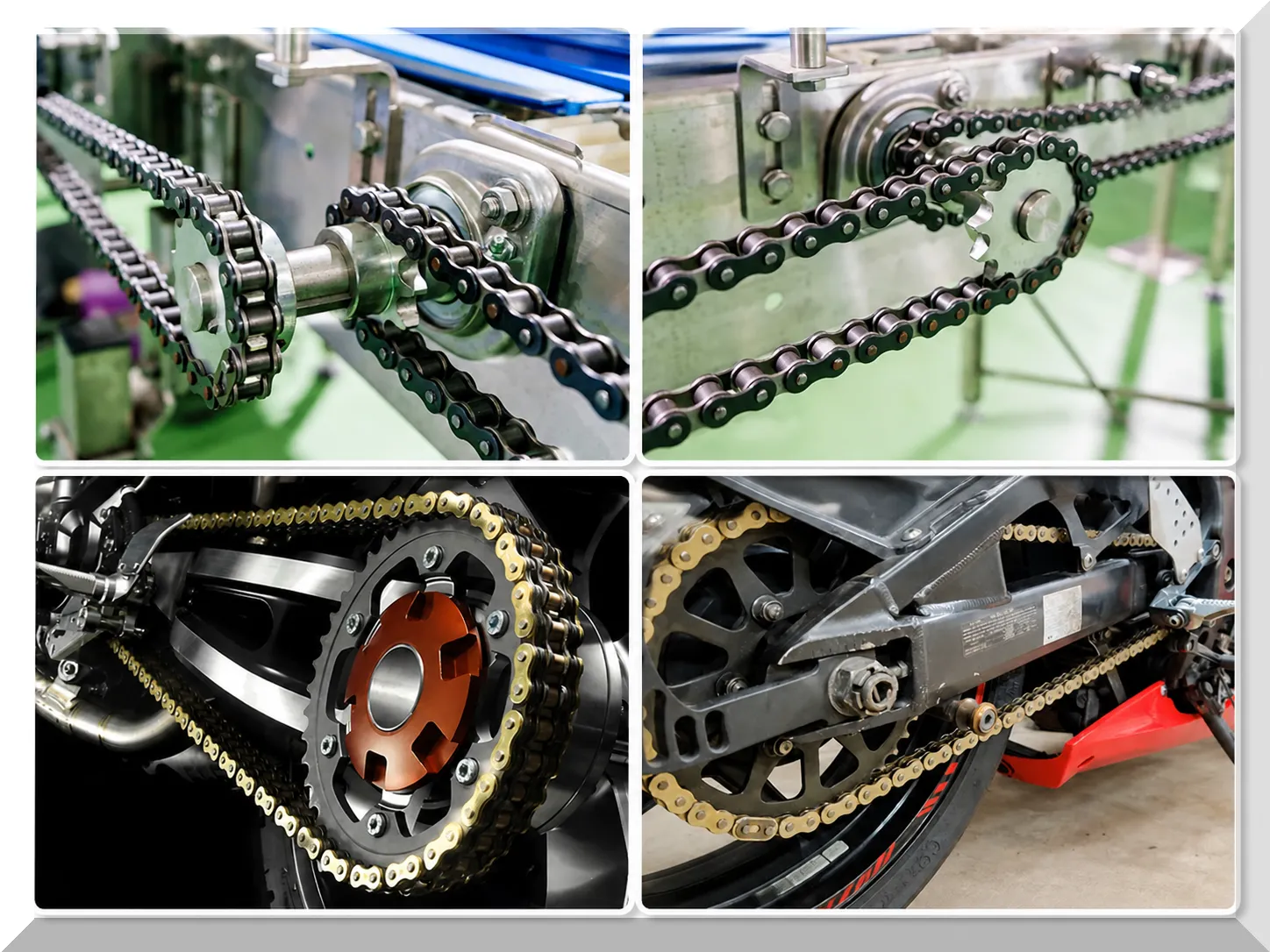
Furthermore, standard commercial applications rely on the exceptional yield limits built directly into these components. While a highly flexible motorcycle chain & sprocket configuration utilizes specialized rubber O-rings to retain internal grease against massive centrifugal forces, heavy industrial A Series components frequently abandon lateral flex entirely for unyielding longitudinal rigidity. They are engineered purely to pull multi-ton loads strictly across parallel planes without twisting, skewing, or elongating over time.
Simplex Formats & Geometric Tolerances
The simplex (single-strand) format represents the baseline geometry for A Series power transmission. It channels the entirety of the prime mover's output through a singular row of hardened bearing surfaces. The empirical parameters detailed below conform strictly to ISO and ANSI technical standards, dictating the exact geometric clearances required to prevent premature elongation. Plant operators must carefully cross-reference the ultimate tensile strength (Q min) against the continuous operating load of their specific machinery to ensure the safe yield limits are never surpassed.
When specifying a simplex replacement from the catalog, verifying the exact roller diameter (d1 max) and the inner width between plates (b1 min) is absolutely mandatory. An incorrectly sized roller will fail to seat deeply into the root cavity of the driven hub. Instead, it rides aggressively on the hardened tooth flanks. This mismatched engagement destroys the smooth torque transfer characteristic of short pitch designs, introducing severe radial friction that rapidly grinds away the carbonitrided steel surfaces.
| DIN/ISO No. | ANSI No. | Pitch (P) mm | Roller Dia (d1) | Inner Width (b1) | Pin Dia (d2) | Pin L max | Pin Lc max | Plate Depth (h2) | Plate Thick (T) | Ult Tensile kN/lbf | Avg Tensile kN | Weight kg/m |
|---|---|---|---|---|---|---|---|---|---|---|---|---|
| *03C | *15 | 4.7625 | 2.48 | 2.38 | 1.62 | 6.10 | 6.90 | 4.30 | 0.60 | 1.80/409 | 2.0 | 0.08 |
| *04C-1 | *25 | 6.3500 | 3.30 | 3.18 | 2.31 | 7.90 | 8.40 | 6.00 | 0.80 | 3.50/795 | 4.6 | 0.15 |
| *06C-1 | *35 | 9.5250 | 5.08 | 4.77 | 3.58 | 12.40 | 13.17 | 9.00 | 1.30 | 7.90/1795 | 10.8 | 0.33 |
| 085-1 | 41 | 12.7000 | 7.77 | 6.25 | 3.58 | 13.75 | 15.00 | 9.91 | 1.30 | 6.67/1516 | 12.6 | 0.41 |
| 08A-1 | 40 | 12.7000 | 7.95 | 7.85 | 3.96 | 16.60 | 17.80 | 12.00 | 1.50 | 14.10/3205 | 17.5 | 0.62 |
| 10A-1 | 50 | 15.8750 | 10.16 | 9.40 | 5.08 | 20.70 | 22.20 | 15.09 | 2.03 | 22.20/5045 | 29.4 | 1.02 |
| 12A-1 | 60 | 19.0500 | 11.91 | 12.57 | 5.94 | 25.90 | 27.70 | 18.00 | 2.42 | 31.80/7227 | 41.5 | 1.50 |
| 16A-1 | 80 | 25.4000 | 15.88 | 15.75 | 7.92 | 32.70 | 35.00 | 24.00 | 3.25 | 56.70/12886 | 69.4 | 2.60 |
| 20A-1 | 100 | 31.7500 | 19.05 | 18.90 | 9.53 | 40.40 | 44.70 | 30.00 | 4.00 | 88.50/20114 | 109.2 | 3.91 |
| 24A-1 | 120 | 38.1000 | 22.23 | 25.22 | 11.10 | 50.30 | 54.30 | 35.70 | 4.80 | 127.00/28864 | 156.3 | 5.62 |
| 28A-1 | 140 | 44.4500 | 25.40 | 25.22 | 12.70 | 54.40 | 59.00 | 41.00 | 5.60 | 172.40/39182 | 212.0 | 7.50 |
| 32A-1 | 160 | 50.8000 | 28.58 | 31.55 | 14.27 | 64.80 | 69.60 | 47.80 | 6.40 | 226.80/51545 | 278.9 | 10.10 |
| 36A-1 | 180 | 57.1500 | 35.71 | 35.48 | 17.46 | 72.80 | 78.60 | 53.60 | 7.20 | 280.20/63682 | 341.8 | 13.45 |
| 40A-1 | 200 | 63.5000 | 39.68 | 37.85 | 19.85 | 80.30 | 87.20 | 60.00 | 8.00 | 353.80/80409 | 431.6 | 16.15 |
| 48A-1 | 240 | 76.2000 | 47.63 | 47.35 | 23.81 | 95.50 | 103.00 | 72.39 | 9.50 | 510.30/115977 | 622.5 | 23.20 |
* Bush chain exception: For variants marked with an asterisk, the d1 parameter specifically designates the external diameter of the internal fixed bush rather than a free-spinning external roller.
Transverse Load Distribution: Duplex & Triplex Architectures
When rotational torque parameters completely overwhelm the safe yield threshold of a simplex linkage, but external housing dimensions prohibit the installation of a larger pitch, engineers specify multiplex configurations. The duplex (double-strand) and triplex (triple-strand) formats mechanically fuse parallel rows of high-carbon steel plates via extended, case-hardened cross-pins. By splitting the immense radial stress across distinct load-bearing planes, the per-pin shear stress drops significantly, actively preventing catastrophic fracture in highly unpredictable environments such as massive rotary kilns or heavy timber debarkers.
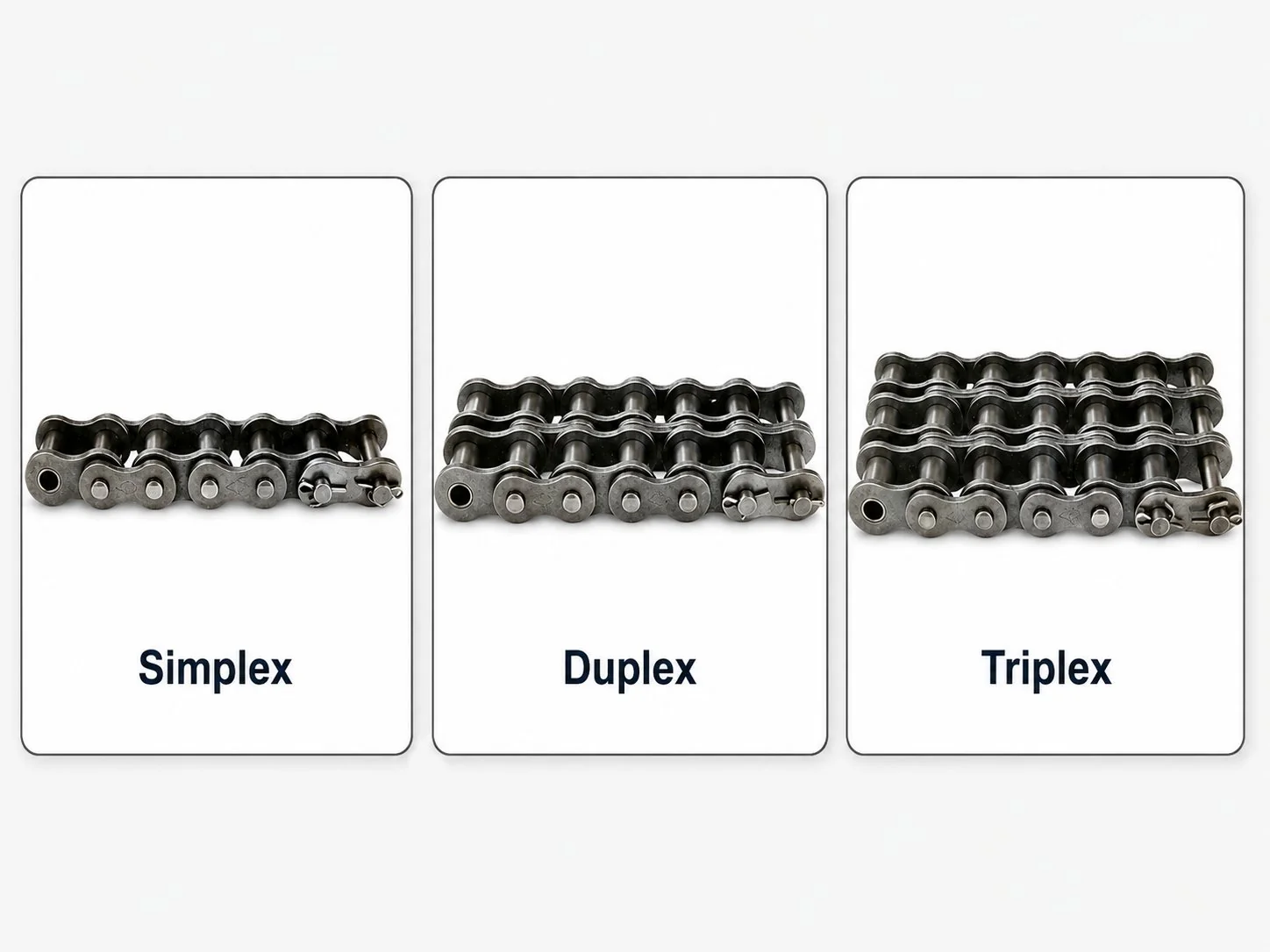
The absolute critical engineering metric introduced in the multiplex data matrix is the Transverse Pitch (Pt). This defines the exact centerline-to-centerline distance between the parallel roller rows. Multi-strand sprocket and chain systems must be aligned with micrometer accuracy. If the toothed hubs are misaligned, or if the hub's hobbing fails to mirror this Pt spacing identically, the kinetic load shifts violently onto a single strand. This immediately tears the inner plates and shatters the assembly. Accurate specification from the table below guarantees perfect parallel distribution across the entire drivetrain.
Duplex (2-Strand) Data Matrix
| DIN/ISO No. | ANSI No. | Pitch (P) mm | Roller Dia (d1) | Inner Width (b1) | Pin Dia (d2) | Pin L max | Pin Lc max | Plate Depth (h2) | Plate Thick (T) | Transverse (Pt) | Ult Tensile kN/lbf | Avg Tensile kN | Weight kg/m |
|---|---|---|---|---|---|---|---|---|---|---|---|---|---|
| *04C-2 | *25-2 | 6.350 | 3.30 | 3.18 | 2.31 | 14.5 | 15.0 | 6.00 | 0.80 | 6.40 | 7.00/1591 | 8.6 | 0.28 |
| *06C-2 | *35-2 | 9.525 | 5.08 | 4.77 | 3.58 | 22.5 | 23.3 | 9.00 | 1.30 | 10.13 | 15.80/3591 | 19.7 | 0.63 |
| 085-2 | 41-2 | 12.700 | 7.77 | 6.25 | 3.58 | 25.7 | 26.9 | 9.91 | 1.30 | 11.95 | 13.34/3032 | 16.9 | 0.81 |
| 08A-2 | 40-2 | 12.700 | 7.95 | 7.85 | 3.96 | 31.0 | 32.2 | 12.00 | 1.50 | 14.38 | 28.20/6409 | 35.9 | 1.12 |
| 10A-2 | 50-2 | 15.875 | 10.16 | 9.40 | 5.08 | 38.9 | 40.4 | 15.09 | 2.03 | 18.11 | 44.40/10091 | 58.1 | 2.00 |
| 12A-2 | 60-2 | 19.050 | 11.91 | 12.57 | 5.94 | 48.8 | 50.5 | 18.00 | 2.42 | 22.78 | 63.60/14455 | 82.1 | 2.92 |
| 16A-2 | 80-2 | 25.400 | 15.88 | 15.75 | 7.92 | 62.7 | 64.3 | 24.00 | 3.25 | 29.29 | 113.40/25773 | 141.8 | 5.15 |
| 20A-2 | 100-2 | 31.750 | 19.05 | 18.90 | 9.53 | 76.4 | 80.5 | 30.00 | 4.00 | 35.76 | 177.00/40227 | 219.4 | 7.80 |
| 24A-2 | 120-2 | 38.100 | 22.23 | 25.22 | 11.10 | 95.8 | 99.7 | 35.70 | 4.80 | 45.44 | 254.00/57727 | 314.9 | 11.70 |
| 28A-2 | 140-2 | 44.450 | 25.40 | 25.22 | 12.70 | 103.3 | 107.9 | 41.00 | 5.60 | 48.87 | 344.80/78364 | 427.5 | 15.14 |
| 32A-2 | 160-2 | 50.800 | 28.58 | 31.55 | 14.27 | 123.3 | 128.1 | 47.80 | 6.40 | 58.55 | 453.60/103091 | 562.4 | 20.14 |
| 36A-2 | 180-2 | 57.150 | 35.71 | 35.48 | 17.46 | 138.6 | 144.4 | 53.60 | 7.20 | 65.84 | 560.50/127386 | 695.0 | 29.22 |
| 40A-2 | 200-2 | 63.500 | 39.68 | 37.85 | 19.85 | 151.9 | 158.8 | 60.00 | 8.00 | 71.55 | 707.60/160818 | 877.4 | 32.24 |
| 48A-2 | 240-2 | 76.200 | 47.63 | 47.35 | 23.81 | 183.4 | 190.8 | 72.39 | 9.50 | 87.83 | 1020.60/213955 | 1255.3 | 45.23 |
Triplex (3-Strand) Data Matrix
| DIN/ISO No. | ANSI No. | Pitch mm | Roller Dia | Inner Width | Pin Dia | Pin L max | Pin Lc max | Plate Depth | Plate Thick | Transverse (Pt) | Ult Tensile kN/lbf | Avg Tensile kN | Weight kg/m |
|---|---|---|---|---|---|---|---|---|---|---|---|---|---|
| *04C-3 | *25-3 | 6.350 | 3.30 | 3.18 | 2.31 | 21.0 | 21.5 | 6.00 | 0.80 | 6.40 | 10.5/2386 | 12.6 | 0.44 |
| *06C-3 | *35-3 | 9.525 | 5.08 | 4.77 | 3.58 | 32.7 | 33.5 | 9.00 | 1.30 | 10.13 | 23.7/5386 | 28.6 | 1.05 |
| 08A-3 | 40-3 | 12.700 | 7.95 | 7.85 | 3.96 | 45.4 | 46.6 | 12.00 | 1.50 | 14.38 | 42.3/9614 | 50.0 | 1.90 |
| 10A-3 | 50-3 | 15.875 | 10.16 | 9.40 | 5.08 | 57.0 | 58.5 | 15.09 | 2.03 | 18.11 | 66.6/15136 | 77.8 | 3.09 |
| 12A-3 | 60-3 | 19.050 | 11.91 | 12.57 | 5.94 | 71.5 | 73.3 | 18.00 | 2.42 | 22.78 | 95.4/21682 | 111.1 | 4.54 |
| 16A-3 | 80-3 | 25.400 | 15.88 | 15.75 | 7.92 | 91.7 | 93.6 | 24.00 | 3.25 | 29.29 | 170.1/38659 | 198.4 | 7.89 |
| 20A-3 | 100-3 | 31.750 | 19.05 | 18.90 | 9.53 | 112.2 | 116.3 | 30.00 | 4.00 | 35.76 | 265.5/60341 | 309.6 | 11.77 |
| 24A-3 | 120-3 | 38.100 | 22.23 | 25.22 | 11.10 | 141.4 | 145.2 | 35.70 | 4.80 | 45.44 | 381.0/86591 | 437.2 | 17.53 |
| 28A-3 | 140-3 | 44.450 | 25.40 | 25.22 | 12.70 | 152.2 | 156.8 | 41.00 | 5.60 | 48.87 | 517.2/117545 | 593.3 | 22.20 |
| 32A-3 | 160-3 | 50.800 | 28.58 | 31.55 | 14.27 | 181.8 | 186.6 | 47.80 | 6.40 | 58.55 | 680.4/154636 | 780.6 | 30.02 |
| 36A-3 | 180-3 | 57.150 | 35.71 | 35.48 | 17.46 | 204.4 | 210.2 | 53.60 | 7.20 | 65.84 | 840.7/191068 | 983.6 | 38.22 |
| 40A-3 | 200-3 | 63.500 | 39.68 | 37.85 | 19.85 | 223.5 | 230.4 | 60.00 | 8.00 | 71.55 | 1061.4/241227 | 1217.8 | 49.03 |
| 48A-3 | 240-3 | 76.200 | 47.63 | 47.35 | 23.81 | 271.3 | 278.6 | 72.39 | 9.50 | 87.83 | 1530.9/347932 | 1756.5 | 71.60 |
Multi-Strand Engineering (Up to Octuplex / 8-Row)
When vertical clearance is incredibly confined but immense hauling power is required, engineers specify 4, 5, 6, or 8-strand precision chains. Installation of these massive arrays strictly requires hydraulic pressing equipment, as manual chain breakers cannot exert the force required to safely shear the thick cross-pins.
| EP Chain No. | ANSI No. | Pitch mm | Roller Dia | Inner Width | Pin Dia | Pin L max | Pin Lc max | Plate Depth | Plate Thick | Transverse (Pt) | Ult Tensile kN/lbf | Avg Tensile kN | Weight kg/m |
|---|---|---|---|---|---|---|---|---|---|---|---|---|---|
| 08A-4 | 40-4 | 12.700 | 7.95 | 7.85 | 3.96 | 59.8 | 61.0 | 12.00 | 1.50 | 14.38 | 56.4/12687 | 62.04 | 2.57 |
| 10A-4 | 50-4 | 15.875 | 10.16 | 9.40 | 5.08 | 75.1 | 76.6 | 15.09 | 2.03 | 18.11 | 88.8/19976 | 97.68 | 4.30 |
| 12A-4 | 60-4 | 19.050 | 11.91 | 12.57 | 5.94 | 94.4 | 96.1 | 18.00 | 2.42 | 22.78 | 127.2/28614 | 139.92 | 6.21 |
| 16A-4 | 80-4 | 25.400 | 15.88 | 15.75 | 7.92 | 121.0 | 124.4 | 24.00 | 3.25 | 29.29 | 226.8/51020 | 249.48 | 10.37 |
| 20A-4 | 100-4 | 31.750 | 19.05 | 18.90 | 9.53 | 147.8 | 152.1 | 30.00 | 4.00 | 35.76 | 354/79635 | 389.40 | 15.60 |
| 24A-4 | 120-4 | 38.100 | 22.23 | 25.22 | 11.10 | 187.0 | 190.8 | 35.70 | 4.80 | 45.44 | 508/114278 | 558.80 | 23.56 |
| 08A-5 | 40-5 | 12.700 | 7.95 | 7.85 | 3.96 | 74.2 | 75.4 | 12.00 | 1.50 | 14.38 | 70.5/15859 | 77.55 | 3.19 |
| 10A-5 | 50-5 | 15.875 | 10.16 | 9.40 | 5.08 | 93.2 | 94.7 | 15.09 | 2.03 | 18.11 | 111/24970 | 122.10 | 5.37 |
| 12A-5 | 60-5 | 19.050 | 11.91 | 12.57 | 5.94 | 117.0 | 118.8 | 18.00 | 2.42 | 22.78 | 159/35768 | 174.90 | 7.75 |
| 16A-5 | 80-5 | 25.400 | 15.88 | 15.75 | 7.92 | 149.9 | 153.7 | 24.00 | 3.25 | 29.29 | 283.5/63775 | 311.85 | 12.96 |
| 20A-5 | 100-5 | 31.750 | 19.05 | 18.90 | 9.53 | 183.6 | 187.9 | 30.00 | 4.00 | 35.76 | 442.5/99543 | 486.75 | 19.46 |
| 24A-5 | 120-5 | 38.100 | 22.23 | 25.22 | 11.10 | 232.3 | 236.1 | 35.70 | 4.80 | 45.44 | 635/142848 | 698.50 | 29.40 |
| 08A-6 | 40-6 | 12.700 | 7.95 | 7.85 | 3.96 | 88.5 | 89.8 | 12.00 | 1.50 | 14.38 | 84.6/19031 | 93.06 | 3.83 |
| 10A-6 | 50-6 | 15.875 | 10.16 | 9.40 | 5.08 | 111.3 | 112.8 | 15.09 | 2.03 | 18.11 | 133.2/29964 | 146.52 | 6.43 |
| 12A-6 | 60-6 | 19.050 | 11.91 | 12.57 | 5.94 | 139.8 | 141.8 | 18.00 | 2.42 | 22.78 | 190.8/42921 | 209.80 | 9.31 |
| 16A-6 | 80-6 | 25.400 | 15.88 | 15.75 | 7.92 | 179.2 | 183.0 | 24.00 | 3.25 | 29.29 | 340.2/76530 | 374.22 | 15.50 |
| 20A-6 | 100-6 | 31.750 | 19.05 | 18.90 | 9.53 | 219.4 | 223.7 | 30.00 | 4.00 | 35.76 | 531/119452 | 584.10 | 23.36 |
| 24A-6 | 120-6 | 38.100 | 22.23 | 25.22 | 11.10 | 278.0 | 282.0 | 35.70 | 4.80 | 45.44 | 762/171417 | 838.20 | 35.30 |
| 08A-8 | 40-8 | 12.700 | 7.95 | 7.85 | 3.96 | 117.3 | 118.5 | 12.00 | 1.50 | 14.38 | 112.8/25375 | 124.08 | 5.11 |
| 10A-8 | 50-8 | 15.875 | 10.16 | 9.40 | 5.08 | 147.5 | 149.0 | 15.09 | 2.03 | 18.11 | 177.6/39952 | 195.36 | 8.59 |
| 12A-8 | 60-8 | 19.050 | 11.91 | 12.57 | 5.94 | 185.8 | 187.6 | 18.00 | 2.42 | 22.78 | 254.4/57229 | 279.84 | 12.37 |
| 16A-8 | 80-8 | 25.400 | 15.88 | 15.75 | 7.92 | 237.8 | 241.6 | 24.00 | 3.25 | 29.29 | 453.6/102040 | 498.96 | 20.67 |
| 20A-8 | 100-8 | 31.750 | 19.05 | 18.90 | 9.53 | 290.8 | 295.1 | 30.00 | 4.00 | 35.76 | 708/159270 | 778.80 | 31.14 |
| 24A-8 | 120-8 | 38.100 | 22.23 | 25.22 | 11.10 | 368.8 | 372.8 | 35.70 | 4.80 | 45.44 | 1016/228557 | 1176 | 47.07 |
Core Engineering Advantages & Metallurgy
Procurement teams frequently err by selecting replacement linkages based solely on the catalog's advertised ultimate tensile strength. However, industrial transmission mechanisms rarely fail from a singular, massive static overload. They fail from the accumulated stress of millions of rapid rotational cycles. Engineering physics defines fatigue strength as the maximum continual load a component can sustain indefinitely without failing from cyclic stress. The A Series guarantees a fatigue strength strictly equal to 1/9 of the chain's ultimate tensile capacity. Our specialized manufacturing actively combats this through intense, localized shot-peening and optimized lubrication.
⚙️ Advanced Shot Peening
The high-carbon steel plates are bombarded with micro-spherical media at immense velocities. This intense cold-working process induces a deep layer of beneficial residual compressive stress, effectively sealing microscopic surface imperfections and drastically delaying fatigue crack initiation under load.
🛢️ Vacuum Internal Lubrication
External oil sprays rarely penetrate the microscopic clearance between the pin and solid bushing. During final assembly, our chains are vacuum-injected with high-viscosity anti-wear lubricants, creating a permanent hydrodynamic film that separates the metal surfaces internally, delaying abrasive wear.
🔩 Solid Cold-Extruded Rollers
Standard aftermarket linkages frequently employ split or curled rollers possessing a physical seam. High-speed impact forces repeatedly flex this seam, causing immediate fatigue snapping. Our solid architecture distributes impact forces perfectly across a seamless 360-degree cylinder.
🎯 Precision Pitch Fabrication
Standard cheap plates are brutally punched, leaving microscopic stress-riser burrs inside the pitch holes. We utilize multi-stage drifting and precision shaving techniques, creating an internally polished, perfectly cylindrical bore that grips the case-hardened pins with flawless perpendicularity.
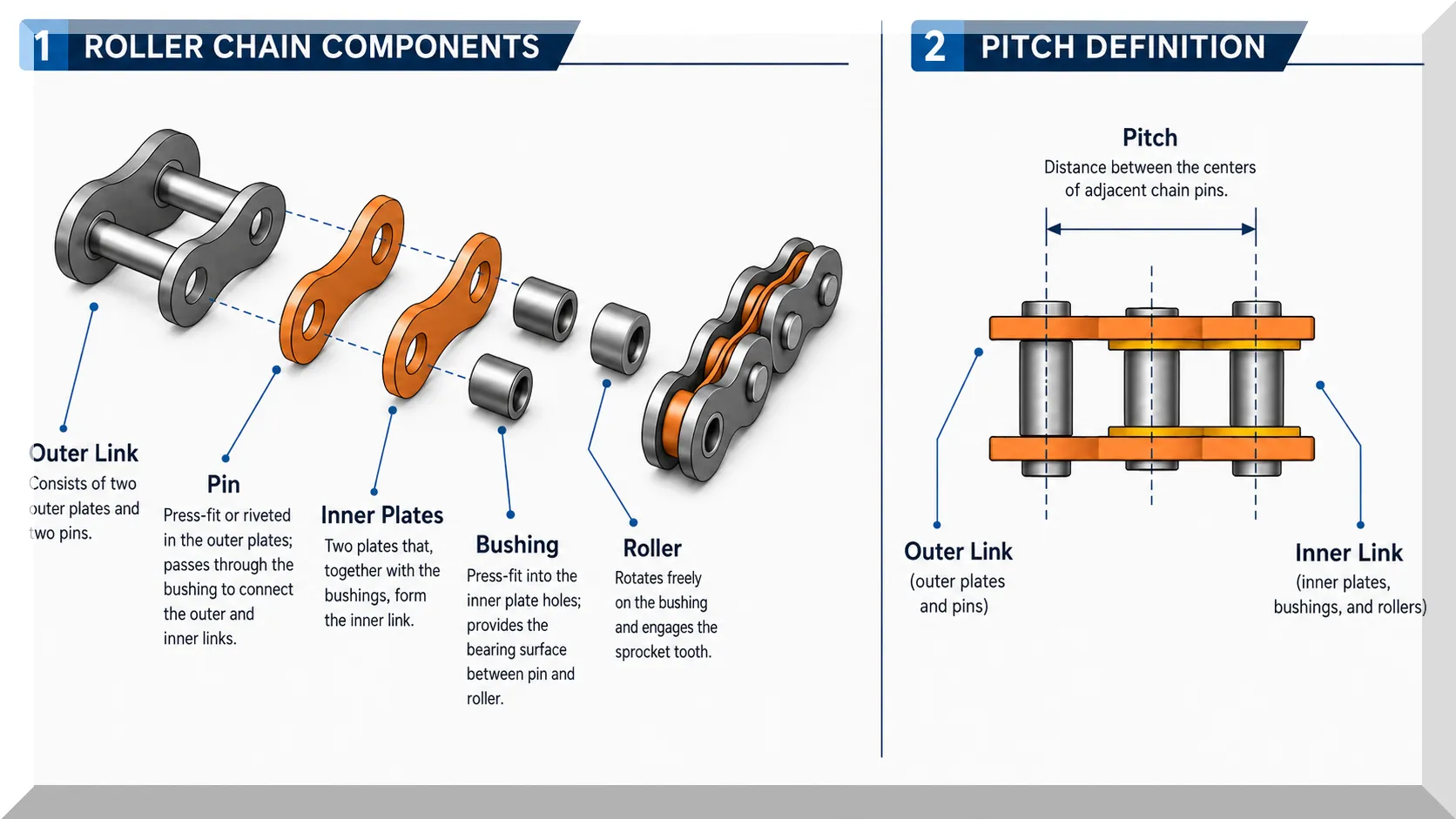
Kinematic Coupling: The Anatomy of a Sprocket
The most perfectly engineered flexible transmission is entirely useless if paired with degraded rotating hubs. Engineers must rigorously examine the anatomy of a sprocket prior to installation. A high-quality hub features a precisely hobbed involute tooth profile that allows the solid cold-extruded rollers to roll smoothly into the root cavity without abrasive sliding. If you mount a brand new precision assembly onto heavily worn, "hooked" sprocket teeth, the deformed gear geometry will forcefully grind away the hardened surface of the new rollers, effectively cutting the lifespan of the newly installed upgrade by over fifty percent.
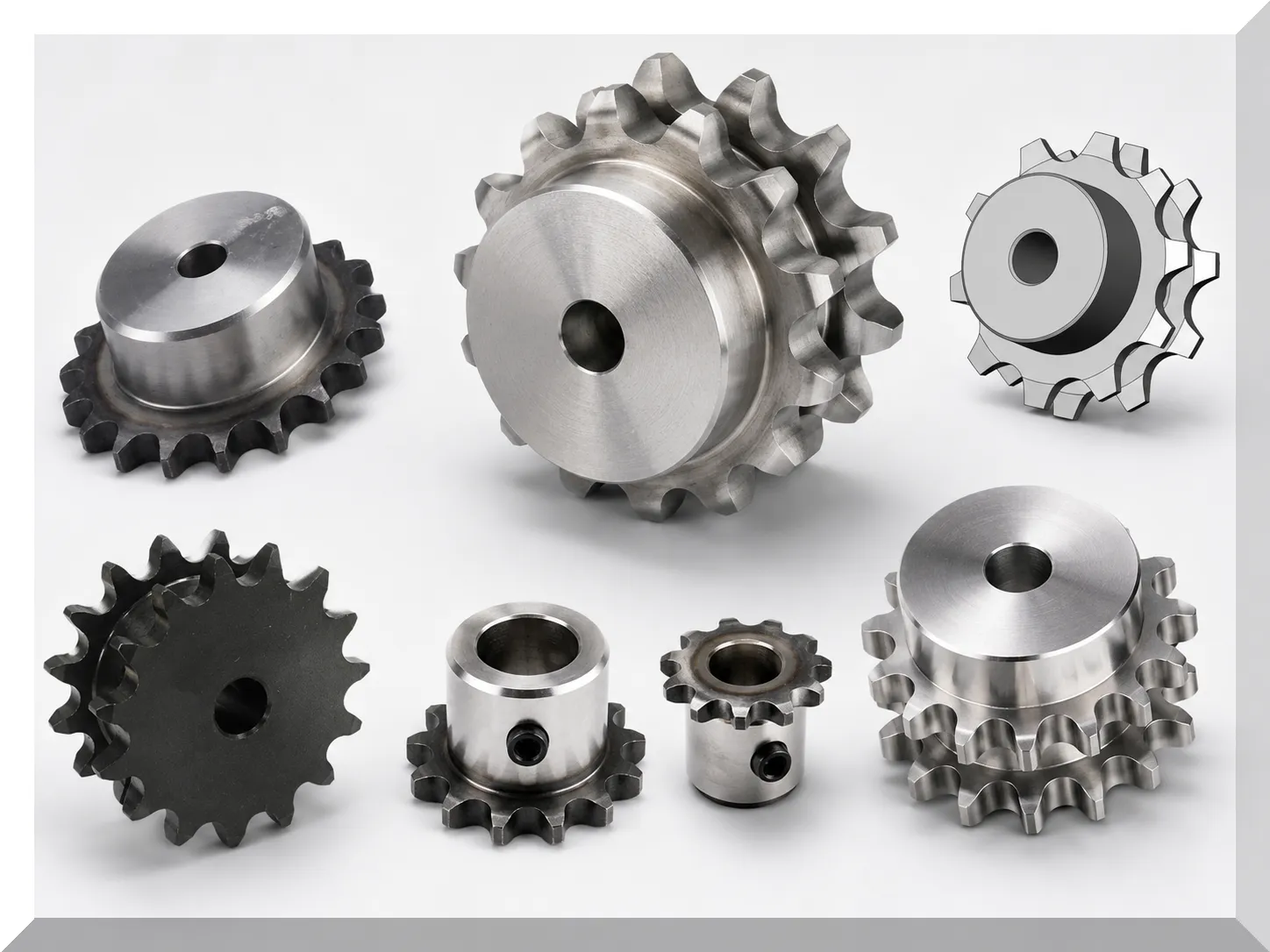
To ensure mechanical harmony, we supply precisely hobbed sprockets designed as exact kinetic pairs. Our hubs feature involute tooth geometries strictly calibrated for short-pitch engagement. Furthermore, we apply targeted high-frequency induction hardening exclusively to the tooth flanks. This achieves a Rockwell hardness of HRC 45-50 directly at the contact patch, dramatically resisting the abrasive friction of the high-speed rollers, while intentionally maintaining a ductile core to absorb unpredictable machine vibrations.
Global Industrial Application Scenarios
Due to the inherently reduced polygon effect associated with short pitch distances, these specific drivetrains are highly favored in sectors requiring absolutely smooth, continuous kinetic transfer at high RPMs.
Agricultural Harvesting Mechanisms
Modern combine harvesters and large-scale grain elevators subject their internal drivetrains to intensely dusty, abrasive field conditions while demanding highly synchronized timing. A precision short pitch roller chain equipped with specialized X-ring seals physically locks out the silica dust, ensuring the harvesting headers maintain exact mechanical timing throughout the short, highly critical seasonal harvest windows across rural Gyeonggi-do and Chungcheongbuk-do.
High-Speed Automated Packaging
Within the rapid fulfillment centers operating near Incheon, conveyor chain networks run almost continuously. Long pitch linkages induce severe vertical jitter (chordal action) at high speeds, blurring barcode scanners and toppling lightweight products. The precision A Series drastically minimizes this vertical chatter, creating a perfectly smooth material handling floor capable of sustaining extremely high lineal feet-per-minute transfer rates safely.
ISO Certified Manufacturing Infrastructure
Procuring transmission components extends far beyond merely matching physical dimensions; it requires an engineering partnership capable of delivering rigorous ISO-certified metallurgy on tight industrial deadlines. Korea Ever-Power Chain and Sprocket Co.,Ltd has supported the heavy Asian industrial base for over twenty years. By localizing our immense inventory of A Series components within South Korea, we entirely bypass international sea freight delays, routinely dispatching heavy multi-strand replacements to Busan or Ulsan overnight.
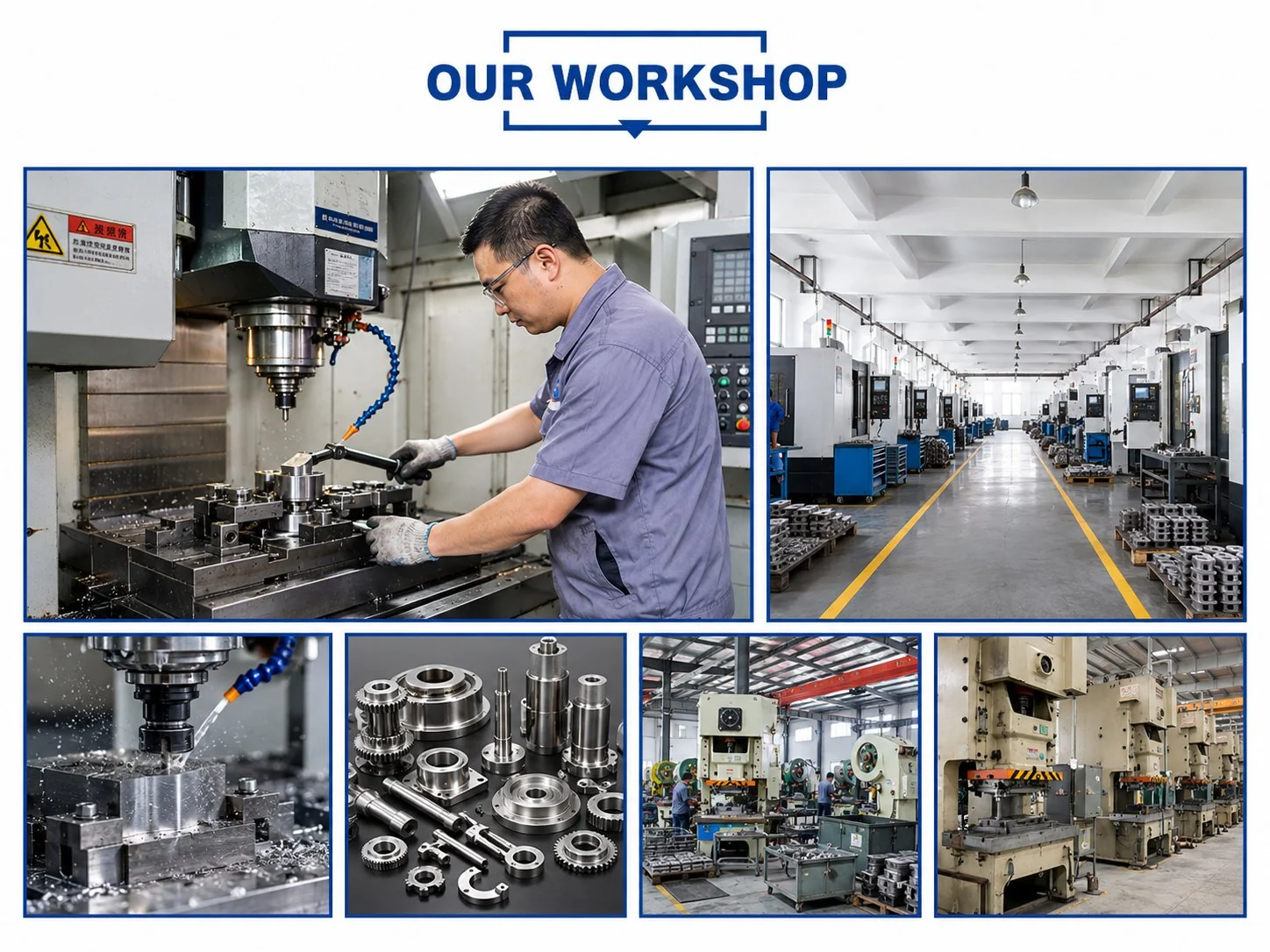
Our production lines integrate intelligent Epson multipurpose furnaces to guarantee completely uniform heat treatment, while advanced ABB robotic welding cells ensure specialized attachment plates never suffer from inconsistent penetration. Every batch undergoes strict destructive load testing to empirically verify that the tensile strength baseline is heavily exceeded before the parts are securely vacuum-sealed for dispatch.
Engineering Maintenance FAQ
Verified Operational Feedback
Theoretical metallurgical specifications are validated solely through extreme field endurance. The unedited feedback below originates from facility directors and machinery OEMs operating across South Korea and greater Asia.
"We upgraded the primary threshing drives to the 80A-1 precision series last season. The pre-loading from the factory meant we didn't waste half a day retensioning the drives during the first week of harvest. They handle the brutal rotational inertia of the heavy threshing drum flawlessly. Incredible fatigue resistance."
"Chordal action was severely vibrating our delicate electronic component trays on the high-speed sorting line. By switching to a shorter pitch duplex configuration (60A-2), the kinematic engagement smoothed out entirely. We dropped the ambient noise by 15% and increased line speed safely. The transverse alignment on the hubs is absolutely perfect."
"For the massive rotary kilns, we rely exclusively on the heavy 240A-4 quadruple strand arrays. The sheer tensile strength required to rotate those massive drums snaps generic parts instantly. This specific A Series holds its internal lubrication tightly, and the solid cold-extruded rollers don't shatter under the high-torque load."
"As a machine builder, I require strict dimensional consistency. The A Series ISO/ANSI tolerances are spot on. We inspect them with precision calipers, and the pin diameters and plate depths never deviate batch-to-batch. The shot-peened finish visually confirms the high-grade manufacturing process. It is a highly professional mechanical solution."
Additional information
| Editor | Cxm |
|---|
Related products
-
SH Series Roller Chains | High Strength Heavy Duty Short Pitch
-
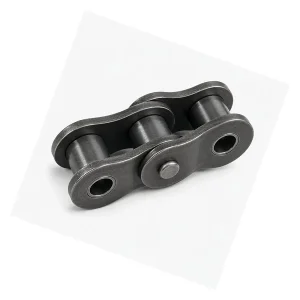
Motorcycle Drive Chain | 25 to 530H Series – Standard, Heavy & O-Ring
-
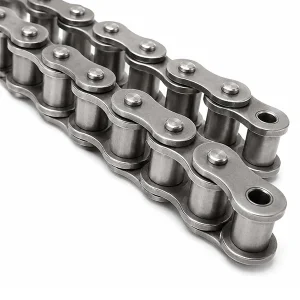
SP Series Roller Chain | Heavy Short Pitch
-
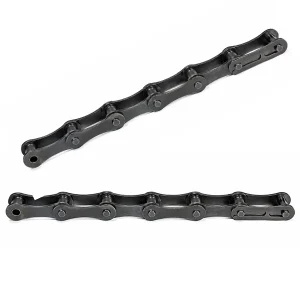
Double Pitch Transmission Chain (Series 208 through 232)
-
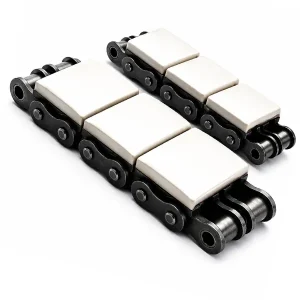
12A-G2 Rubber Top Roller Chain
-
B Series Short Pitch Precision Roller Chains
-
Heavy Duty Roller Drive Chain: The Kinetic Core of Commercial Machinery