Product Description
Detailed Photos
Product Description
| Item Name | Standrad transmission Roller Chains | Model | Series A, Series B |
| Row | Simplex Duplex Triplrex |
Application | Machinery Parts |
| Suiface Treament | netural/sand-blasted/shot-peening | Certification | ISO, ANSI, DIN, BS |
| Packing | Packaged in boxes and wooden cases, or packaged in reels and then on pallets | Port | Any sea port or airport in china |
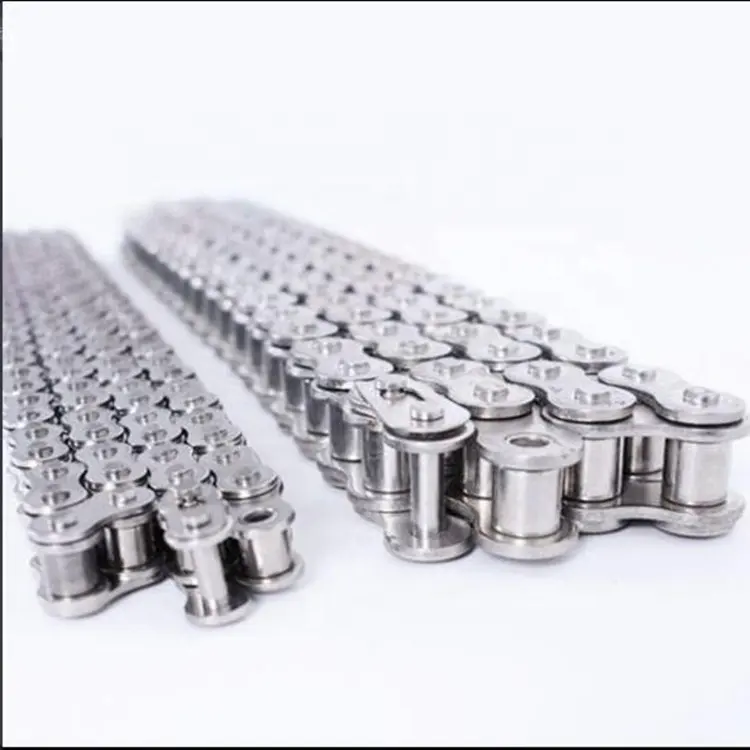
Standard roller chains are a type of industrial chain that is commonly used in power transmission
applications. They consist of a series of cylindrical rollers that are linked together by side plates.
The rollers rotate within the links, transmitting power from 1 sprocket to another.
Standard roller chains are available in a range of sizes and configurations to fit different industrial
applications. They are made from high-quality materials, such as carbon steel or stainless steel,
which are resistant to wear, corrosion, and fatigue.
These chains are designed to provide smooth and efficient power transmission, with minimal energy
loss. They have a high load-bearing capacity, making them suitable for use in heavy-duty machinery,
such as conveyors, elevators, and industrial equipment.
Standard roller chains are also easy to install and maintain, with simple lubrication requirements to
ensure long-lasting performance. Overall, they offer a reliable and cost-effective solution for power
transmission in a wide range of industrial applications.
Other Products
Company Profile
Packaging & Shipping
After Sales Service
/* January 22, 2571 19:08:37 */!function(){function s(e,r){var a,o={};try{e&&e.split(“,”).forEach(function(e,t){e&&(a=e.match(/(.*?):(.*)$/))&&1
| Standard or Nonstandard: | Standard |
|---|---|
| Application: | Textile Machinery, Garment Machinery, Conveyer Equipment, Packaging Machinery, Electric Cars, Motorcycle, Food Machinery, Mining Equipment, Agricultural Machinery |
| Surface Treatment: | Netural/Sand-Blasted/Shot-Peening |
| Material: | Carbon Steel |
| Type: | Short Pitch Chain |
| Surface: | Shot Peening, Black, Blue or Original |
| Samples: |
US$ 1.28/Meter
1 Meter(Min.Order) | |
|---|
| Customization: |
Available
| Customized Request |
|---|
Can transmission chains be used in printing or packaging machinery?
Yes, transmission chains can be used in printing and packaging machinery. Here’s a detailed answer to the question:
Printing and packaging machinery often require precise and reliable power transmission to drive various components such as conveyors, rollers, and printing plates. Transmission chains are well-suited for these applications due to their robustness, durability, and ability to handle high loads.
Benefits of using transmission chains in printing and packaging machinery include:
1. High Load Capacity: Transmission chains are capable of handling heavy loads, making them suitable for driving equipment such as printing cylinders, conveyor belts, and packaging rollers.
2. Precise Motion Control: Printing and packaging machinery often require precise motion control to achieve accurate printing, cutting, and folding processes. Transmission chains offer excellent positional accuracy, ensuring reliable and repeatable movement of components.
3. Reliability: Transmission chains are designed to withstand the demanding operating conditions typically encountered in printing and packaging machinery. They offer high resistance to wear, fatigue, and shock loads, providing reliable performance even in high-speed applications.
4. Versatility: Transmission chains are available in various sizes, pitches, and configurations, allowing for flexibility in adapting to different printing and packaging machine designs and requirements.
5. Easy Maintenance: Transmission chains are relatively easy to maintain. Regular lubrication and periodic inspections can help ensure optimal performance and prolong chain life.
When using transmission chains in printing and packaging machinery, it’s important to select the appropriate chain type, pitch, and material based on the specific application requirements. Regular maintenance, including lubrication and tension adjustment, should be performed to optimize chain performance and prevent premature wear or failure.
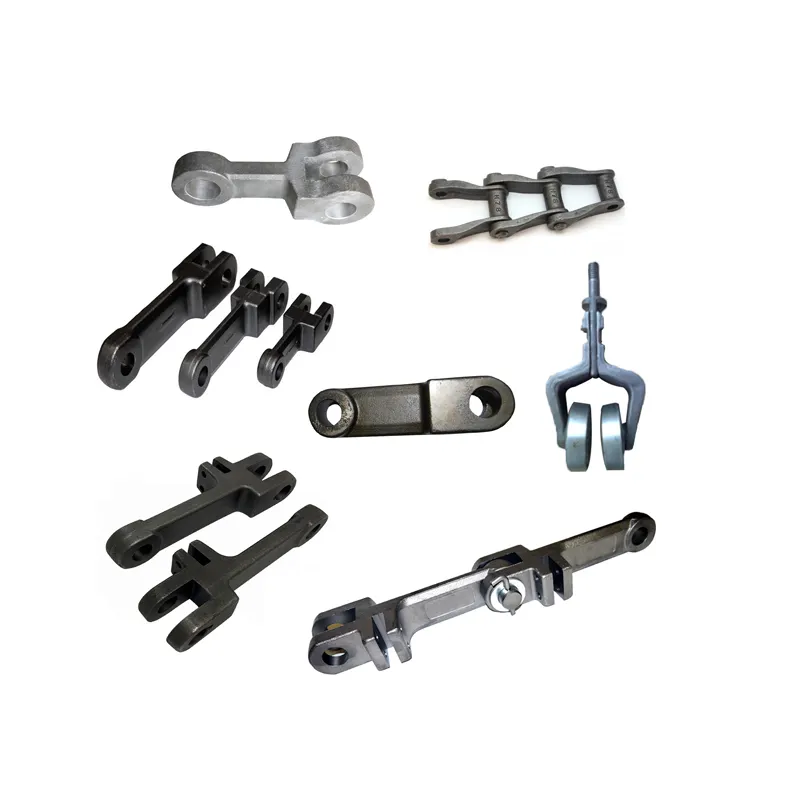
Can transmission chains be used in mining or heavy-duty industrial applications?
Transmission chains are commonly used in mining and heavy-duty industrial applications due to their durability and strength. Here’s a detailed answer to the question:
1. Robust Construction: Transmission chains designed for mining and heavy-duty industrial applications are built to withstand extreme conditions and heavy loads. They are constructed using high-quality materials and undergo rigorous testing to ensure they can handle the demanding environments and intense operating conditions.
2. High Load Capacity: Mining and heavy-duty industrial applications often involve transporting heavy loads or operating equipment under significant stress. Transmission chains used in these applications are engineered to have high load capacity, allowing them to reliably transmit power and handle the substantial forces encountered in such operations.
3. Resistance to Wear and Abrasion: Mining and heavy-duty industrial environments can be abrasive and cause rapid wear on components. Transmission chains used in these applications are designed with excellent wear resistance to withstand the abrasive nature of the materials being handled. They are often treated with specialized coatings or surface treatments to enhance their resistance to wear and extend their lifespan.
4. Corrosion Resistance: Mining operations and heavy-duty industrial settings may expose transmission chains to corrosive substances or environments. To combat corrosion, transmission chains used in these applications are often made from materials such as stainless steel or treated with anti-corrosion coatings. This ensures the chains can maintain their integrity and performance over time, even in harsh conditions.
5. Reliability and Durability: Mining and heavy-duty industrial applications require reliable and durable equipment to minimize downtime and maximize productivity. Transmission chains are known for their reliability and ability to operate in challenging conditions, making them well-suited for these demanding applications. Proper maintenance and regular inspections are necessary to ensure optimal performance and maximize the lifespan of the chains.
When selecting transmission chains for mining or heavy-duty industrial applications, it’s essential to consider factors such as load capacity, speed, environmental conditions, and compatibility with other equipment. Consulting with experts or manufacturers specializing in chains for these specific applications can help ensure the best chain selection for optimal performance and longevity.
How does the pitch size of a transmission chain affect its performance?
The pitch size of a transmission chain plays a crucial role in determining its performance and suitability for specific applications. The pitch size refers to the distance between adjacent chain links, typically measured from the center of one pin to the center of the next pin.
The pitch size of a transmission chain affects its performance in the following ways:
- Load Capacity: Chains with larger pitch sizes generally have higher load capacities. A larger pitch size allows for larger components, such as pins and rollers, which can withstand higher forces and transmit more power.
- Speed Capability: The pitch size also affects the chain’s speed capability. Chains with smaller pitch sizes are typically designed for higher speeds, as they offer smoother engagement with the sprockets and reduced inertia.
- Wear and Fatigue Resistance: Smaller pitch sizes distribute the load over more contact points, reducing the stress on individual components. This can improve wear resistance and increase the chain’s fatigue life.
- Compactness and Space Limitations: In applications where space is limited, smaller pitch chains are preferred as they allow for a more compact design.
It’s important to note that the selection of the appropriate pitch size depends on the specific application requirements, including the expected load, speed, and available space. Different pitch sizes are available to accommodate a wide range of applications, from light-duty to heavy-duty machinery.


editor by CX 2024-04-09