Product Description
Chian Agricultural Chains Roller Transmission Chains and Sprockets
Agricultural Chains includs following chain:
S type Steel Agricultural Chains:
S32 S32 S42 S45 S51 S52L S52LV S52 55V 55VF1 S55 S55R 5SSRH S55RHF1 S62 S62F5 S77 S88 CA642 CA650 CA650F2 S42F2 S52F10 S62F10 S62F8 CA650F4 CA620F4 55VF1H2 CA650F1
S type Steel Agricultural Chains with Attachments:
S32SK1 S42SK1 S45SK1 S52SK1 S55SK1 S77SK1 S88SK1 S32SK1F1 S55RHSK1 S52LK1 55VK1 S42F2K1F1 S52LF1K1 S32K1 S32K1F1 S42K1 S45K1 S51K1 S52K1F1 S55K1 S55K1F1 S55K1 S55K1F1 S55HK1 S62K1 S62A2K1 S62F2K1 S77K1 S88K1 S51HF1K1 S88F2K1 S42A1F2 S42F2A1 S88F3K1 S62F12K1 S62SD S51SDF1 S52SDF1 S52SDF2 S52SD S52F4 S52F9 S52LSD S52LF1SD S52LF2SD S52F12SD S52LVSD S45F1 S45SDF2 S45W-F1 S45W-F4 S45SD S55F2 S55F3 S55F4 S55F6 S55F7 S55RSDF1 55VSDF1 55VSDF2 55VSDF4 S55DF2 S5
5SDF4 S62SD S45V S45SDF1 S55V S55SDF1 S45SDF3 S55HSDF3 S55F12SD S52F11SD S52F3 C45F1SD etc.
A Type Steel Agricultural Cahins:
A550 A555 A557 A620
CA Type Steel Agricultural Chains
CA627 CA550D CA555D CA557D CA620D CA2062H CA550 CA550V CA555 CA557 CA620 CA2060H CA550F4 CA550F5 CAE44151 38.4R 38.4V 38.4VB 55VD S62F3 CA960 CA550VF2 CA550H
C Type Steel Agricultural Chain attachments
38.4VK1 38.4RK1F1 38.4VF3K1 38.4RK1F2 CA550F2 CA550K1F1 CA550VK1F CA550VK1F1 CA550F4K19 CA550AK29M CA550K1F7 CA550A29 CA550VF2K1 CA550F5AK29M CA550F5K29F1 CA550F5K1 CA557K1F2 38.4RK1F3 38.4RK1F3 38.4RK1F7 38.4VK1F9 38.4VK1F6 38.4VK1F7 38.4RK1F8 38.4RK1F8 38.4RK1F9 38.4RK1F10 38.4VF3K1F2 CA550K1F15 etc.
| Product name | Chain(DIN766) Agricultural Chains |
| Materials Available | 1. Stainless Steel: SS201, SS303, SS304, SS316, SS416, SS420 |
| 2. Steel:C45(K1045), C46(K1046),C20 | |
| 3. Brass:C36000 ( C26800), C37700 ( HPb59), C38500( HPb58), C27200(CuZn37), C28000(CuZn40) | |
| 4. Bronze: C51000, C52100, C54400, etc | |
| 5. Iron: 1213, 12L14,1215 | |
| 6. Aluminum: Al6061, Al6063 | |
| 7.OEM according to your request | |
| Surface Treatment | Annealing, natural anodization, heat treatment, polishing, nickel plating, chrome plating, znic plating,yellow passivation, gold passivation, satin, Black surface painted etc. |
| Products Available | sprockt chains, pulley, shafts(axles, spline shafts, dart shafts),gears (pinions, wheels gear rack) bearing, bearing seat, bushing, coupling, lock assembly etc. |
| Processing Method | CNC machining, punch,turning, milling, drilling, grinding, broaching, welding and assembly |
| QC : | Technicians self-check in production,final-check before package by professional Quality inspector |
| Size | Drawings |
| Package | Wooden Case/Container and pallet, or as per customized specifications |
| Certificate | ISO9001:2008 , ISO14001:2001,ISO/TS 16949:2009 |
| Advantage | Quality first Service superior , Advanced equipment,Experienced workers,Perfect testing equipment |
| Lead Time | 15-25days samples. 30-45days offcial order |
1.What terms of payment you usually use?
T/T 30% deposit and 70% against document, Western Union, L/C at sight
2. what is your lead time for your goods?
Normally 45 days after confirmed order. 30 days could be available in low season for some items (during May to July), and 65 days during new year and hot season ( Jan to March).
3. Do you attend any Show?
We attend Hannover show in Germany, NMW in Austrilia, Canton fair, PTC, in China and many other special furniture shows.
/* January 22, 2571 19:08:37 */!function(){function s(e,r){var a,o={};try{e&&e.split(“,”).forEach(function(e,t){e&&(a=e.match(/(.*?):(.*)$/))&&1
| Usage: | Transmission Chain |
|---|---|
| Material: | Alloy/Carbon Steel |
| Surface Treatment: | Custom Made |
| Feature: | Heat Resistant |
| Chain Size: | Custom Made |
| Structure: | Custom Made |
| Customization: |
Available
| Customized Request |
|---|

Factors Affecting the Efficiency of a wheel sprocket Setup
Several factors can influence the efficiency of a wheel sprocket system in power transmission and motion control applications. These factors should be carefully considered and optimized to ensure the system’s overall effectiveness and performance:
- 1. Friction: Friction between the wheel, sprocket, and the chain or belt can lead to energy losses. Using high-quality materials and lubrication can help reduce friction and improve efficiency.
- 2. Alignment: Proper alignment between the wheel and the sprocket is critical. Misalignment can cause increased wear, noise, and reduced efficiency. Regular maintenance and alignment checks are essential.
- 3. Tension: The correct tension in the chain or belt is crucial for efficient power transmission. Too loose or too tight tension can lead to performance issues and premature wear.
- 4. Material and Design: The choice of materials for the wheel sprocket, as well as their design, can impact efficiency. High-quality materials and well-engineered components reduce wear and improve overall system performance.
- 5. Load Distribution: Uneven load distribution across the wheel sprocket can lead to localized wear and decreased efficiency. Ensuring proper load distribution helps maintain uniform wear and power transmission.
- 6. Environmental Factors: Harsh environmental conditions, such as dust, moisture, and extreme temperatures, can affect the efficiency of the system. Choosing suitable materials and implementing protective measures can mitigate these effects.
- 7. Maintenance: Regular maintenance, including lubrication, inspection, and timely replacement of worn components, is vital for the long-term efficiency of the system.
- 8. Speed and Torque: The operating speed and torque requirements of the application should be considered when selecting the appropriate wheel sprocket size and specifications.
- 9. Chain or Belt Type: Different types of chains or belts, such as roller chains, silent chains, or toothed belts, have varying efficiencies. Choosing the right type for the specific application is crucial.
- 10. System Integration: The wheel sprocket system should be integrated correctly with other components in the machinery to ensure smooth operation and minimal energy losses.
By carefully considering and optimizing these factors, it is possible to improve the efficiency of the wheel sprocket system, leading to reduced energy consumption, less wear and tear, and overall better performance.
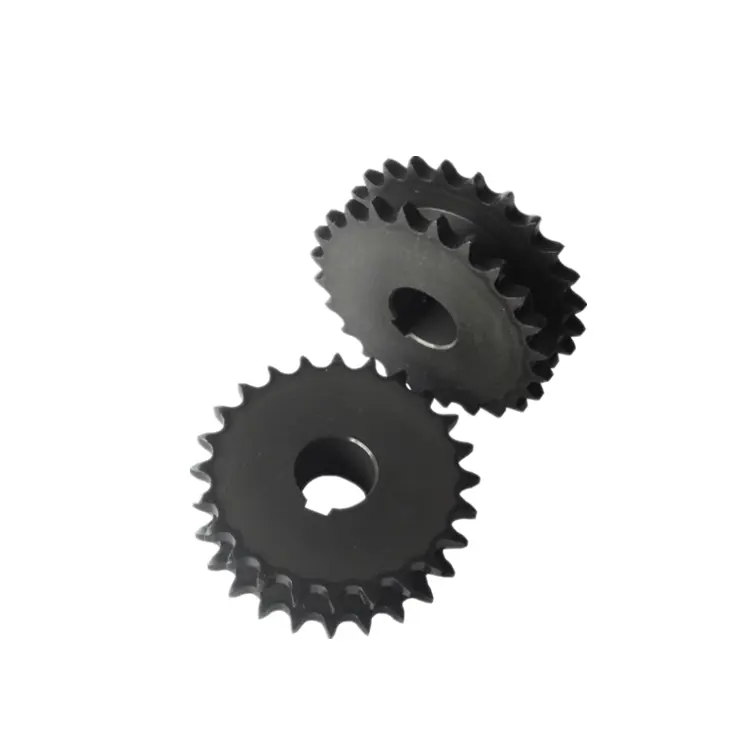
Vertical Power Transmission with wheel sprocket System
Yes, a wheel sprocket system can be used for vertical power transmission. In such cases, the system is designed to transmit power and motion between vertically aligned shafts. Vertical power transmission using a wheel sprocket assembly follows similar principles to horizontal transmission, but there are some factors to consider:
- Load and Torque: When transmitting power vertically, the weight of the load can significantly impact the torque requirements. The torque must be sufficient to lift the load against gravity while accounting for friction and other resistive forces.
- Sprocket Selection: Choosing the right sprocket is critical for vertical transmission. The sprocket teeth must be designed to engage the chain or belt effectively and prevent slipping, especially when lifting heavy loads.
- Lubrication: Proper lubrication is essential to reduce friction and wear in the system. Vertical applications may require specific lubricants to ensure smooth operation and prevent premature failure.
- Tensioning: Maintaining the correct tension in the chain or belt is crucial for vertical power transmission. Proper tension helps prevent sagging and ensures proper engagement between the wheel sprocket.
- Overhung Load: In vertical setups, the weight of the sprocket and shaft assembly can impose an overhung load on the bearings. Adequate support and bearing selection are necessary to handle this load.
Vertical power transmission with a wheel sprocket system is commonly used in various applications, including conveyor systems, elevators, and some industrial machinery. Proper design, installation, and maintenance are essential to ensure safe and efficient operation in vertical configurations.
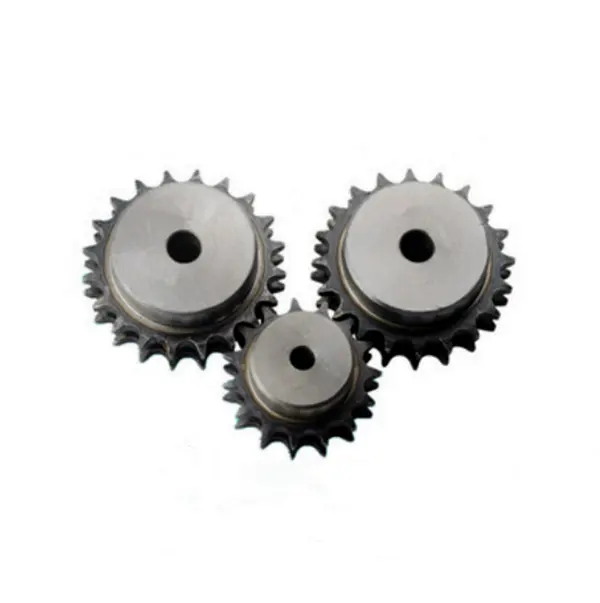
Working Principle of a wheel sprocket System
In a wheel sprocket system, the sprocket is a toothed wheel that meshes with a chain or a belt to transmit rotational motion and power from one component to another. The working principle can be explained in the following steps:
1. Power Input:
The system begins with a power input source, such as an electric motor or an engine, that generates rotational motion or torque.
2. Sprocket and Chain/Belt:
The power is transferred to the sprocket, which is mounted on a shaft. The sprocket has teeth that fit into the gaps of the chain or engage with the teeth of the belt.
3. Chain/Belt Movement:
As the sprocket rotates, it pulls the chain or belt along with it due to the engagement between the teeth. This movement is transmitted to the connected component, which could be another sprocket, a wheel, or any other part of the machinery.
4. Power Output:
The rotational motion or power is then delivered to the connected component, which performs a specific function depending on the application. For example, the power could be used to drive a conveyor belt, rotate the wheels of a vehicle, or operate various industrial machines.
5. Speed and Torque:
The size of the sprocket and the number of teeth, along with the size of the chain or belt, determine the speed and torque ratio between the input and output components. Changing the size of the sprocket or using different-sized sprockets in the system can alter the speed and torque characteristics of the machinery.
6. Efficiency and Maintenance:
Efficient power transmission relies on proper alignment and tension of the chain or belt with the sprocket. Regular maintenance, such as lubrication and inspection, is essential to ensure smooth operation and prevent premature wear or damage to the system.
The wheel sprocket system is widely used in various applications, including bicycles, motorcycles, industrial machinery, agricultural equipment, and more, where efficient power transmission and motion control are required.


editor by Dream 2024-05-14