Product Description
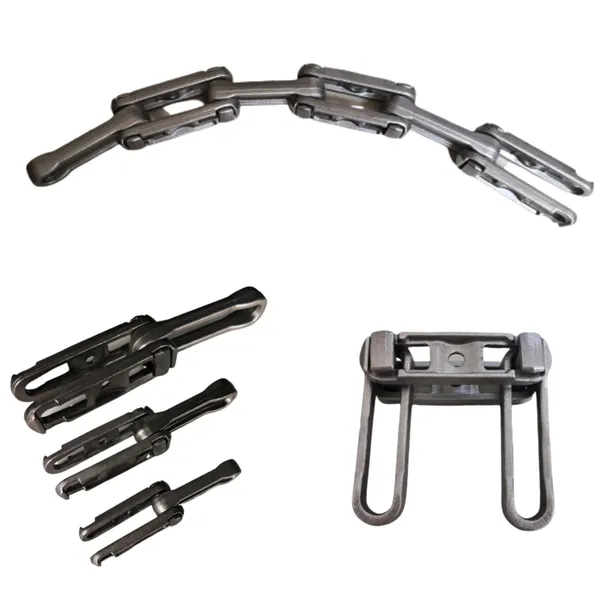
| Item | Drop Forged Chain with Scraper | Application | Machinery Parts |
| Surface Teatment | Drop Forged | Brand | OEM |
| Package | Poly bag, then box, finally poly-wooden case | Port | Any sea port or airport in China |
/* January 22, 2571 19:08:37 */!function(){function s(e,r){var a,o={};try{e&&e.split(“,”).forEach(function(e,t){e&&(a=e.match(/(.*?):(.*)$/))&&1
| Material: | Iron |
|---|---|
| Structure: | Drop Forged Chain |
| Surface Treatment: | Polishing |
| Chain Size: | P142 |
| Feature: | Fire Resistant, Oil Resistant, Heat Resistant |
| Transport Package: | Poly-Wooden Case |
| Customization: |
Available
| Customized Request |
|---|
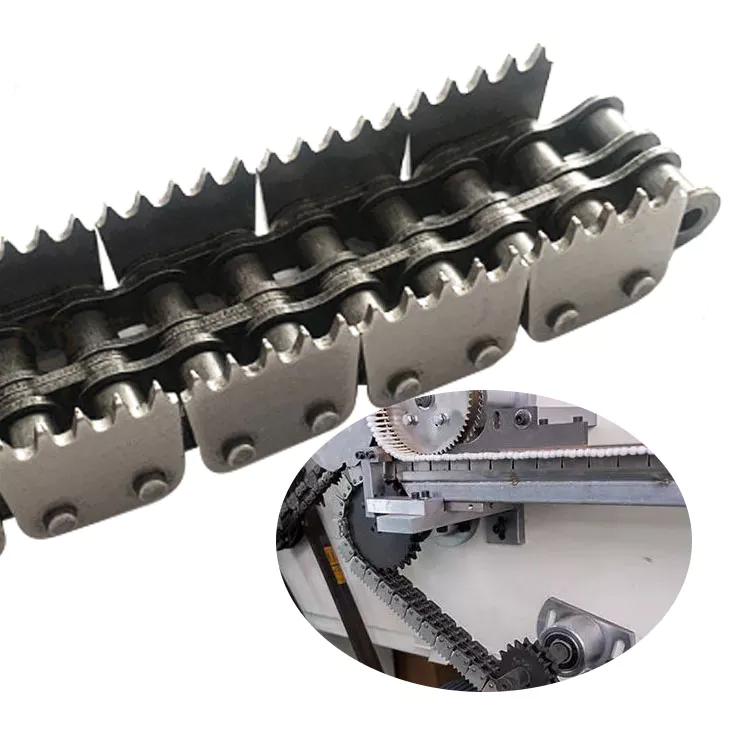
What are the benefits of using a silent conveyor chain?
A silent conveyor chain, also known as a noise-reducing conveyor chain, offers several advantages in conveyor system applications:
1. Noise Reduction:
– One of the primary benefits of using a silent conveyor chain is the significant reduction in noise levels. These chains are specifically designed to minimize the noise generated during operation, creating a quieter and more comfortable working environment.
2. Improved Work Environment:
– By reducing noise levels, a silent conveyor chain contributes to a better work environment, particularly in settings where noise reduction is important, such as manufacturing facilities, warehouses, and distribution centers. It helps reduce employee fatigue, enhances communication, and improves overall worker satisfaction.
3. Compliance with Noise Regulations:
– In some industries or regions, there are specific noise regulations that must be met. Using a silent conveyor chain helps ensure compliance with these regulations, avoiding potential penalties and legal issues.
4. Increased Productivity:
– A quieter working environment created by a silent conveyor chain can lead to increased productivity. With reduced noise distractions, employees can focus better on their tasks, resulting in improved efficiency and output.
5. Extended Chain and Equipment Life:
– Silent conveyor chains are often designed with advanced materials and technologies that offer enhanced wear resistance and durability. They can withstand heavy loads, reduce friction, and minimize wear and tear on both the chain and the associated equipment, resulting in longer service life and reduced maintenance costs.
6. Versatility:
– Silent conveyor chains are available in various configurations and designs, making them compatible with a wide range of conveyor systems and applications. They can be used in different industries, including automotive, food processing, packaging, and more.
When considering a silent conveyor chain, it is important to consult with a reputable chain manufacturer or supplier to ensure the chain meets the specific requirements of the application.
How does lubrication affect the performance of a conveyor chain?
Lubrication plays a crucial role in the performance and longevity of a conveyor chain. Proper lubrication helps to reduce friction, wear, and heat generation, ensuring smooth operation and minimizing the risk of premature failure. Here’s how lubrication affects the performance of a conveyor chain:
1. Friction Reduction: Lubrication forms a thin film between the chain components, reducing friction between metal surfaces. This reduces the energy required for operation, minimizes heat generation, and prevents excessive wear and tear.
2. Wear Prevention: Lubrication forms a protective layer on the chain components, preventing direct metal-to-metal contact. This helps to reduce wear and extend the service life of the chain.
3. Corrosion Protection: Lubricants often contain anti-corrosion additives that protect the chain from rust and oxidation. This is particularly important in environments with high humidity or exposure to corrosive substances.
4. Noise Reduction: Proper lubrication reduces the noise generated during chain operation by minimizing friction and metal-to-metal contact. This can contribute to a quieter and more comfortable working environment.
5. Temperature Control: Lubrication helps to dissipate heat generated during chain operation, preventing excessive temperature rise. This is crucial in high-speed or heavy-duty applications where heat can lead to accelerated wear and reduced chain performance.
6. Maintenance and Service Life: Regular lubrication and proper lubricant selection are essential for maintaining the chain’s performance and extending its service life. Adequate lubrication reduces the need for frequent maintenance, minimizes downtime, and lowers overall operating costs.
It’s important to follow the manufacturer’s recommendations for lubrication frequency and use the appropriate lubricant for the conveyor chain. Regular inspections and maintenance checks should also be conducted to ensure proper lubrication levels and address any issues promptly. Proper lubrication practices will enhance the performance, reliability, and durability of the conveyor chain system.

What factors should be considered when designing a conveyor chain system?
When designing a conveyor chain system, several factors need to be considered to ensure optimal performance and functionality. These factors include:
- Load Capacity: The load capacity of the conveyor chain system is a critical consideration. It involves determining the maximum weight and size of the materials or products to be conveyed. This information helps in selecting the appropriate chain type, size, and strength to handle the expected load.
- Speed and Throughput: The desired speed at which the conveyor system needs to operate and the expected throughput of materials are important factors. They influence the selection of chain pitch, sprocket size, and motor power to achieve the desired conveyor speed and material handling capacity.
- Environmental Conditions: The operating environment plays a crucial role in the design of a conveyor chain system. Factors such as temperature, humidity, dust, corrosive substances, and presence of water or chemicals impact the selection of materials for the chain, sprockets, and other components to ensure durability and resistance to wear and corrosion.
- Conveyor Layout and Configuration: The layout and configuration of the conveyor system are key considerations. Factors such as available space, conveyor path, incline or decline angles, and any required curves or turns affect the selection of chain type, sprocket arrangement, and overall system design.
- Maintenance and Accessibility: Easy access for maintenance and servicing is crucial for the longevity and efficient operation of the conveyor chain system. Considering factors such as lubrication points, chain tension adjustment mechanisms, and overall accessibility for inspections and repairs ensures smooth operation and minimizes downtime.
- Noise and Vibration: The level of noise and vibration generated by the conveyor chain system can impact the working environment. Design considerations such as selecting chain types with low noise characteristics, implementing proper lubrication, and using vibration-damping components help minimize noise and vibration levels.
- Safety: Safety is of paramount importance in conveyor chain system design. Factors such as guarding, emergency stop systems, proper alignment, and anti-slip measures need to be incorporated to ensure the safety of operators and prevent accidents or injuries.
Considering these factors during the design stage helps in selecting the appropriate conveyor chain type, size, and configuration to meet the specific requirements of the application, ensuring smooth and efficient material handling operations.


editor by CX 2024-04-23