제품 설명
| 1)Type | 롤러 체인 |
| 2)Materials | Grade A steel |
| 3)Chain No. | 428 |
| 4)Warranty | 30000 KMs |
| 5)Process | Sand blasting, heat treatment, High speed impact, Four sides riveting, Pre-stretching and running, Lubricate with grease. |
| 6)MOQ | 500Pcs |
| 7)Supply Ability | 100000 Meter/Meters per year |
| 8)Tensile Strength/Hardness | standard or above |
| 9)Delivery Time | within 30 days after receiving your 30% deposits |
| 10)Payment Terms | 30%deposit and balanced by L/C,T/T |
| 11)Packing | chains packing in polybag and color box, also can packing as your requirement |
저희 서비스
사전 판매:
1. OEM 및 ODM 서비스
2. 문의사항은 모두 24시간 이내에 답변드리겠습니다.
3. 제품에 대한 모든 정보가 제공됩니다.
4. 필요하시면 무료 샘플을 보내드립니다.
5. Any other reasonable requirements as per requested
제작 과정에서 다음과 같은 서비스를 제공합니다:
1. 생산 일정
2. 양산품 사진을 제공해 드리겠습니다.
3. Any other reasonable requirements as per requested
생산 완료:
1. 택배 추적 번호
2. 필요한 서류
3. 판매 영역, 디자인 아이디어 및 모든 개인 정보 보호.
자주 묻는 질문(FAQ):
Q1: 완제품을 검사하시나요?
A: 네, 생산의 각 단계와 완제품은 출하 전에 QC팀의 검사를 거칩니다.
Q2: 제품 보증 기간은 어떻게 되나요?
A: 일반적으로 제품 출고일로부터 1년간 보증해 드리지만, 제품에 따라 다를 수 있습니다.
Q3: 귀사는 제조업체입니까, 아니면 무역 회사입니까?
A: 네, 저희 둘 다 그렇습니다. 저희는 거의 20년 동안 오토바이 부품 사업을 해왔습니다.
질문 4: 공장 방문 방법은 무엇인가요?
A: 메시지를 남겨주시면 무료로 차량으로 모시러 가겠습니다.
Q5: 체인에 원하는 로고를 새길 수 있나요?
A: 네, 금형을 이용해 맞춤 로고 제작이 가능합니다. 단, 제작 허가서가 필요합니다.
/* 2571년 1월 22일 19:08:37 */!function(){function s(e,r){var a,o={};try{e&&e.split(“,”).forEach(function(e,t){e&&(a=e.match(/(.*?):(.*)$/))&&1
| 유형: | 체인 |
|---|---|
| 재료: | 강철 |
| 인증: | ISO9001:2001 |
| Number of Row: | Single Row |
| 표면 처리: | Sand Blasting, Oiling |
| 운송 포장: | Polybag + Color Box + Carton |
| 샘플: |
US$ 0/개
1개 (최소 주문 수량) | |
|---|
| 맞춤 설정: |
사용 가능
| 맞춤형 요청 |
|---|
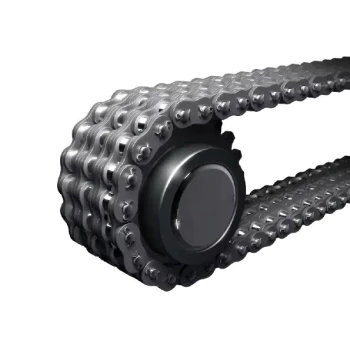
How does the material hardness of a drive chain affect its durability?
The material hardness of a drive chain plays a significant role in determining its durability and resistance to wear. Here is a detailed explanation:
Material hardness refers to the ability of a material to resist indentation, abrasion, and penetration by external forces. In the context of drive chains, the hardness of the chain’s components, such as pins, bushings, and rollers, directly affects the chain’s durability and lifespan.
When it comes to drive chain durability, the following factors come into play:
- Resistance to Wear: A higher material hardness typically results in better resistance to wear. Drive chains with harder materials can withstand the friction and contact forces encountered during operation, minimizing the wear on critical components. This translates to extended chain life and reduced maintenance requirements.
- Impact Resistance: The material hardness of a drive chain also affects its ability to resist impact forces. Chains operating in environments with frequent impacts or shock loads, such as in mining or heavy-duty applications, require high hardness materials to withstand the sudden stresses without deformation or failure.
- Resistance to Deformation: Harder materials exhibit greater resistance to deformation under load. This is particularly important in drive chains where precise interlocking of chain components is necessary for efficient power transmission. Chains with higher material hardness maintain their shape and dimensional integrity, ensuring consistent performance and minimizing the risk of chain elongation or misalignment.
- 내식성: While material hardness primarily affects wear resistance, it can indirectly impact the chain’s resistance to corrosion. Certain high-hardness materials, such as stainless steel or specific alloys, offer improved corrosion resistance compared to softer materials. This is especially relevant in applications where the chain is exposed to corrosive environments, such as marine or chemical industries.
It is important to note that while higher hardness generally leads to improved durability, excessive hardness can also result in brittleness and reduced impact resistance. Therefore, a balance must be struck between hardness and other mechanical properties to ensure optimal performance and durability of the drive chain.
Manufacturers typically specify the appropriate hardness level for drive chain components based on the specific application requirements. These specifications take into account factors such as load capacity, operating conditions, anticipated wear rates, and desired service life.
Regular maintenance practices, such as proper lubrication, periodic inspection, and tension adjustment, are essential for maximizing the durability and performance of the drive chain, regardless of its material hardness.
By selecting a drive chain with the appropriate material hardness and implementing proper maintenance practices, operators can ensure optimal durability, extended chain life, and reliable power transmission in various industrial applications.
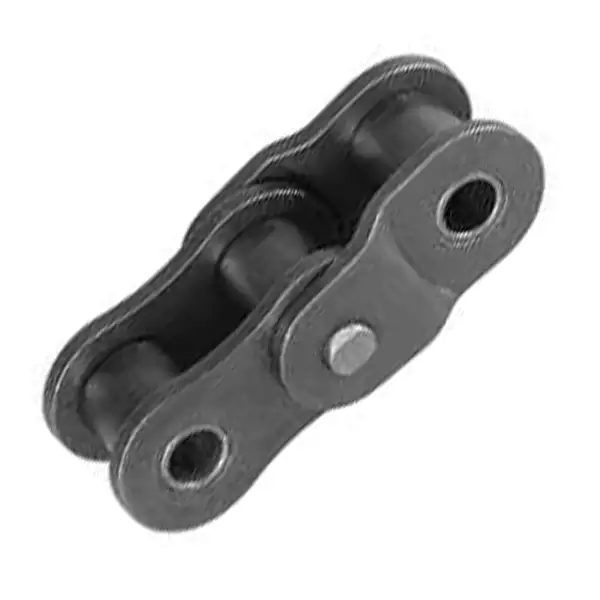
Can a drive chain be used in an escalator or elevator system?
Yes, a drive chain can be used in certain types of escalator or elevator systems as a method of power transmission. Here is a detailed explanation:
In escalator and elevator systems, the purpose of the drive chain is to transmit power from the motor to the moving steps or elevator car. While other power transmission methods, such as belts or gears, are commonly used in modern escalators and elevators, drive chains can still be found in certain applications:
- Escalator Systems: In older or traditional escalator systems, drive chains are commonly used to transmit power from the main drive motor to the step chains. The step chains engage with the steps, causing them to move in a continuous loop. The drive chain ensures synchronized movement and reliable power transmission.
- Elevator Systems: In some elevator systems, particularly older hydraulic or traction types, drive chains can be used as part of the power transmission mechanism. These chains transmit power from the motor to the elevator car or counterweight, enabling vertical movement.
It is important to note that the design and configuration of escalators and elevators can vary depending on factors such as capacity, speed, height, and building regulations. Modern escalators and elevators often employ more advanced and efficient power transmission methods, such as belts or gears, which offer advantages in terms of noise, efficiency, and maintenance. However, in certain cases, drive chains may still be used, especially in older systems or specific applications.
It is essential to consult with escalator or elevator manufacturers, experts, or maintenance technicians to determine the appropriate power transmission method for a particular escalator or elevator system. They can provide guidance on chain selection, maintenance requirements, and compliance with safety standards to ensure optimal performance and reliability.
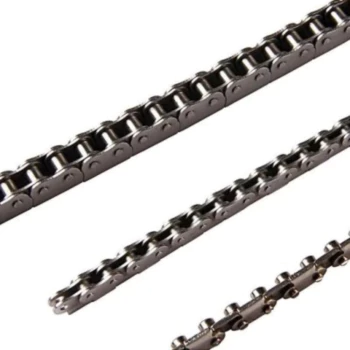
What are the different types of drive chains?
Drive chains come in various types, each designed for specific applications and operating conditions. Here are some common types of drive chains:
- Roller Chains: Roller chains are the most common type of drive chain. They consist of cylindrical rollers that are held together by inner and outer plates. Roller chains are widely used in motorcycles, bicycles, industrial machinery, and automotive systems.
- Double Pitch Chains: Double pitch chains have longer pitches, meaning the distance between each roller is greater compared to standard roller chains. They are often used in applications that require slower speeds and lighter loads.
- Leaf Chains: Leaf chains consist of interleaved metal plates connected by pins. They are known for their high tensile strength and are commonly used in forklifts, hoists, and other heavy-duty lifting equipment.
- Silent Chains: Silent chains, also known as inverted-tooth chains, have tooth-shaped plates that engage with sprockets. They are called “silent” chains because they operate with reduced noise and vibration compared to roller chains. Silent chains are used in timing drives and applications that require high-speed and high-torque transmission.
- Engineered Chains: Engineered chains are designed for specific industries or applications that require specialized properties, such as corrosion resistance, high temperature tolerance, or self-lubrication. Examples include drive chains, plastic chains, and self-lubricating chains.
Each type of drive chain has its own advantages and considerations, and the choice depends on factors such as the application requirements, load capacity, speed, environmental conditions, and maintenance needs.


CX 편집, 2024년 3월 19일