Product Description
Products Collection
Product Description
QLZ Chains feature symmetrically toothed link plates on both sides, enabling equal performance and precision during bilateral use. This design makes it an ideal solution for applications with changes in the direction of rotation or for multi-shaft drives. Their flexibility ensures they can easily handle these situations, providing reliable and consistent performance.
When you need a specific design, we can provide customised solutions based on what you need. Whether you require specific features, plans, materials, or specifications, our team can work to ensure you get a chain that fully meets your needs.
Are you looking for other chains?
Leave your message below, and feel free to contact us!
FAQ
| Question 1: Are you a Manufacturer or a Trading Company? |
| Answer: We are a 100% chain manufacturer with 23 years of experience |
| Question 2: What should I provide to get a quotation? |
| Answer: 1. Type of the chain (with photos if available) 2. Pitch of the chain 3. Width of the chain 4. Length and quantity of the chain 5. Other specific requirements |
| Question 3: How long is your manufacturing and delivery time? |
| Answer: Products are usually finished in 2 weeks, depending on the type and quantity. Also, please get in touch with us to check the delivery time to your destination. |
| Question 4: How long is your guaranteed time? |
| Answer: We offer a three-year guarantee if you purchase chains and matched sprockets together. If you need chains only, a one-year guarantee can also be confirmed. |
| Question 5: Trade terms and Payment terms? |
| Answer: We accept EXW, FOB, DDU, Door to Door. Payment terms, such as T/T, L/C, and Western Union, are acceptable. We also provide the service of Online Trading in this B2B platform. |
Company Profile
| Standard or Nonstandard: | Standard |
|---|---|
| Application: | Textile Machinery, Garment Machinery, Conveyer Equipment, Packaging Machinery, Food Machinery, Marine, Mining Equipment, Agricultural Machinery |
| Structure: | Tooth Chain |
| Samples: |
US$ 100/Meter
1 Meter(Min.Order) | Order Sample |
|---|
| Customization: |
Available
| Customized Request |
|---|
.shipping-cost-tm .tm-status-off{background: none;padding:0;color: #1470cc}
|
Shipping Cost:
Estimated freight per unit. |
about shipping cost and estimated delivery time. |
|---|
| Payment Method: |
|
|---|---|
|
Initial Payment Full Payment |
| Currency: | US$ |
|---|
| Return&refunds: | You can apply for a refund up to 30 days after receipt of the products. |
|---|
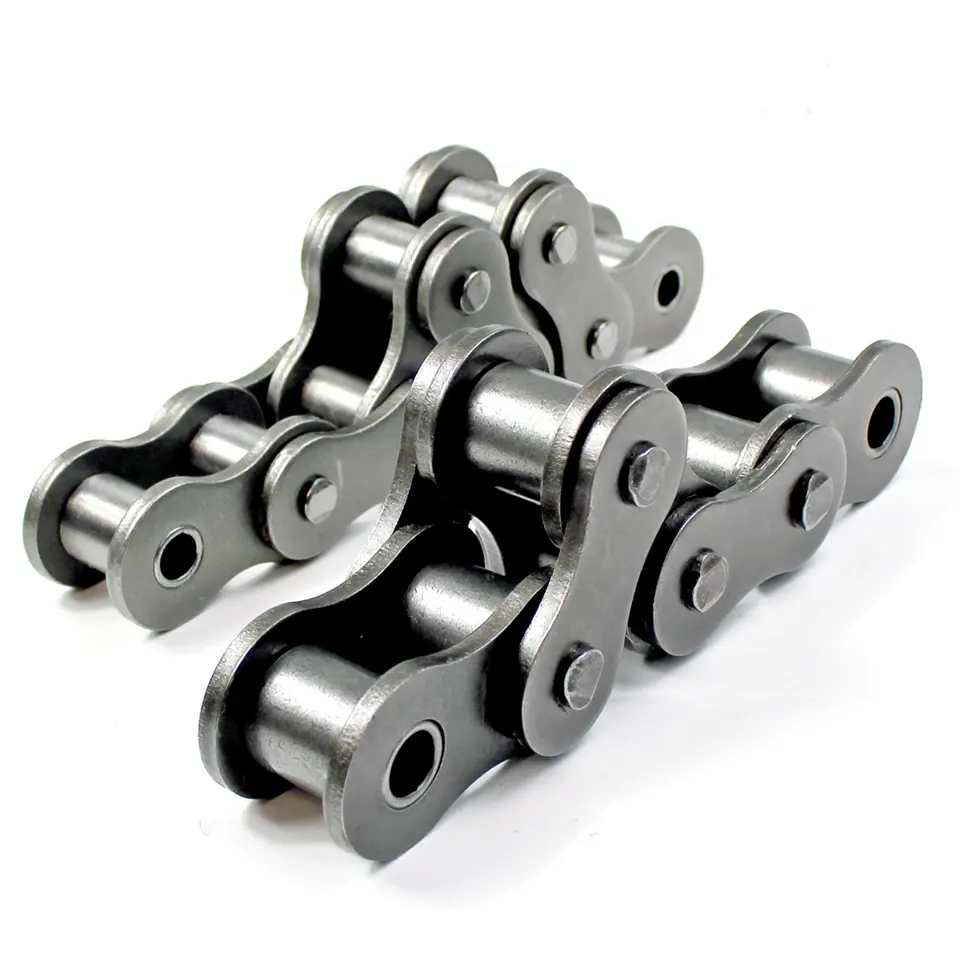
How does the weight of a transmission chain impact its installation and operation?
The weight of a transmission chain plays a significant role in its installation and operation. Here’s a detailed answer to the question:
1. Installation Process: The weight of a transmission chain can affect the ease and complexity of the installation process. Heavier chains may require additional manpower or equipment to lift and position them accurately. Installers need to consider the weight of the chain during handling and ensure proper safety measures are in place to prevent injuries or accidents.
2. System Design: The weight of the chain is a crucial factor in the overall design of the transmission system. It influences the selection of other components such as sprockets, bearings, and shafts. The system needs to be designed to handle the weight of the chain and transmit power effectively without excessive strain or wear.
3. Power Transmission Efficiency: The weight of the chain affects the overall mass of the system. Excessive weight can increase inertia and result in higher energy requirements for acceleration and deceleration. This can impact the efficiency of power transmission and result in increased energy consumption. It is important to strike a balance between chain weight and system performance to optimize energy efficiency.
4. Load Capacity: The weight of the chain is directly related to its load-carrying capacity. Heavier chains are typically designed to handle higher loads and transmit greater amounts of power. It is essential to choose a chain with an appropriate weight and load capacity that matches the requirements of the application to ensure safe and reliable operation.
5. Wear and Fatigue: The weight of the chain can contribute to wear and fatigue over time. Excessive weight or overloading can accelerate the wear process, leading to premature failure of the chain. Proper maintenance, lubrication, and regular inspection are necessary to mitigate the effects of wear and ensure the longevity of the chain.
6. Noise and Vibration: The weight of the chain can influence the noise and vibration levels during operation. Heavier chains may generate more noise and vibration, especially at higher speeds. Proper tensioning, alignment, and lubrication help minimize these effects and maintain smooth and quiet operation.
When considering the weight of a transmission chain, it is essential to balance factors such as installation requirements, system design, power transmission efficiency, load capacity, wear and fatigue, and noise and vibration levels. Selecting the right chain weight for the specific application ensures optimal performance, longevity, and overall system reliability.
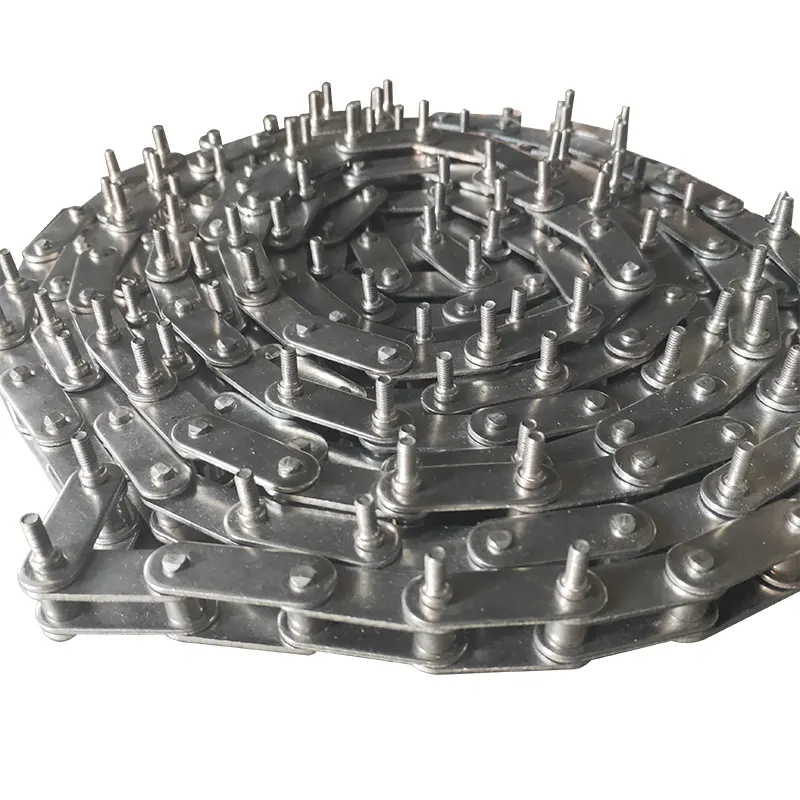
How does the choice of material impact the performance of a transmission chain?
The choice of material for a transmission chain plays a crucial role in its overall performance and durability. Here’s a detailed answer to the question:
1. Strength and Load Capacity: Different materials have varying levels of strength and load-carrying capacities. High-strength materials like alloy steel or stainless steel offer superior strength and can withstand heavy loads. The choice of a material with adequate strength ensures that the transmission chain can handle the required load without premature wear or failure.
2. Wear Resistance: The material used in the construction of a transmission chain affects its wear resistance. Some materials, such as hardened steel or certain alloys, have excellent wear resistance properties, allowing the chain to withstand abrasive conditions and prolong its lifespan. Choosing a material with good wear resistance reduces the need for frequent chain replacements and maintenance.
3. Corrosion Resistance: In environments where corrosion is a concern, such as outdoor or corrosive industrial settings, selecting a material with high corrosion resistance is essential. Stainless steel or specially coated chains offer excellent resistance to rust and corrosion, ensuring reliable performance and longevity even in harsh conditions.
4. Fatigue Strength: The material’s fatigue strength is crucial in applications where the transmission chain undergoes repeated cyclic loading. Fatigue failure can occur when a chain is subjected to continuous stress cycles, leading to cracks and eventual failure. Materials with high fatigue strength, such as specific alloys or heat-treated steels, are ideal for applications that require excellent fatigue resistance.
5. Temperature Resistance: The operating temperature of an application can impact the choice of material for a transmission chain. Some materials, such as heat-treated steels or specialized alloys, can withstand high-temperature environments without losing their mechanical properties. In contrast, certain plastics or polymers may be suitable for low-temperature applications. Choosing a material that can withstand the expected temperature range ensures optimal performance and prevents premature chain failure.
6. Cost Considerations: The choice of material also involves cost considerations. Some high-performance materials, such as stainless steel or specialized alloys, may have a higher initial cost compared to standard carbon steel chains. However, the increased performance, longevity, and reduced maintenance requirements provided by these materials may result in long-term cost savings.
It’s important to carefully assess the specific requirements of the application, including load capacity, environmental conditions, and operating parameters, when choosing the material for a transmission chain. Consulting with industry experts or manufacturers can help determine the most suitable material for optimal chain performance and longevity.
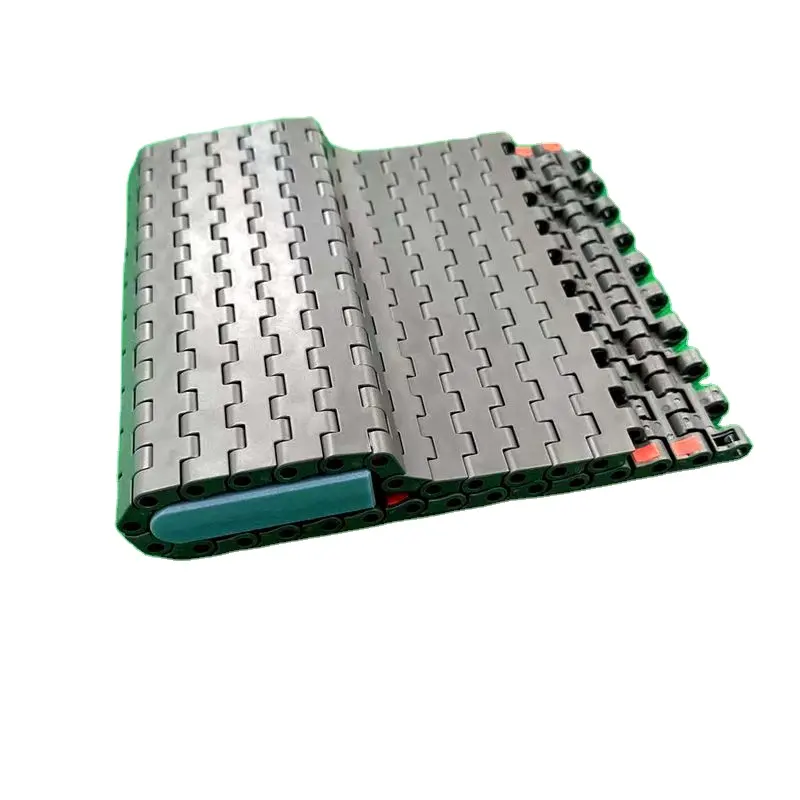
How does the choice of sprockets impact the performance of a transmission chain?
The choice of sprockets has a significant impact on the performance and longevity of a transmission chain. Here’s a detailed explanation:
1. Tooth Profile: The tooth profile of the sprockets should match the design of the transmission chain. Common tooth profiles include standard, modified, and special profiles. Proper matching ensures smooth engagement, reduced noise, and efficient power transmission.
2. Pitch Diameter: The pitch diameter of the sprockets determines the chain’s speed ratio and the rotational speed of the driven component. It should be selected based on the desired speed and torque requirements of the system.
3. Number of Teeth: The number of teeth on the sprockets affects the chain’s engagement and load distribution. Sprockets with a higher number of teeth distribute the load over more contact points, reducing wear and increasing the chain’s capacity to handle higher loads.
4. Material Selection: The material of the sprockets should be compatible with the chain and the operating environment. Common materials include steel, stainless steel, and plastics. Consider factors such as strength, wear resistance, and corrosion resistance when selecting the sprocket material.
5. Sprocket Hardness: The hardness of the sprockets is important to withstand the chain’s contact forces and resist wear. Proper hardness ensures that the sprockets maintain their tooth profile and engage with the chain effectively over an extended period.
6. Sprocket Alignment: Proper alignment of the sprockets is crucial to minimize wear, noise, and premature failure. Misalignment can lead to uneven load distribution, increased stress on the chain, and accelerated wear. Ensure that the sprockets are aligned both axially and radially to maintain optimal performance.
7. Lubrication: Sprockets should be adequately lubricated to reduce friction, wear, and heat generation. Proper lubrication ensures smooth rotation and minimizes the risk of chain failure. Consider using lubricants specifically formulated for sprocket and chain applications.
8. Maintenance: Regular inspection and maintenance of the sprockets are essential to detect any signs of wear, misalignment, or damage. Replace worn or damaged sprockets promptly to prevent chain slippage, excessive wear, and potential system failure.
Choosing the appropriate sprockets that are compatible with the transmission chain and the operating conditions is critical for achieving reliable and efficient performance. Consult the manufacturer’s guidelines and recommendations for selecting the right sprockets based on the specific application requirements.


editor by CX 2023-11-03