وصف المنتج
نحن متخصصون في تصنيع السلاسل وفقًا لرسومات ومواصفات العملاء. ميزتنا هي الجودة الموثوقة، والأسعار التنافسية، والتسليم السريع، والخدمة الممتازة.
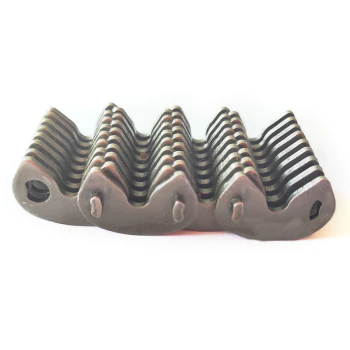
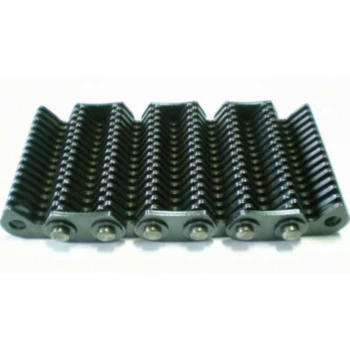
تشمل المنتجات القياسية أنواعًا مختلفة من سلاسل النقل والتحريك، مثل سلاسل البكرات، وسلاسل النقل ذات الخطوة المزدوجة، وسلاسل الدبابيس المجوفة، وسلاسل الأوراق، وسلاسل أسطح الطاولات، وسلاسل القوس الجانبي، وسلاسل الأخشاب، وسلاسل الزراعة، والسلاسل الصامتة، وسلاسل PIV، وسلاسل الفولاذ المقاوم للصدأ، والسلاسل المطلية بالنيكل/الزنك، وسلاسل داكروميت، وسلاسل الهندسة، وسلاسل دبابيس الفولاذ، وسلاسل الفولاذ الملحومة، والسلاسل المطروقة، وسلاسل الحديد المطاوع، وغيرها الكثير. كما تتوفر أنواع مختلفة من الملحقات.
وصف المنتج
تحديد:
1) الملحقات على جانب واحد
2) الملحقات الموجودة على الألواح الداخلية
3) الملحقات الموجودة على الألواح الخارجية
4) ملحقات على كلا الجانبين
5) ملحقات مستقيمة
6) ملحقات الكرنك
7) وصلات الدبابيس
8) ملحقات خاصة أخرى
تشتهر سلسلة النقل بقوتها العالية ومقاومتها المستمرة للإجهاد؛ وتتوافق أبعاد السلسلة تمامًا مع معايير ANSI و BS.
وفقًا لظروف العمل المختلفة، يمكن اختيار السلسلة ذات معالجة الطلاء المختلفة، مثل طلاء الزنك، وطلاء النيكل، وطلاء الكروم، وطلاء داكروميت، إلخ.
وصف المنتج
|
من 25-1 إلى 240-1 |
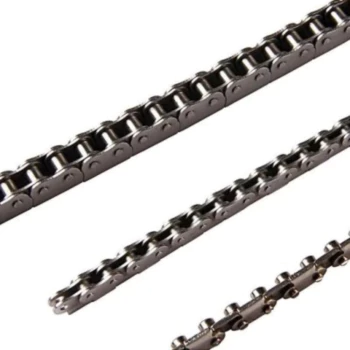
نحن نوفر أنواعًا مختلفة من سلاسل البكرات، وسلاسل النقل، وسلاسل التحويل، والسلاسل الزراعية، وما إلى ذلك، وفقًا للرسومات.
سمات:
1) سلاسل متسلسلة:
أ) سيمبلكس: 25-1 – 240-1
ب) دوبلكس: 25-2 – 240-2
ج) ثلاثي: 25-3 – 240-3
2) سلاسل السلسلة B:
أ) سيمبلكس: 04B-1 – 72B-1
ب) دوبلكس: 05B-2 – 72B-2
ج) ثلاثي: 05B-3 – 72B-3
3) المواد: الفولاذ المقاوم للصدأ أو الفولاذ الكربوني
4) سلاسل أخرى متوفرة: سلاسل بكرات شديدة التحمل، سلاسل بكرات دقيقة قصيرة الخطوة من النوع ذي المسمار (سلسلة A)، سلاسل بكرات شديدة التحمل من النوع ذي المسمار، سلاسل بكرات أحادية أخرى، سلاسل مطلية بالزنك، سلاسل مطلية بالداكروميت، سلاسل مطلية بالنيكل، سلاسل مضادة للانحناء الجانبي، سلاسل انحناء جانبي لدفع النوافذ، سلاسل انحناء جانبي، سلاسل بكرات ذاتية التشحيم، سلاسل صامتة، سلاسل ذاتية تشكيل الأسنان (سلاسل PIV)، سلاسل نقل الحركة شديدة التحمل ذات وصلات معقوفة، سلاسل فولاذية للتخلص من مياه الصرف الصحي، سلاسل حقول النفط، سلاسل وصل، سلاسل دراجات نارية، سلاسل دراجات نارية بحلقات O، سلسلة آلية المحرك (سلاسل التوقيت)، سلاسل نقل الحركة ذات الخطوة المزدوجة وملحقات سلاسل نقل الحركة ذات الخطوة المزدوجة.
| مادة: | الفولاذ المقاوم للصدأ |
|---|---|
| بناء: | سلسلة بكرات |
| معالجة السطح: | تلميع |
| حجم السلسلة: | 1/2 بوصة × 11/128 بوصة |
| ميزة: | مضاد للصدأ، مضاد للتآكل |
| البنية (للسلسلة): | سلسلة بكرات |
| التخصيص: |
متاح
| طلب مخصص |
|---|
What are the advantages of using a lightweight drive chain?
Using a lightweight drive chain offers several advantages in certain applications where weight reduction is a critical factor. Here is a detailed explanation:
Lightweight drive chains are specifically designed to provide reliable power transmission while minimizing the overall weight of the system. The advantages of using such chains include:
- Improved Energy Efficiency: Lightweight drive chains reduce the overall mass and inertia of the power transmission system. This results in improved energy efficiency, as less power is required to accelerate and decelerate the lighter components. Reduced energy consumption contributes to cost savings and promotes sustainability.
- Enhanced System Performance: By reducing the weight of the drive chain, the overall system performance can be improved. The reduced mass allows for quicker response times, faster acceleration, and improved dynamic performance of the machinery or equipment. This can be particularly beneficial in applications that require rapid changes in speed or direction.
- Increased Speed Capability: Lightweight drive chains enable higher speeds due to reduced inertia and decreased centrifugal forces. This allows for faster operation, quicker cycle times, and improved productivity in applications that demand high-speed power transmission.
- Reduced Wear and Friction: The lighter weight of the drive chain can contribute to reduced wear and friction between the chain and the sprockets. With less weight bearing on the chain and sprocket teeth, there is reduced contact stress and improved lubrication distribution. This leads to lower frictional losses, decreased wear, and extended chain life.
- Easier Installation and Maintenance: Lightweight drive chains are easier to handle and install compared to heavier chains, reducing the physical strain on operators during installation or maintenance tasks. The reduced weight simplifies handling and improves overall ergonomics, making it more convenient for operators to work with the chain.
- تعدد استخدامات التطبيق: Lightweight drive chains can be used in a wide range of industries and applications where weight reduction is advantageous. They are commonly employed in sectors such as automotive, robotics, aerospace, and portable equipment, where lightweight components contribute to improved performance and fuel efficiency.
It is important to consider the specific requirements and constraints of the application when selecting a lightweight drive chain. Factors such as load capacity, speed capabilities, environmental conditions, and material selection should be taken into account.
While lightweight drive chains offer numerous benefits, it is crucial to ensure that their reduced weight does not compromise their load-carrying capacity or durability. Regular maintenance, including proper tensioning, lubrication, and periodic inspection, is essential to maintain the optimal performance and reliability of lightweight drive chains.
By utilizing lightweight drive chains in appropriate applications, operators can benefit from improved energy efficiency, enhanced system performance, increased speed capabilities, reduced wear and friction, easier installation and maintenance, and overall weight reduction, contributing to improved efficiency and performance of the power transmission system.
How does the elongation of a drive chain affect its performance?
The elongation of a drive chain can have a significant impact on its performance and overall operation. Here is a detailed explanation:
Drive chains are subject to wear and elongation over time due to factors such as load, speed, tension, lubrication, and maintenance. Elongation refers to the increase in the chain’s pitch length, which can lead to several performance-related issues:
- Loss of Tension: As a chain elongates, it loses tension and becomes slack. This results in a loss of power transmission efficiency and can lead to skipping or jumping of the chain on the sprockets. A slack chain may also cause a loss of accuracy and synchronization in driven systems.
- Poor Performance: Elongation can affect the overall performance of the drive system. It can lead to increased backlash, reduced precision, and the potential for chain derailment or disengagement from the sprockets. These issues can result in decreased efficiency, unreliable operation, and increased risk of damage to the chain or other components.
- Increased Wear: Elongation causes increased wear between the chain links, pins, and bushings. This wear can accelerate the elongation process and further decrease the chain’s performance and service life. It can also lead to increased friction, heat generation, and the potential for chain failure if not addressed promptly.
- Reduced Load-Carrying Capacity: Elongation reduces the effective pitch length of the chain, resulting in a decreased load-carrying capacity. This can limit the chain’s ability to handle heavy loads, potentially leading to premature failure or inadequate performance in applications where high loads are involved.
- Increased Noise and Vibration: Elongation can cause increased noise and vibration during chain operation. The slack chain may produce rattling or banging sounds, and the vibration can negatively affect the overall system performance and operator comfort.
Regular inspection and maintenance are essential to monitor chain elongation and address it promptly. Measuring elongation using specialized tools and following the manufacturer’s recommended elongation limits can help determine when a chain requires replacement or adjustment.
Proper chain tension, lubrication, and regular maintenance practices, including periodic tension adjustment and lubrication replenishment, can help minimize elongation and ensure optimal chain performance. It is important to follow the manufacturer’s guidelines and consult with experts or technicians to establish appropriate maintenance schedules and procedures for the specific drive chain and application.
What are the signs of a worn-out drive chain?
A worn-out drive chain can significantly impact the performance and safety of a machine or system. It is important to recognize the signs of a worn-out drive chain to address the issue promptly. Here are some common signs to look out for:
- 1. Chain Elongation: Excessive chain elongation is a clear indication of wear. You can measure chain elongation by comparing the current chain length to its original length. If the chain has elongated beyond the manufacturer’s recommended limit, it is a sign of wear and requires replacement.
- 2. Visible Signs of Wear: Inspect the drive chain for visible signs of wear, such as worn-out or distorted chain links, rollers, or plates. Look for signs of corrosion, pitting, or discoloration, indicating the chain’s deterioration.
- 3. Chain Slack: Excessive chain slack, where the chain visibly sags or has too much play, is an indicator of wear. A properly tensioned chain should have a minimal amount of slack, and excessive slack suggests elongation and a need for replacement.
- 4. الضوضاء والاهتزاز: A worn-out drive chain often produces increased noise and vibration during operation. If you notice unusual rattling, clanking, or grinding sounds, or if you feel excessive vibrations, it may be a sign of a worn chain.
- 5. Poor Power Transmission: A worn-out chain may struggle to efficiently transfer power, resulting in reduced performance and power loss. You may experience a decrease in acceleration, sluggishness, or difficulty maintaining consistent speed.
- 6. Poor Gear Shifting: In applications where the drive chain is connected to gears, a worn chain can cause difficulties in gear shifting, resulting in jerky or unreliable gear changes.
- 7. Increased Chain Tension: As a chain wears, it may require frequent tension adjustments to maintain proper alignment and operation. If you find yourself frequently adjusting the chain tension, it may be a sign of wear.
If you observe any of these signs, it is recommended to replace the worn-out drive chain promptly to avoid further damage and ensure the safe and efficient operation of the machinery.


تم التحرير بواسطة CX بتاريخ 17 نوفمبر 2023