Product Description
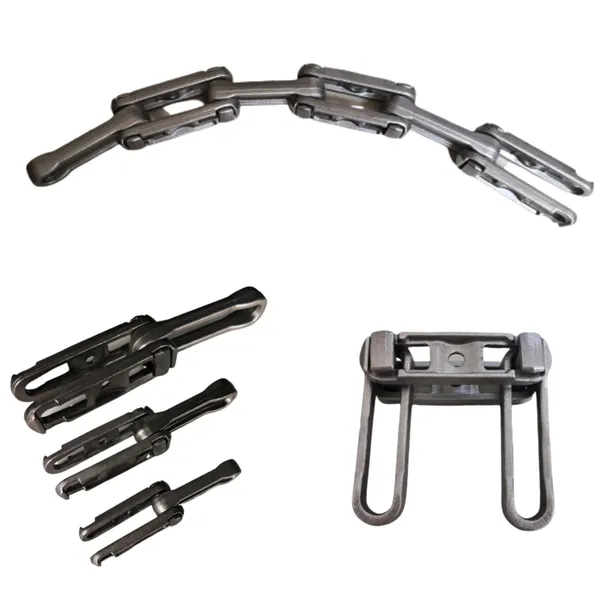
Stainless Steel Double Pitch Conveyor Chain Attachments
1. Type: stainless steel double pitch conveyor chain
2. Material: 304 316 stainless material
3. Appication: stainless steel double pitch conveyor chain is used widely in food industries and so on
4. Feature:
(1) Anti-corrossion
(2) Durable
(3) Competitive price
(4) Quality guarantee
(5) Customized possible
5. Attchment types:A-1,K-1,A-2,K-2
6. Chain photos:
/* January 22, 2571 19:08:37 */!function(){function s(e,r){var a,o={};try{e&&e.split(“,”).forEach(function(e,t){e&&(a=e.match(/(.*?):(.*)$/))&&1
| Application: | Textile Machinery, Conveyer Equipment, Packaging Machinery, Motorcycle, Food Machinery, Agricultural Machinery |
|---|---|
| Surface Treatment: | Polishing |
| Structure: | Roller Chain |
| Samples: |
US$ 20/Meter
1 Meter(Min.Order) | Order Sample |
|---|
| Customization: |
Available
| Customized Request |
|---|
.shipping-cost-tm .tm-status-off{background: none;padding:0;color: #1470cc}
| Shipping Cost:
Estimated freight per unit. |
about shipping cost and estimated delivery time. |
|---|
| Payment Method: |
|
|---|---|
|
Initial Payment Full Payment |
| Currency: | US$ |
|---|
| Return&refunds: | You can apply for a refund up to 30 days after receipt of the products. |
|---|
Can a conveyor chain be used in cleanroom environments?
Yes, conveyor chains can be used in cleanroom environments with proper selection and design considerations. Cleanroom environments require stringent control of airborne particles, such as dust, microbes, and contaminants, to maintain high levels of cleanliness. Here are some factors to consider when using a conveyor chain in a cleanroom:
1. Material Selection:
– Choose a conveyor chain made from materials that are compatible with cleanroom requirements. Stainless steel, plastic, or special coatings are commonly used for their clean and non-contaminating properties.
– Avoid materials that generate excessive particles or contaminants, such as certain types of lubricants or chain coatings.
2. Design Considerations:
– Design the conveyor chain system to minimize particle generation. This includes smooth surfaces, rounded edges, and avoiding areas that can trap or accumulate particles.
– Use sealed or enclosed chain designs to prevent the release of lubricants or contaminants.
– Consider the integration of additional features, such as covers or guards, to further protect the chain and prevent particle ingress.
3. Cleaning and Maintenance:
– Establish a cleaning and maintenance protocol specific to the cleanroom environment. This may include regular cleaning and sanitization procedures to maintain cleanliness standards.
– Use cleaning agents and procedures that are approved for cleanroom use and do not introduce contaminants.
– Regularly inspect the conveyor chain system for any signs of wear, damage, or contamination. Promptly address any issues to ensure the chain’s reliability and cleanliness.
4. Compliance with Cleanroom Standards:
– Ensure that the conveyor chain system meets the cleanliness and particle generation requirements of the specific cleanroom standards or classifications in which it will be used.
– Comply with relevant industry guidelines and regulations, such as ISO standards, when selecting and using conveyor chains in cleanroom environments.
By considering these factors and implementing proper material selection, design considerations, cleaning protocols, and compliance with cleanroom standards, a conveyor chain can be effectively used in cleanroom environments while maintaining the required cleanliness levels.

What are the factors to consider when selecting the pitch of a conveyor chain?
When selecting the pitch of a conveyor chain, several factors need to be considered to ensure optimal performance and efficiency. Here are the key factors:
1. Load Capacity: The pitch of the conveyor chain should be selected based on the anticipated load capacity of the system. Consider the weight and size of the conveyed materials to ensure the chain can handle the required load without exceeding its capacity.
2. Speed and Application: The operating speed of the conveyor system and the specific application play a role in determining the pitch. Higher speeds may require smaller pitch chains to maintain smooth and reliable operation.
3. Conveyor Length: The length of the conveyor system affects the selection of the chain pitch. Longer conveyors may require larger pitch chains to distribute the load and reduce tension on individual chain links.
4. Space Constraints: Consider the available space for the conveyor system. Smaller pitch chains may be preferred in applications with limited space to minimize the overall footprint of the conveyor.
5. Wear and Maintenance: The pitch selection should also consider the anticipated wear and maintenance requirements. Smaller pitch chains often provide better wear resistance and may require less frequent lubrication and maintenance.
6. Speed Regulation: If the conveyor system requires speed regulation or precise positioning, the pitch selection should align with the control capabilities of the drive system. Smaller pitch chains can offer finer control and accuracy.
7. Compatibility: Ensure that the selected pitch is compatible with other components of the conveyor system, including sprockets, guides, and attachments. They should be designed to work together smoothly and efficiently.
8. Application Environment: Consider the environmental conditions in which the conveyor will operate. Factors such as temperature, humidity, corrosive substances, or abrasive materials may influence the choice of chain pitch and material to ensure durability and longevity.
By considering these factors, you can select the appropriate pitch for the conveyor chain, ensuring optimal performance, longevity, and reliable operation of the system.
How to select the right conveyor chain for your conveyor system?
Selecting the right conveyor chain for your conveyor system is crucial to ensure optimal performance and longevity. Here are the steps to follow when choosing a conveyor chain:
- Identify your application requirements: Determine the specific requirements of your conveyor system, including the type of material being conveyed, the speed of operation, the load capacity, the environmental conditions, and any special considerations.
- Consider the chain type: Based on your application requirements, consider the different types of conveyor chains available, such as roller chains, double pitch chains, hollow pin chains, apron chains, or plastic chains. Evaluate their features and benefits to determine which type is most suitable for your needs.
- Assess the chain material: Conveyor chains are typically made from various materials such as steel, stainless steel, or plastic. Consider factors such as corrosion resistance, temperature resistance, wear resistance, and food-grade requirements when selecting the chain material.
- Determine the chain pitch: The chain pitch refers to the distance between the centers of adjacent pins. Choose the appropriate pitch size based on your conveyor system’s design, load requirements, and speed. Smaller pitch sizes provide smoother operation at higher speeds, while larger pitch sizes offer better resistance against wear and fatigue.
- Evaluate the chain strength: Consider the required tensile strength and fatigue resistance of the chain to ensure it can withstand the anticipated load and operating conditions. Factors such as chain construction, material quality, and heat treatment play a role in determining the chain’s strength.
- Consider additional features: Depending on your application, you may need additional features such as attachments, guides, or specialized coatings on the chain. Assess if any of these features are necessary to meet your specific requirements.
- Consult with experts: If you’re uncertain about the selection process or have unique application needs, it’s advisable to consult with conveyor chain manufacturers or industry experts who can provide guidance and recommendations based on their expertise.
By following these steps and carefully considering your application requirements, you can select the right conveyor chain that ensures efficient and reliable operation of your conveyor system.


editor by CX 2024-03-29