Product Description
HangZhou TERRY MACHINERY CO.LTD
1.Material: steel or stainless steel , plastic material
C45, A3, Q235,Q345, S235JR,C22, C40,42CRMO4,PA6, POM ,stainless steel
2.Drawing as standard or approved by client before production
3.Standard: ANSI ,DIN ,JIS ,BS, ( SATI, CHIARAVALLI, BEA,MARTIN, BROWNING,KANA)
4.European standard sprockets: 04B 05B 06B 08B 10B 12B 16B 20B 24B 28B 32B 40B 48B 56B
American standard sprockets:04c 06c 08A 10A 12A 16A 20A 24A 28A 32A 36A 40A 48
Accept custom!!!! all models supply, welcome to your inquiry!
/* January 22, 2571 19:08:37 */!function(){function s(e,r){var a,o={};try{e&&e.split(“,”).forEach(function(e,t){e&&(a=e.match(/(.*?):(.*)$/))&&1
| Standard Or Nonstandard: | Standard |
|---|---|
| Application: | Conveyor |
| Hardness: | Hardened Tooth Surface |
| Samples: |
US$ 5/Piece
1 Piece(Min.Order) | Order Sample |
|---|
.shipping-cost-tm .tm-status-off{background: none;padding:0;color: #1470cc}
| Shipping Cost:
Estimated freight per unit. |
about shipping cost and estimated delivery time. |
|---|
| Payment Method: |
|
|---|---|
|
Initial Payment Full Payment |
| Currency: | US$ |
|---|
| Return&refunds: | You can apply for a refund up to 30 days after receipt of the products. |
|---|
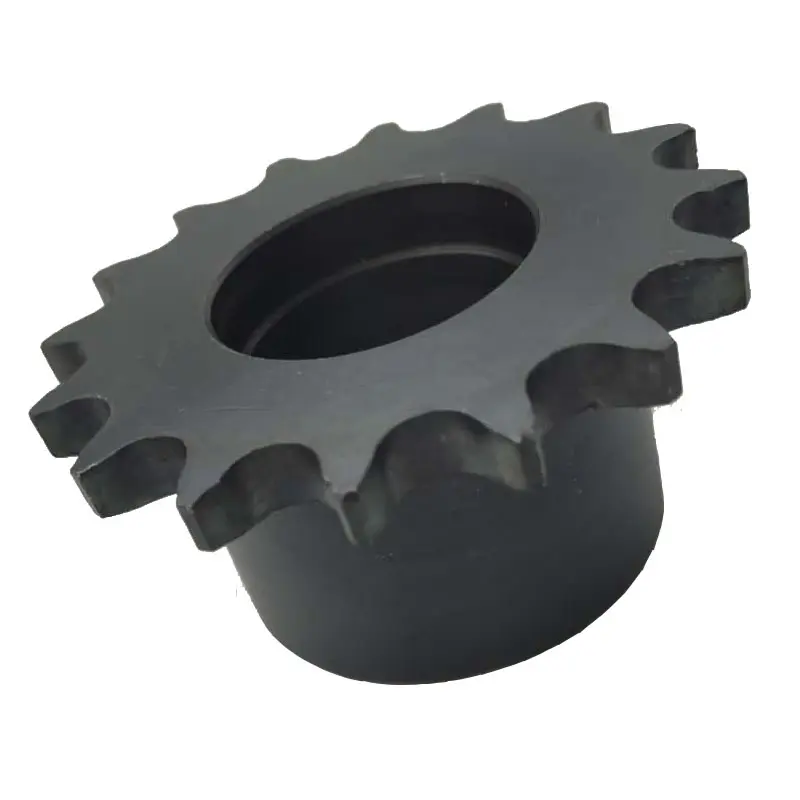
Compatibility of Chain Sprockets with Wheels
In general, chain sprockets are designed to work with specific types of wheels, and there are certain requirements for ensuring proper compatibility:
- Chain Size and Pitch: The chain sprocket must match the size and pitch of the chain it is intended to work with. For example, if you have a roller chain with a pitch of 0.625 inches, you need a sprocket with the same pitch to ensure a proper fit.
- Number of Teeth: The number of teeth on the sprocket should be compatible with the number of chain links. The chain should mesh smoothly with the sprocket without any binding or skipping.
- Tooth Profile: The tooth profile of the sprocket should match the shape of the chain’s rollers to ensure smooth engagement and minimize wear.
- Shaft Size: The center hole (bore) of the sprocket should match the diameter of the shaft it will be mounted on. Using the correct shaft size ensures a secure fit and prevents wobbling.
- Hub Configuration: Some sprockets have hubs, which are extensions on either side of the sprocket. The hub’s length and configuration should match the requirements of the specific application.
- Material and Strength: Consider the material and strength of the sprocket based on the application’s load and environmental conditions. Heavy-duty applications may require sprockets made of robust materials to withstand the forces and stresses.
It’s crucial to follow the manufacturer’s specifications and guidelines when selecting a chain sprocket for a particular wheel. Mixing incompatible sprockets and wheels can result in premature wear, inefficiencies, and potential safety hazards. If you are unsure about the compatibility, consult with the manufacturer or a knowledgeable expert to ensure you choose the right sprocket for your specific application.
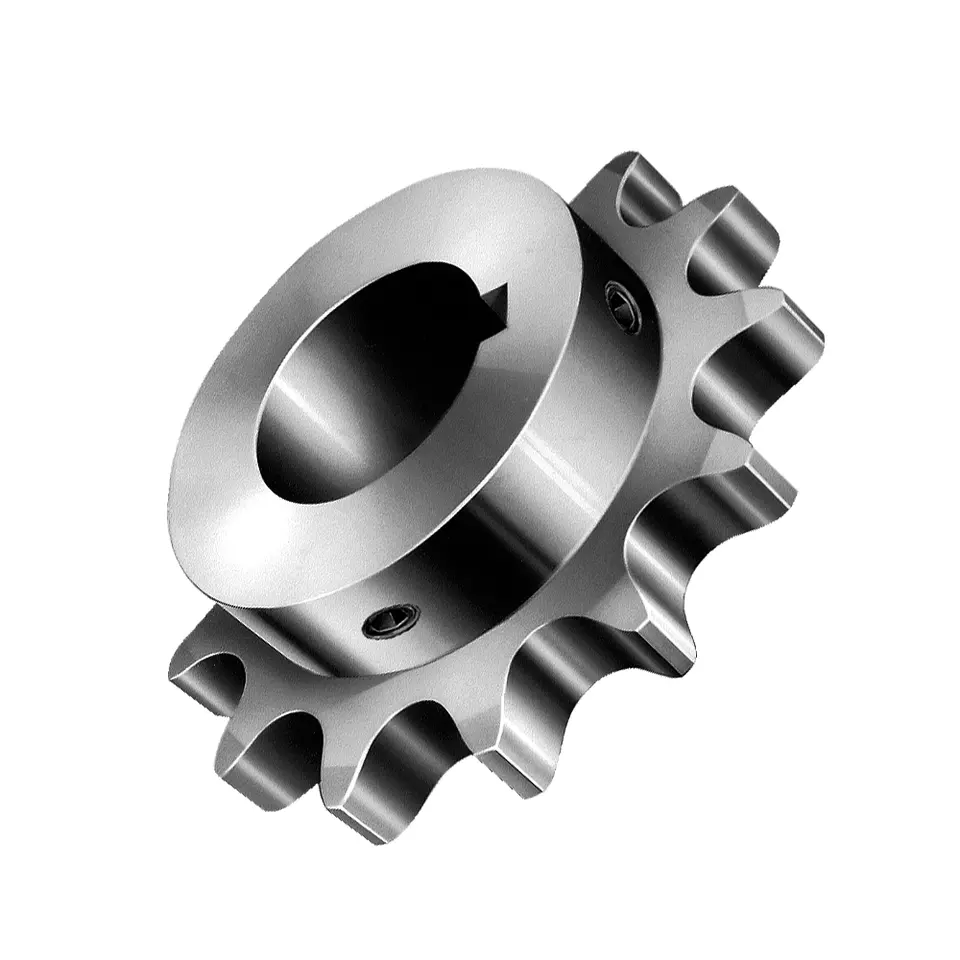
Choosing the Right Material for a Sprocket to Ensure Longevity
Choosing the right material for a sprocket is crucial to ensure its longevity and reliable performance in a given application. The material selection depends on various factors such as load, speed, operating environment, and budget. Here are some common materials used for sprockets and their considerations:
- Steel: Steel sprockets are widely used in a wide range of applications due to their excellent strength, durability, and wear resistance. They are suitable for heavy-duty and high-speed operations. Different grades of steel, such as carbon steel or alloy steel, offer varying levels of hardness and strength.
- Stainless Steel: Stainless steel sprockets are preferred when corrosion resistance is essential, making them suitable for applications where the sprocket is exposed to moisture, chemicals, or outdoor elements. They are commonly used in food processing, pharmaceutical, and marine industries.
- Cast Iron: Cast iron sprockets offer good wear resistance and are often used in low to medium-speed applications. They are cost-effective and provide excellent performance in less demanding conditions.
- Plastics: Plastic sprockets are lightweight and corrosion-resistant. They are commonly used in applications where low noise, self-lubrication, and resistance to chemicals or moisture are required. However, they have limited load-carrying capacity and may not be suitable for heavy-duty applications.
- Aluminum: Aluminum sprockets are lightweight and commonly used in applications where weight reduction is critical, such as aerospace and certain machinery. However, they are not as durable as steel sprockets and are not suitable for high loads or harsh environments.
When choosing the right material for a sprocket, consider the following:
- Load Capacity: Select a material that can handle the expected loads in the application without deforming or wearing excessively.
- Speed: Higher speeds may require materials with better heat dissipation and wear resistance.
- Environment: Consider factors such as moisture, chemicals, temperature, and outdoor exposure. Choose a material with suitable corrosion resistance and resilience to environmental conditions.
- Maintenance: Some materials may require more frequent maintenance or lubrication to ensure longevity.
- Cost: Balance the material’s performance with the budget constraints of the project.
It’s essential to consult with sprocket manufacturers or material experts to determine the most appropriate material for your specific application. They can provide valuable insights and recommendations based on your requirements, helping to ensure the longevity and optimal performance of the sprocket in your machinery or equipment.
Types of Sprockets Used with Wheels
In mechanical systems, sprockets are toothed wheels that mesh with a chain or a belt to transmit rotational motion and power. There are several types of sprockets used with wheels, each designed for specific applications:
1. Roller Chain Sprockets:
These are the most common type of sprockets used with wheels and are designed to work with roller chains. Roller chain sprockets have teeth that match the profile of the chain’s rollers, ensuring smooth engagement and reducing wear on both the sprocket and the chain. They are widely used in bicycles, motorcycles, and industrial machinery.
2. Silent Chain Sprockets:
Also known as inverted-tooth chain sprockets, these sprockets are designed to work with silent chains. Silent chains are toothed chains that run quietly and smoothly, making them ideal for applications where noise reduction is essential, such as timing drives in engines and automotive systems.
3. Timing Belt Sprockets:
Timing belt sprockets are used with timing belts to ensure precise synchronization between the crankshaft and camshaft in internal combustion engines. They have specially designed teeth that fit the profile of the timing belt, allowing for accurate timing and smooth motion.
4. Idler Sprockets:
Idler sprockets are used to guide and tension chains or belts in a system. They do not transmit power themselves but play a crucial role in maintaining proper tension and alignment, which is essential for efficient power transmission and to prevent chain or belt slack.
5. Weld-On Sprockets:
Weld-on sprockets are designed to be welded directly onto a wheel hub or shaft, providing a secure and permanent attachment. They are commonly used in industrial machinery and equipment.
6. Double-Single Sprockets:
Double-single sprockets, also known as duplex sprockets, have two sets of teeth on one sprocket body. They are used when two separate chains need to be driven at the same speed and with the same sprocket ratio, often found in heavy-duty applications and conveyor systems.
7. Taper-Lock Sprockets:
Taper-lock sprockets are designed with a taper and keyway to provide a secure and easy-to-install connection to the shaft. They are widely used in power transmission systems, where sprocket positioning and removal are frequent.
Each type of sprocket is selected based on the specific application’s requirements, chain or belt type, and the desired performance characteristics. Proper selection and maintenance of sprockets are essential for ensuring efficient power transmission and extending the life of the entire system.


editor by Dream 2024-05-10