Product Description
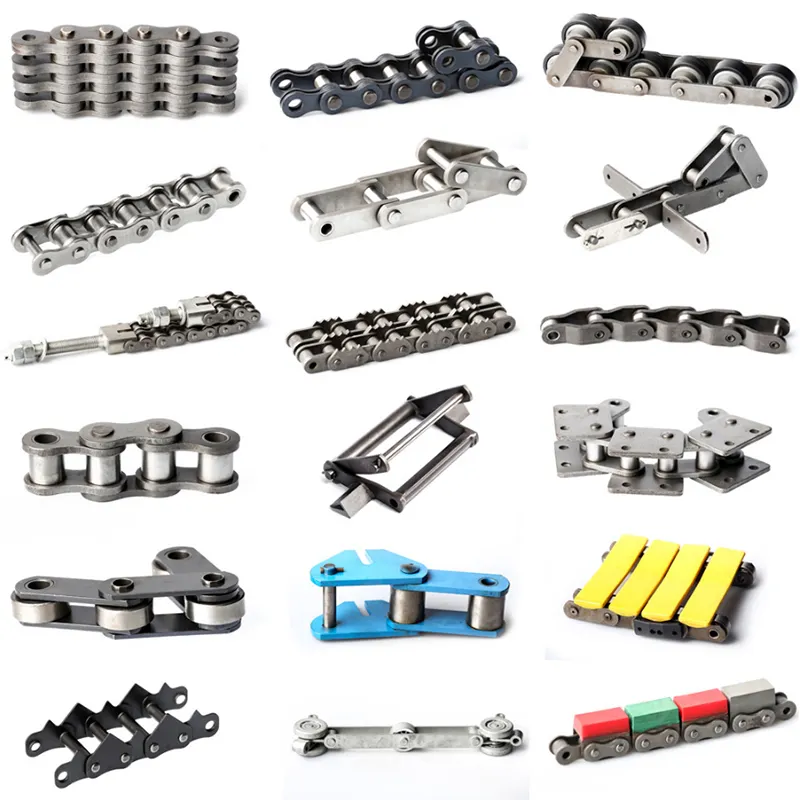
Products Collection
Product Description
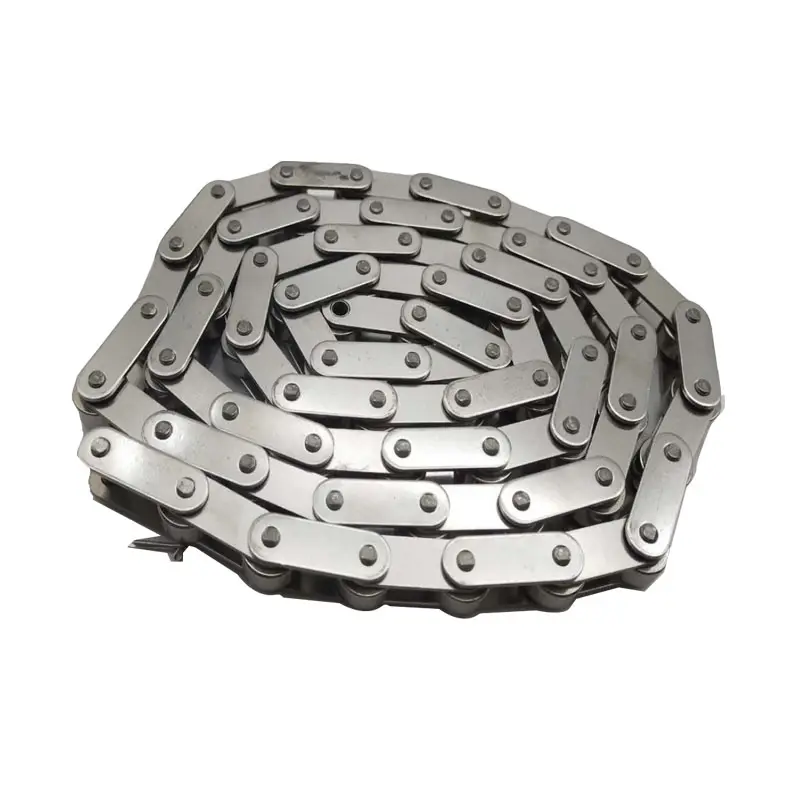
Our CVT chains offer a multitude of advantages, which can be used in a wide range of applications.
It is made from high-quality materials, ensuring durability and long service life. Quality assurance gives you a competitive edge in the market.
This chain allows for smooth and efficient power transmission, reducing energy loss and increasing the overall efficiency of your machinery, operating with less noise and vibration compared to conventional chains.
FAQ
| Question 1: Are you a Manufacturer or a Trading Company? |
| Answer: We are a 100% chain manufacturer with 23 years of experience |
| Question 2: What should I provide to get a quotation? |
| Answer: 1. Type of the chain (with photos if available) 2. Pitch of the chain 3. Width of the chain 4. Length and quantity of the chain 5. Other specific requirements |
| Question 3: How long is your manufacturing and delivery time? |
| Answer: Products are usually finished in 2 weeks, depending on the type and quantity. Also, please get in touch with us to check the delivery time to your destination. |
| Question 4: How long is your guaranteed time? |
| Answer: We offer a three-year guarantee if you purchase chains and matched sprockets together. If you need chains only, a one-year guarantee can also be confirmed. |
| Question 5: Trade terms and Payment terms? |
| Answer: We accept EXW, FOB, DDU, Door to Door. Payment terms, such as T/T, L/C, and Western Union, are acceptable. We also provide the service of Online Trading in this B2B platform. |
Company Profile
/* January 22, 2571 19:08:37 */!function(){function s(e,r){var a,o={};try{e&&e.split(“,”).forEach(function(e,t){e&&(a=e.match(/(.*?):(.*)$/))&&1
| Standard or Nonstandard: | Nonstandard |
|---|---|
| Application: | Textile Machinery, Garment Machinery, Conveyer Equipment, Packaging Machinery, Food Machinery, Marine, Mining Equipment, Agricultural Machinery, Car |
| Structure: | CVT |
| Samples: |
US$ 200/Meter
1 Meter(Min.Order) | Order Sample |
|---|
| Customization: |
Available
| Customized Request |
|---|
.shipping-cost-tm .tm-status-off{background: none;padding:0;color: #1470cc}
|
Shipping Cost:
Estimated freight per unit. |
about shipping cost and estimated delivery time. |
|---|
| Payment Method: |
|
|---|---|
|
Initial Payment Full Payment |
| Currency: | US$ |
|---|
| Return&refunds: | You can apply for a refund up to 30 days after receipt of the products. |
|---|
Can transmission chains be used in construction or heavy equipment?
Yes, transmission chains are commonly used in construction and heavy equipment due to their durability and ability to handle high loads. Here’s a detailed answer to the question:
Construction and heavy equipment, such as excavators, bulldozers, cranes, and loaders, often rely on transmission chains to transmit power and motion between different components. These chains are designed to withstand the demanding conditions and heavy loads encountered in construction and earthmoving applications.
The primary advantages of using transmission chains in construction and heavy equipment include:
1. Load Capacity: Transmission chains are engineered to handle heavy loads and provide reliable power transmission in equipment that requires substantial force. They are designed to withstand the extreme stresses and strains associated with lifting, pulling, and pushing heavy materials.
2. Durability: Construction and heavy equipment operate in challenging environments with debris, dust, vibrations, and harsh weather conditions. Transmission chains are built to be robust and resistant to wear, corrosion, and fatigue, ensuring reliable operation and long service life in these demanding settings.
3. Versatility: Transmission chains are available in various sizes, configurations, and materials, allowing them to be tailored to specific equipment requirements. This versatility enables manufacturers to select the most suitable chain for different applications, ensuring optimal performance and efficiency.
4. Power Transmission: Construction and heavy equipment often require high torque and precise power transmission. Transmission chains excel in transmitting power from the engine or motor to various moving parts, such as wheels, tracks, and lifting mechanisms, allowing the equipment to perform its intended functions effectively.
5. Easy Maintenance: Transmission chains typically have a straightforward design, making them relatively easy to maintain. Regular inspection, lubrication, and tension adjustment are essential to ensure proper functioning and extend the chain’s lifespan. Proper maintenance practices can help minimize downtime and reduce overall equipment maintenance costs.
It’s important to note that while transmission chains are widely used in construction and heavy equipment, the specific application and operating conditions should be taken into consideration when selecting the appropriate chain type, size, and material. Consulting the equipment manufacturer’s guidelines and recommendations is crucial to ensure optimal performance and safety.
What are the benefits of using a lightweight transmission chain?
Using a lightweight transmission chain offers several advantages. Here’s a detailed answer to the question:
1. Improved Efficiency: A lightweight transmission chain reduces the overall weight of the system, resulting in improved energy efficiency. With less mass to move, the power required to drive the chain is reduced, leading to lower energy consumption.
2. Increased Power-to-Weight Ratio: The lightweight nature of the chain allows for a higher power-to-weight ratio. This means that a smaller, lighter chain can transmit the same amount of power as a heavier chain, making it suitable for applications where weight reduction is crucial, such as in portable or handheld equipment.
3. Reduced Inertia: The lower weight of the transmission chain reduces the inertia of the system. This enables faster acceleration and deceleration, resulting in improved response times and better overall performance in dynamic applications.
4. Easier Handling and Installation: Lightweight transmission chains are easier to handle and install compared to heavier chains. They require less effort and manpower during installation or maintenance activities, making them more convenient and time-saving.
5. Lower Wear and Tear: The reduced weight of the chain contributes to lower wear and tear on other components of the system, such as sprockets, bearings, and shafts. This can extend the lifespan of these components and reduce the frequency of maintenance and replacement.
6. Cost Savings: Using a lightweight transmission chain can result in cost savings in several ways. The reduced energy consumption leads to lower operating costs, and the lighter weight may allow for the use of smaller and less expensive supporting components.
It’s important to note that the choice of a lightweight transmission chain should be based on the specific application requirements. Factors such as load capacity, speed, operating environment, and compatibility with other system components should be considered to ensure that the lightweight chain meets the performance and durability needs of the application.
What are the common causes of failure in transmission chains?
Transmission chains are subject to various factors that can contribute to their failure over time. Here’s a detailed explanation:
1. Insufficient Lubrication: Inadequate or improper lubrication is one of the leading causes of chain failure. Insufficient lubrication can lead to increased friction, heat generation, and accelerated wear between the chain’s components, such as pins, bushings, and rollers.
2. Contamination: Contaminants like dirt, dust, debris, and moisture can enter the chain system, affecting its performance and causing accelerated wear. Contamination can hinder proper lubrication, increase friction, and cause corrosion, leading to chain failure.
3. Overloading: Applying excessive loads beyond the chain’s rated capacity can lead to overloading, which causes stress and deformation of the chain’s components. Overloading can result in chain elongation, accelerated wear, and ultimately, chain failure.
4. Misalignment: Improper alignment of the chain and sprockets can cause uneven distribution of forces, leading to localized wear and increased stress on certain areas of the chain. Misalignment can result from incorrect installation or wear and tear of sprockets, leading to premature chain failure.
5. Fatigue: Repeated cyclic loading and stress can cause fatigue in the chain, leading to cracks, fractures, and ultimately, chain failure. Fatigue failure is more likely to occur when the chain is subjected to high-speed or high-frequency applications.
6. Corrosion: Exposure to corrosive environments, such as high humidity, chemicals, or extreme temperatures, can cause corrosion on the chain’s components. Corrosion weakens the chain’s structural integrity, leading to premature failure.
7. Poor Maintenance: Inadequate maintenance practices, such as infrequent inspections, lack of lubrication, and neglecting to address potential issues, can contribute to chain failure. Regular maintenance, including lubrication, cleaning, and proper tensioning, is essential for the longevity and reliable performance of transmission chains.
It is important to address these factors to prevent chain failure. Proper lubrication, regular inspections, cleaning, and alignment checks are essential maintenance practices. Selecting the right chain for the application, following manufacturer guidelines, and adhering to industry standards can also help mitigate the risk of failure and ensure the optimal performance and longevity of transmission chains.


editor by CX 2024-04-17