Product Description
Product Description
Hollow Pin Conveyor Chains (MC Series)
Chain No.: MC28, MC56, MC112, MC224
Pitch: 63.0 to 160.0 mm
For Free Samples
Prompt Delivery
Green Product
International Approvals
Experienced Staff
Detailed Photos
Product Parameters
We look CHINAMFG to receiving your enquires soon.
Conveyor chain is used for conveyor products from 1 place to another place e. X for the lumber, we supply good quality Conveyor chain, such as: 81X, 81XH, 81XHH, 81XHS, 500R and so on, if you have special demand we also could develop it for you.
Our Advantages
Why choose us?
1. HangZhou CHINAMFG Chain Group Co., Ltd established in 1991, we have 5 subsidiaries in China and also have 6 subsidiaries abroad;
2. We covering a production area of 200, 100 square meters, have more than 1, 800 sets of advanced equipment and over 3, 100 highly skilled employees, the annual production capacity has exceeded 20, 000, 000 meters;
3. We specialized in producing all kinds of standard chains and special chains, such as A or B series chains, driving chains, conveyor chains, dragging chains, agricultural chains and so on;
4. We have obtained ISO9001, ISO14001, ISO16969, AAA and API certificates.
The company is specialized in producing all kinds of standard chains and special chains, E. G. A or B series chains, automobile chains, stainless steel chains, combine harvester chains, heavy-duty cranked link transmission chains, stereo garage chains and maintenance-free chains etc. In recent years, it invests the capital and depends on the improvement of technology to accelerate the step of new product development and the step of technology reform. It intends to produce high strength and precision chains in order to meet requirements of the domestic and overseas markets. We have enclosed our catalog, which introduces our company in detail and covers the main products we supply at present. You may also visit our online company introduction at which includes our latest product line.
Should any of these items be of interest to you, please let us know. We will be happy to give you a quotation CHINAMFG receipt of your detailed requirements.
/* March 10, 2571 17:59:20 */!function(){function s(e,r){var a,o={};try{e&&e.split(“,”).forEach(function(e,t){e&&(a=e.match(/(.*?):(.*)$/))&&1
| Usage: | Transmission Chain |
|---|---|
| Material: | Stainless steel |
| Surface Treatment: | Shot Peening |
| Feature: | Heat Resistant |
| Chain Size: | We Can Produce According to Your Requirements |
| Structure: | All Kinds of You Required |
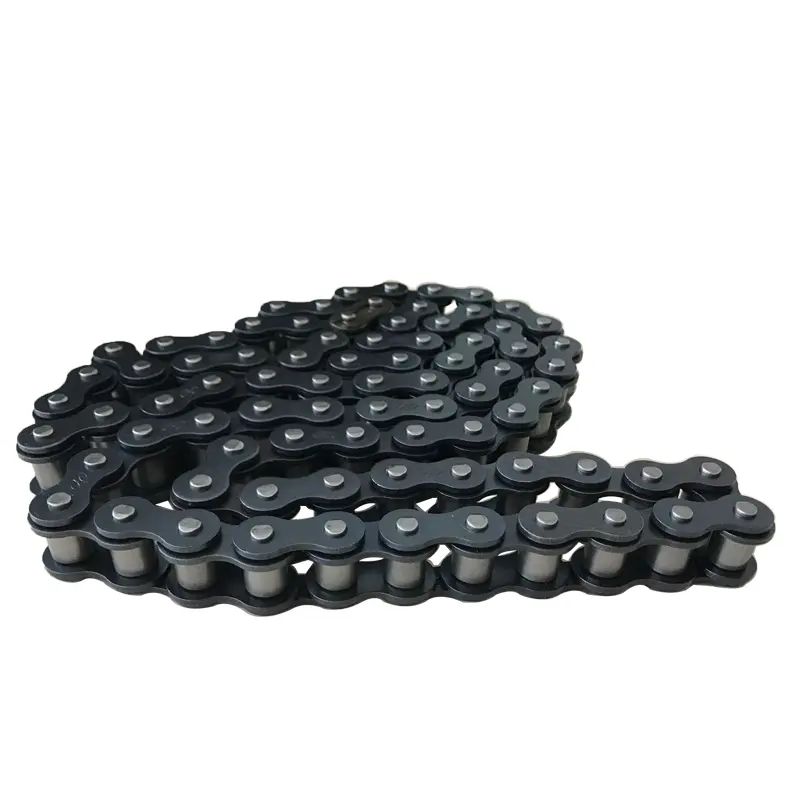
What are the benefits of using a low-noise transmission chain?
Using a low-noise transmission chain in industrial applications offers several advantages. Here’s a detailed answer to the question:
1. Noise Reduction: One of the primary benefits of using a low-noise transmission chain is the reduction in noise levels. These chains are designed with special features and materials to minimize vibrations, impact, and friction-induced noise during operation. This is particularly important in environments where noise reduction is critical, such as in residential areas, offices, or noise-sensitive industries.
2. Improved Workplace Environment: By reducing noise levels, low-noise transmission chains contribute to a more comfortable and productive workplace environment. Excessive noise can lead to employee fatigue, decreased concentration, and increased stress levels. Using low-noise chains helps create a quieter workspace, promoting better working conditions and overall well-being.
3. Compliance with Noise Regulations: In certain industries or regions, there are specific regulations or guidelines regarding acceptable noise levels. Using low-noise transmission chains can help ensure compliance with these regulations, avoiding potential fines or legal issues related to excessive noise emissions.
4. Enhanced Equipment Performance: Low-noise transmission chains are designed to provide smooth and efficient power transmission while minimizing noise generation. The reduction in vibration and impact noise not only improves the comfort of the workplace but also enhances the overall performance of the equipment. It can contribute to better precision, accuracy, and reliability of the machinery, leading to improved product quality and operational efficiency.
5. Extended Equipment Lifespan: Excessive noise and vibration can accelerate wear and tear on machinery components, leading to increased maintenance and premature failure. By using a low-noise transmission chain, the impact on the equipment’s mechanical parts is reduced, resulting in less wear, lower maintenance costs, and extended equipment lifespan.
6. Customer Satisfaction: In industries where noise can affect the end-user experience, such as automotive, consumer electronics, or precision engineering, using low-noise transmission chains can contribute to higher customer satisfaction. Products that operate quietly are often perceived as higher quality and can lead to a positive brand image and customer loy alty.
It’s important to note that the benefits of low-noise transmission chains may vary depending on the specific application and operating conditions. Manufacturers and equipment designers should consider factors such as load capacity, speed, lubrication, and environmental requirements when selecting and implementing low-noise transmission chains.
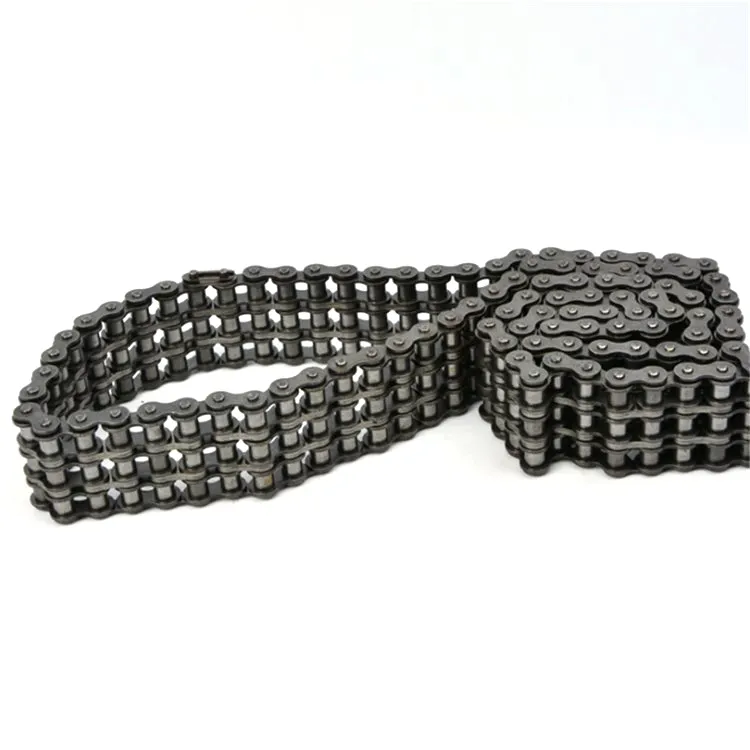
What are the advantages of using a flame-retardant transmission chain?
Flame-retardant transmission chains offer specific benefits in certain applications where fire safety is a concern. Here’s a detailed answer to the question:
1. Fire Protection: The primary advantage of using a flame-retardant transmission chain is enhanced fire protection. These chains are designed with materials and coatings that have high resistance to ignition and flame spread. In the event of a fire, they help to minimize the risk of the chain contributing to the spread of flames.
2. Safety: Flame-retardant transmission chains contribute to overall safety in environments where fire hazards are present. By reducing the flammability of the chain, they help prevent the chain from igniting or sustaining a fire, protecting personnel and property.
3. Compliance with Fire Regulations: In industries or applications where fire safety regulations are stringent, using flame-retardant transmission chains ensures compliance with these requirements. It helps to meet the necessary standards and regulations for fire prevention and protection.
4. Extended Escape Time: In situations where personnel may need to evacuate quickly during a fire, flame-retardant transmission chains can provide valuable additional time for safe evacuation. By resisting ignition and flame propagation, they help maintain structural integrity and delay the spread of fire.
5. Property Protection: Flame-retardant transmission chains help protect valuable equipment, machinery, and assets from fire damage. By reducing the risk of the chain catching fire, they minimize the potential for equipment failure and subsequent loss or damage.
It’s important to note that flame-retardant transmission chains may have specific design considerations and limitations. They are typically used in applications where fire safety is critical, such as in transportation systems, aerospace, mining, and other industries where the risk of fire is high. Selecting the appropriate flame-retardant chain requires considering the specific requirements of the application and ensuring compliance with relevant fire safety standards and regulations.

What are the key components of a transmission chain?
A transmission chain consists of several key components that work together to transmit power and motion efficiently. The main components of a transmission chain include:
- Inner Plates: These are flat metal plates with holes or slots for connecting the other components of the chain.
- Outer Plates: Similar to inner plates, outer plates provide additional strength and support to the chain.
- Pins: The pins hold the inner and outer plates together, creating a flexible link between them. They play a crucial role in maintaining the integrity and functionality of the chain.
- Bushings: Bushings are cylindrical components that fit into the holes of the inner and outer plates. They provide a smooth surface for the chain to rotate around the pins.
- Rollers: Rollers are cylindrical elements that fit between the inner plates and the bushings. They reduce friction and enable smooth movement as the chain engages with the sprockets.
- Solid Bushings (optional): In some transmission chains, solid bushings may be used instead of bushings with holes. Solid bushings provide additional strength and stability to the chain.
- Sprockets: Sprockets are toothed wheels that engage with the rollers of the transmission chain. They transfer power and motion to the chain, enabling it to drive various machinery and equipment.
These components work together to form a continuous loop that transmits power from the driving sprocket to the driven sprocket, allowing the chain to transfer rotational motion and drive various mechanical systems.


editor by CX 2024-01-10