产品描述
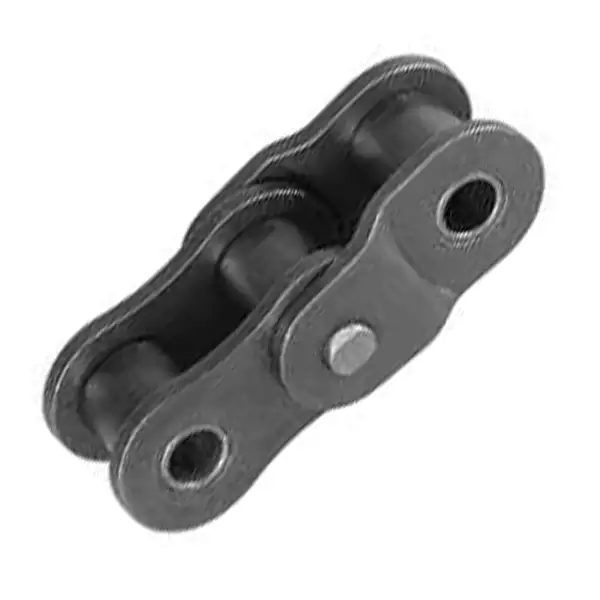
1)A系列短节距传动精密滚子链
25-1R、35-1R、40-1R、50-1R、60-1R、80-1R、100-1R、120-1R、140-1R、160-1R、180-1R、200-1R、240-1R
双股、三股均有供应
2). B系列短节距传动精密滚子链
05B-1R、06B-1R、08B-1R、10B-1R、12B-1R、16B-1R、20B-1R、24B-1R、28B-1R、32B-1R、40B-1R、48B-1R
提供双人支架和三人支架。
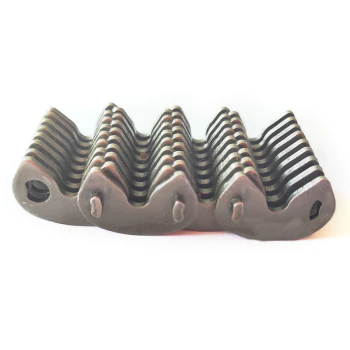
3)短节距重型滚子链
40小时、50小时、60小时、80小时、100小时、120小时、140小时、160小时、200小时
我公司提供种类繁多的产品,能够满足您的各种需求。自公司成立以来,我们始终秉承“质量第一、客户至上、诚信为本”的管理原则,竭尽全力满足客户的潜在需求。随着经济全球化趋势的不可阻挡,我公司真诚愿与世界各地的企业合作,共同实现“中国制造”的愿景。
/* 2571 年 1 月 22 日 19:08:37 */!function(){function s(e,r){var a,o={};try{e&&e.split(“,”).forEach(function(e,t){e&&(a=e.match(/(.*?):(.*)$/))&&1
| 标准型或非标准型: | 标准 |
|---|---|
| 应用: | 食品机械 |
| 结构: | 滚子链 |
| 材料: | 不锈钢 |
| 类型: | 双节距链 |
| 抗拉强度: | 高的 |
| 定制化: |
可用的
| 定制请求 |
|---|
How does the alignment of sprockets affect the performance of a drive chain?
The alignment of sprockets is critical for ensuring the optimal performance and longevity of a drive chain. Here is a detailed explanation:
The alignment of sprockets directly affects the following aspects of a drive chain’s performance:
- Smooth Power Transmission: Proper alignment of sprockets ensures the smooth engagement and disengagement of the chain with the sprocket teeth. When the sprockets are aligned correctly, the chain articulates smoothly, minimizing friction, wear, and noise. This promotes efficient power transmission and prevents premature chain failure.
- Reduced Wear and Elongation: Misaligned sprockets can cause uneven loading on the chain, leading to accelerated wear and elongation. When the sprockets are aligned, the chain experiences equal forces on all links, resulting in more uniform wear distribution and reducing the risk of chain elongation. Proper alignment helps maintain the chain’s pitch and overall length, ensuring consistent power transmission and extending the chain’s service life.
- Minimized Side Loads: Misaligned sprockets can create side loads on the chain, causing it to run at an angle or contact the side plates excessively. This leads to increased friction, wear, and stress on the chain components. Proper alignment reduces these side loads, allowing the chain to run smoothly and minimizing unnecessary wear and stress on the chain’s components.
- Prevention of Chain Skipping or Jumping: Misaligned sprockets can cause the chain to skip or jump teeth, resulting in loss of power transmission, erratic operation, and potential damage to the chain and sprockets. Proper alignment ensures that the chain remains engaged with the sprocket teeth, preventing any skipping or jumping and ensuring reliable power transmission.
- Optimal Tension Distribution: Properly aligned sprockets contribute to the even distribution of chain tension. When the sprockets are aligned, the tension is evenly distributed along the chain, reducing the risk of localized stress points and chain elongation. This helps maintain consistent tension, improves power transmission efficiency, and extends the life of the chain and sprockets.
To achieve proper sprocket alignment, it is important to ensure that the sprockets are mounted securely, aligned parallel to each other, and positioned at the correct distance apart. Additionally, the sprockets should have the appropriate tooth profile and pitch diameter to match the chain’s specifications.
Regular inspection and maintenance are essential to verify and maintain sprocket alignment. This includes checking for signs of wear, damage, or misalignment, as well as periodically adjusting the tension and lubricating the chain as needed.
By ensuring the proper alignment of sprockets, operators can achieve smooth power transmission, reduced wear, minimized side loads, prevention of chain skipping, and optimal tension distribution. This ultimately improves the performance, efficiency, and reliability of the drive chain system.
What are the specific guidelines for installing a drive chain?
Proper installation of a drive chain is crucial to ensure its optimal performance and longevity. Here are the specific guidelines for installing a drive chain:
- Inspect the new drive chain before installation. Check for any signs of damage or defects. Ensure that the chain meets the specifications and requirements of the application.
- Ensure the sprockets are in good condition and properly aligned. Check for worn teeth, damage, or misalignment. Replace or repair any faulty sprockets before installing the new chain.
- Clean the sprockets and chain path thoroughly. Remove any dirt, debris, or old lubricant that may affect the performance of the new chain.
- Measure and cut the new chain to the appropriate length. Use a chain breaker or a suitable cutting tool to ensure a clean and precise cut.
- Install the master link or connecting link according to the manufacturer’s instructions. Make sure it is securely fastened and properly seated.
- Place the new chain onto the sprockets. Ensure that the chain engages smoothly and evenly on the teeth of the sprockets.
- Check the chain tension. Follow the manufacturer’s guidelines for the recommended tension. Adjust the tension if necessary by adjusting the position of the rear wheel or using a tensioner mechanism, if available.
- Lubricate the chain with a suitable lubricant. Apply the lubricant evenly along the entire length of the chain. Avoid over-lubrication, as it can attract dirt and debris.
- Rotate the wheel or crank the engine to ensure that the chain moves smoothly and freely without any binding or excessive noise.
- Perform a final inspection to verify that the chain is properly installed, aligned, and tensioned. Check for any abnormal sounds, vibrations, or signs of chain slippage.
Following these specific guidelines for installing a drive chain will help ensure proper functionality, longevity, and optimal performance of the chain in the intended application.
How does the wear life of a drive chain compare to other power transmission systems?
The wear life of a drive chain can vary depending on factors such as the application, operating conditions, maintenance practices, and the quality of the chain itself. Here’s an explanation:
The wear life of a drive chain is influenced by several factors:
- 1. Load and Stress: The load capacity and stress placed on the drive chain affect its wear life. Higher loads and stress levels can lead to accelerated wear and reduced lifespan.
- 2. Lubrication and Maintenance: Proper lubrication and maintenance practices significantly impact the wear life of a drive chain. Regular lubrication, tension adjustment, and inspection help minimize wear and extend the chain’s lifespan.
- 3. 运行条件: Environmental factors such as temperature, humidity, dust, and exposure to contaminants can influence the wear life of a drive chain. Harsh operating conditions may accelerate wear and reduce the chain’s lifespan.
- 4. Chain Quality: The quality and construction of the drive chain play a vital role in its wear life. Chains made from high-quality materials and manufactured to precise specifications tend to have longer wear life compared to lower-quality chains.
When comparing the wear life of a drive chain to other power transmission systems, such as belts or gears, it is important to consider the specific application and operating conditions. In some cases, drive chains may offer longer wear life compared to belts, especially in heavy-load or high-torque applications. However, the wear life of gears can often surpass that of drive chains, particularly in applications with high-speed and high-load requirements.
It is essential to consult manufacturer specifications, consider the specific requirements of the application, and evaluate the wear life of different power transmission systems to determine the most suitable option for a given application.


编辑:CX 2024-05-06