Product Description
Product Description
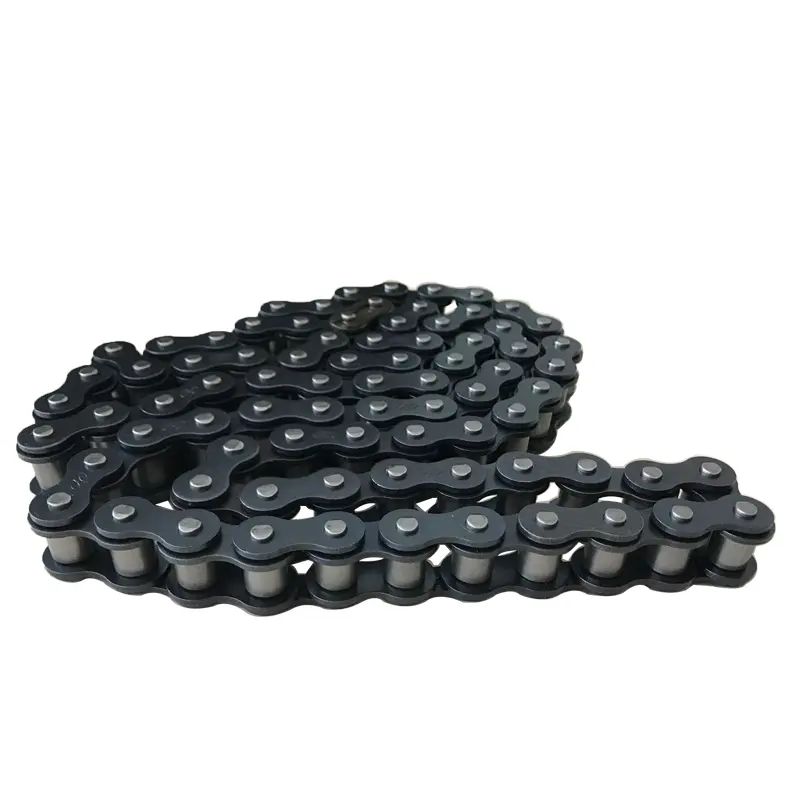
| Item Name | Agricultural Roller Chains | Model | Standard |
| Row | / | Application | Machinery Parts |
| Suiface Treament | netural/sand-blasted/shot-peening | Certification | ISO, ANSI, DIN, BS |
| Packing | Packaged in boxes and wooden cases, or packaged in reels and then on pallets | Port | Any sea port or airport in china |
Agricultural chains, also known as farm machinery chains, are specifically designed for use in
agricultural equipment and machinery. These chains are used to transmit power from the tractor
to various attachments, such as plows, cultivators, and harvesters.
Agricultural chains are made from high-quality materials that are resistant to wear and corrosion.
They are designed to withstand the harsh conditions of the farm, including exposure to dirt, dust,
and debris. These chains are available in a variety of sizes and configurations to fit different
types of farm machinery.
In addition to their strength and durability, agricultural chains are also designed to provide smooth
and efficient power transmission. This helps to increase the productivity of the equipment and
reduce downtime for maintenance and repairs.
Overall, agricultural chains play a critical role in the operation of farm machinery, ensuring that
farmers can efficiently and effectively carry out their work.
Other Products
Company Profile
Packaging & Shipping
After Sales Service
Contact us
/* March 10, 2571 17:59:20 */!function(){function s(e,r){var a,o={};try{e&&e.split(“,”).forEach(function(e,t){e&&(a=e.match(/(.*?):(.*)$/))&&1
| Standard or Nonstandard: | Standard |
|---|---|
| Application: | Textile Machinery, Garment Machinery, Conveyer Equipment, Packaging Machinery, Electric Cars, Motorcycle |
| Surface Treatment: | Netural/Sand-Blasted/Shot-Peening |
| Structure: | Roller Chain |
| Material: | Carbon Steel |
| Type: | Short Pitch Chain |
| Samples: |
US$ 3.45/Meter
1 Meter(Min.Order) | |
|---|
| Customization: |
Available
| Customized Request |
|---|
How does the design of a transmission chain impact its efficiency?
The design of a transmission chain plays a crucial role in determining its efficiency and overall performance. Here’s a detailed explanation:
1. Link Shape and Geometry: The shape and geometry of the chain links directly affect the efficiency of power transmission. Chains with optimized link designs, such as streamlined or curved profiles, reduce friction and minimize energy losses during operation. These design features enhance the chain’s efficiency and contribute to smoother power transfer.
2. Bearing Surfaces: The design and quality of bearing surfaces in a transmission chain significantly impact its efficiency. Well-designed chains incorporate precision-machined bearing surfaces that minimize friction and wear. Smooth and accurately machined surfaces reduce energy losses caused by friction, resulting in higher efficiency and improved overall performance.
3. Roller and Bushing Design: The design of the rollers and bushings in a transmission chain can greatly influence its efficiency. Chains with properly designed rollers and bushings reduce friction and enable smooth rotation. Low-friction contact surfaces between the rollers and sprockets ensure efficient power transmission, reducing energy waste and improving the overall efficiency of the chain.
4. Lubrication System: The design of the lubrication system within the chain also affects its efficiency. Proper lubrication reduces friction and wear, allowing the chain to operate more efficiently. Some transmission chains incorporate self-lubricating features or advanced lubrication mechanisms to ensure optimal lubrication throughout the chain, further improving efficiency.
5. Material Selection: The choice of materials for the chain’s components, such as links, rollers, and bushings, impacts its efficiency. High-quality materials with excellent wear resistance and low friction coefficients contribute to higher efficiency. Additionally, lightweight materials can reduce the overall weight of the chain, resulting in lower inertia and improved efficiency.
6. Precision Manufacturing: The precision and accuracy with which a transmission chain is manufactured can directly affect its efficiency. Chains produced with tight tolerances and high-quality manufacturing processes ensure proper fit, reduced friction, and optimal power transfer, resulting in improved efficiency.
It is important to note that the design considerations and features mentioned above can vary depending on the specific type and application of the transmission chain. Consulting with experts or manufacturers can provide further insights into the design features that optimize efficiency for a particular transmission chain.
Can transmission chains be used in high-torque applications?
Yes, transmission chains are commonly used in high-torque applications due to their ability to transmit power efficiently. Here’s a detailed answer to the question:
1. Robust Power Transmission: Transmission chains are designed to handle significant amounts of power transmission, including high-torque applications. They are capable of transferring torque from the driving source to the driven components effectively.
2. Load Capacity: Transmission chains are engineered to withstand heavy loads and high levels of torque. They are designed with appropriate material strength, chain pitch, and components to handle the specific torque requirements of the application.
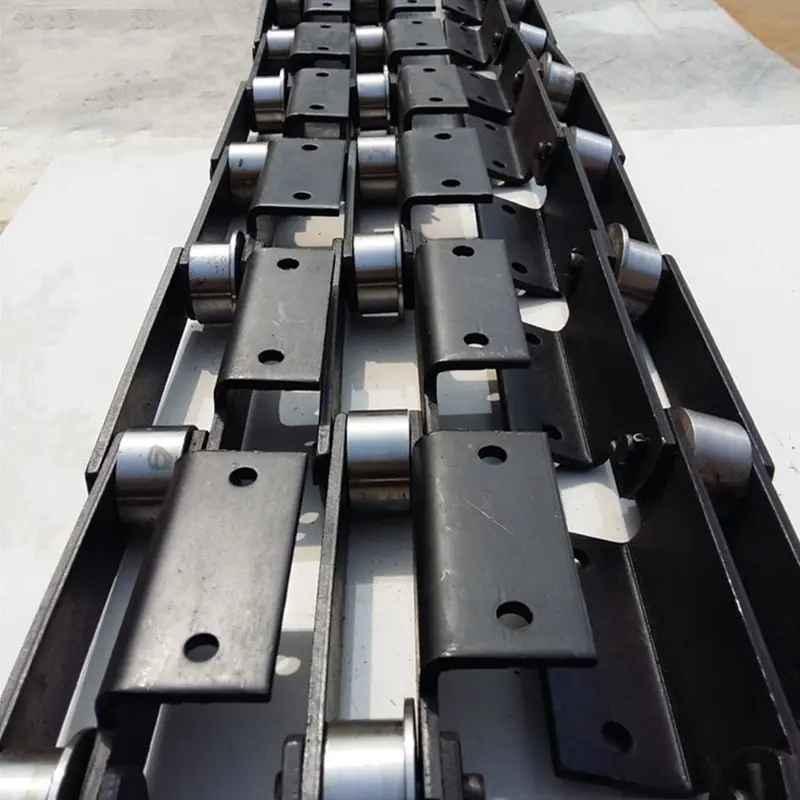
3. Diverse Applications: Transmission chains are utilized in various high-torque applications across industries such as automotive, construction, mining, agriculture, and manufacturing. They are commonly used in power transmission systems, machinery, equipment, conveyors, and other mechanisms that require efficient torque transfer.
4. Compatibility with Sprockets: Transmission chains work in conjunction with sprockets, which are designed to engage with the chain links and transfer torque. The design and selection of appropriate sprockets ensure smooth and reliable torque transmission in high-torque applications.
5. Strength and Durability: Transmission chains are manufactured using high-strength materials such as alloy steel, stainless steel, or heat-treated steels to provide the necessary strength and durability required for high-torque operations. These materials can withstand the forces generated by high levels of torque without premature wear or failure.
6. Proper Lubrication and Maintenance: To ensure optimal performance in high-torque applications, it is essential to maintain proper lubrication and perform regular maintenance on the transmission chain. Adequate lubrication reduces friction, heat generation, and wear, thereby prolonging the chain’s lifespan and preserving its torque transmission capabilities.
It’s important to consult with industry experts or manufacturers to select the appropriate transmission chain and ensure it meets the specific torque requirements of the application. Additionally, following recommended installation and maintenance practices will help maximize the performance and longevity of the transmission chain in high-torque applications.

What are the key components of a transmission chain?
A transmission chain consists of several key components that work together to transmit power and motion efficiently. The main components of a transmission chain include:
- Inner Plates: These are flat metal plates with holes or slots for connecting the other components of the chain.
- Outer Plates: Similar to inner plates, outer plates provide additional strength and support to the chain.
- Pins: The pins hold the inner and outer plates together, creating a flexible link between them. They play a crucial role in maintaining the integrity and functionality of the chain.
- Bushings: Bushings are cylindrical components that fit into the holes of the inner and outer plates. They provide a smooth surface for the chain to rotate around the pins.
- Rollers: Rollers are cylindrical elements that fit between the inner plates and the bushings. They reduce friction and enable smooth movement as the chain engages with the sprockets.
- Solid Bushings (optional): In some transmission chains, solid bushings may be used instead of bushings with holes. Solid bushings provide additional strength and stability to the chain.
- Sprockets: Sprockets are toothed wheels that engage with the rollers of the transmission chain. They transfer power and motion to the chain, enabling it to drive various machinery and equipment.
These components work together to form a continuous loop that transmits power from the driving sprocket to the driven sprocket, allowing the chain to transfer rotational motion and drive various mechanical systems.


editor by CX 2023-12-21