Product Description
Products Collection
Product Description
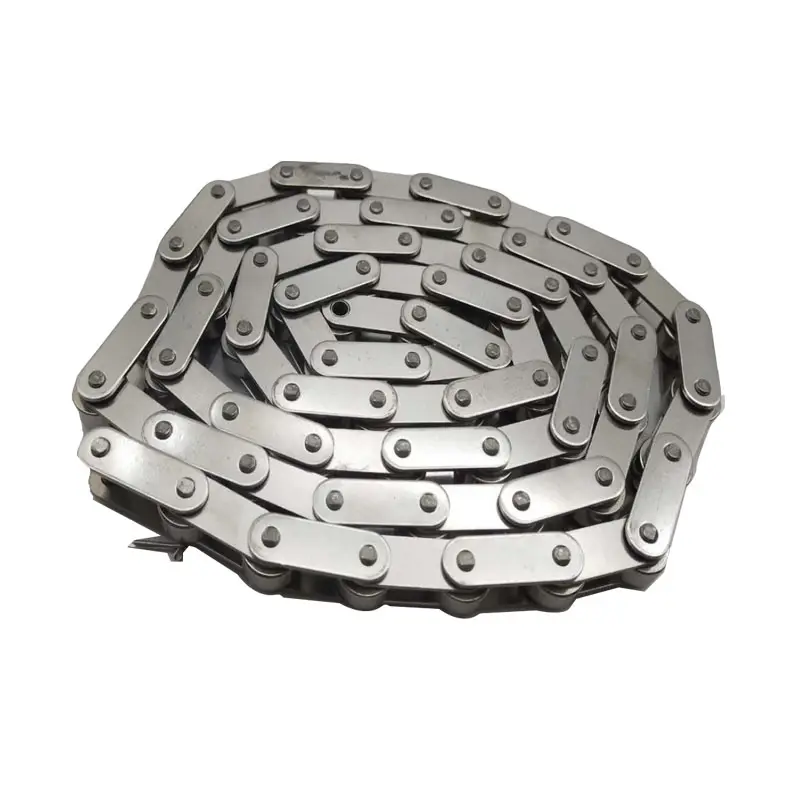
QLZ Chains feature symmetrically toothed link plates on both sides, enabling equal performance and precision during bilateral use. This design makes it an ideal solution for applications with changes in the direction of rotation or for multi-shaft drives. Their flexibility ensures they can easily handle these situations, providing reliable and consistent performance.
When you need a specific design, we can provide customised solutions based on what you need. Whether you require specific features, plans, materials, or specifications, our team can work to ensure you get a chain that fully meets your needs.
Are you looking for other chains?
Leave your message below, and feel free to contact us!
FAQ
| Question 1: Are you a Manufacturer or a Trading Company? |
| Answer: We are a 100% chain manufacturer with 23 years of experience |
| Question 2: What should I provide to get a quotation? |
| Answer: 1. Type of the chain (with photos if available) 2. Pitch of the chain 3. Width of the chain 4. Length and quantity of the chain 5. Other specific requirements |
| Question 3: How long is your manufacturing and delivery time? |
| Answer: Products are usually finished in 2 weeks, depending on the type and quantity. Also, please get in touch with us to check the delivery time to your destination. |
| Question 4: How long is your guaranteed time? |
| Answer: We offer a three-year guarantee if you purchase chains and matched sprockets together. If you need chains only, a one-year guarantee can also be confirmed. |
| Question 5: Trade terms and Payment terms? |
| Answer: We accept EXW, FOB, DDU, Door to Door. Payment terms, such as T/T, L/C, and Western Union, are acceptable. We also provide the service of Online Trading in this B2B platform. |
Company Profile
/* January 22, 2571 19:08:37 */!function(){function s(e,r){var a,o={};try{e&&e.split(“,”).forEach(function(e,t){e&&(a=e.match(/(.*?):(.*)$/))&&1
| Standard or Nonstandard: | Standard |
|---|---|
| Application: | Textile Machinery, Garment Machinery, Conveyer Equipment, Packaging Machinery, Food Machinery, Marine, Mining Equipment, Agricultural Machinery |
| Structure: | Tooth Chain |
| Samples: |
US$ 100/Meter
1 Meter(Min.Order) | Order Sample |
|---|
| Customization: |
Available
| Customized Request |
|---|
.shipping-cost-tm .tm-status-off{background: none;padding:0;color: #1470cc}
|
Shipping Cost:
Estimated freight per unit. |
about shipping cost and estimated delivery time. |
|---|
| Payment Method: |
|
|---|---|
|
Initial Payment Full Payment |
| Currency: | US$ |
|---|
| Return&refunds: | You can apply for a refund up to 30 days after receipt of the products. |
|---|
How does the chain tension affect the operation of a transmission chain?
Chain tension plays a crucial role in the operation of a transmission chain. Here’s a detailed explanation:
1. Proper Power Transmission: The tension in a transmission chain ensures the transfer of power from the driving sprocket to the driven sprocket. Adequate tension is necessary to prevent slippage and ensure efficient power transmission. Insufficient tension can lead to power loss, reduced efficiency, and potential chain disengagement, while excessive tension can cause excessive stress on the chain and other components.
2. Smooth Operation: Optimal chain tension promotes smooth and consistent operation of the transmission chain. It helps to maintain the engagement between the chain and the sprockets, ensuring a continuous and reliable transfer of rotational force. With proper tension, the chain runs smoothly over the sprocket teeth, minimizing vibrations, noise, and potential chain derailment.
3. Chain Wear and Fatigue: Improper chain tension can accelerate wear and fatigue of the transmission chain. Insufficient tension may cause the chain to ride on the sprocket teeth, leading to premature wear and elongation. On the other hand, excessive tension can increase stress on the chain, causing accelerated fatigue and potential failure of the chain or other components.
4. Component Life and Reliability: Maintaining the correct chain tension contributes to the longevity and reliability of the entire transmission system. Proper tension reduces the likelihood of chain elongation, excessive wear, and premature failure. By minimizing these issues, the lifespan of the transmission chain and related components, such as sprockets and bearings, is extended, leading to improved overall reliability and reduced maintenance costs.
5. Safety: Chain tension is also crucial for ensuring safe operation. An appropriately tensioned transmission chain reduces the risk of unexpected chain disengagement or derailment, which could result in accidents or equipment damage. It’s important to follow manufacturer’s guidelines or consult with experts to determine the recommended tension for specific chain types and applications.
Regular inspection and adjustment of chain tension are essential for maintaining optimal performance and safety. Monitoring the tension and making necessary adjustments can prevent premature wear, improve efficiency, and ensure the reliable operation of the transmission chain.
What are the benefits of using a lightweight transmission chain?
Using a lightweight transmission chain offers several advantages. Here’s a detailed answer to the question:
1. Improved Efficiency: A lightweight transmission chain reduces the overall weight of the system, resulting in improved energy efficiency. With less mass to move, the power required to drive the chain is reduced, leading to lower energy consumption.
2. Increased Power-to-Weight Ratio: The lightweight nature of the chain allows for a higher power-to-weight ratio. This means that a smaller, lighter chain can transmit the same amount of power as a heavier chain, making it suitable for applications where weight reduction is crucial, such as in portable or handheld equipment.
3. Reduced Inertia: The lower weight of the transmission chain reduces the inertia of the system. This enables faster acceleration and deceleration, resulting in improved response times and better overall performance in dynamic applications.
4. Easier Handling and Installation: Lightweight transmission chains are easier to handle and install compared to heavier chains. They require less effort and manpower during installation or maintenance activities, making them more convenient and time-saving.
5. Lower Wear and Tear: The reduced weight of the chain contributes to lower wear and tear on other components of the system, such as sprockets, bearings, and shafts. This can extend the lifespan of these components and reduce the frequency of maintenance and replacement.
6. Cost Savings: Using a lightweight transmission chain can result in cost savings in several ways. The reduced energy consumption leads to lower operating costs, and the lighter weight may allow for the use of smaller and less expensive supporting components.
It’s important to note that the choice of a lightweight transmission chain should be based on the specific application requirements. Factors such as load capacity, speed, operating environment, and compatibility with other system components should be considered to ensure that the lightweight chain meets the performance and durability needs of the application.
Are there specific lubrication requirements for transmission chains?
Yes, transmission chains typically require proper lubrication to ensure smooth operation, reduce wear, and prolong their service life. Here are some key points regarding lubrication requirements for transmission chains:
- Clean and Adequate Lubrication: It is important to keep the chain adequately lubricated to minimize friction and wear between the chain components. Lubrication helps reduce heat generation and prevents metal-to-metal contact, which can lead to premature wear and failure.
- Appropriate Lubricant Selection: Choosing the right lubricant is crucial for optimal chain performance. Factors to consider when selecting a lubricant include the application temperature, load conditions, speed, and environmental factors. Lubricants should have good adhesion properties, resist oxidation, and provide sufficient film strength to protect the chain surfaces.
- Proper Lubrication Interval: Regular lubrication at appropriate intervals is necessary to maintain the chain’s performance and reduce the risk of excessive wear. The lubrication frequency depends on the operating conditions and the specific lubricant used. Manufacturers usually provide recommendations for lubrication intervals based on the chain type and application.
- Effective Lubrication Application: Proper application of lubricant is essential to ensure uniform coverage and penetration into the chain components. The lubricant should be applied to the inner link plates, roller surfaces, and pin-bushing interfaces. Excess lubricant should be removed to prevent buildup and contamination.
- Environmental Considerations: In certain environments, such as dusty or dirty conditions, the chain may require more frequent lubrication to prevent the ingress of contaminants and maintain proper lubrication film. Additionally, in high-temperature or high-speed applications, special high-temperature or high-speed lubricants may be necessary.
- Regular Inspection and Maintenance: Along with proper lubrication, regular inspection and maintenance of the transmission chain are essential. This includes checking for signs of wear, lubricant degradation, and proper tension. Any damaged or worn components should be replaced promptly to prevent chain failure.
Following the manufacturer’s recommendations and adhering to the specific lubrication requirements for the transmission chain will help ensure optimal performance, reduce wear, and extend the chain’s lifespan.


editor by CX 2024-05-03