Product Description
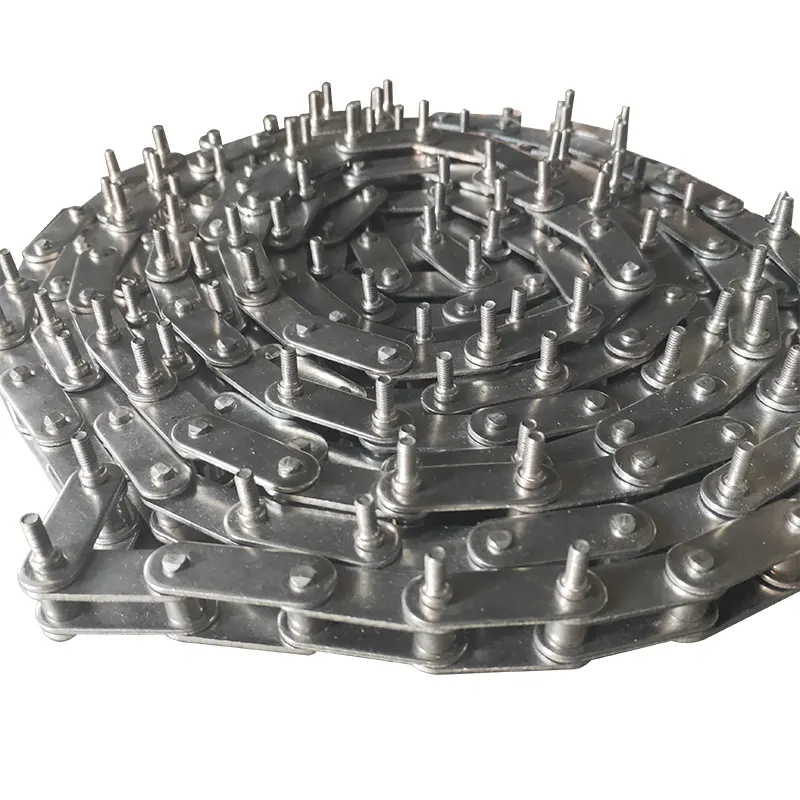
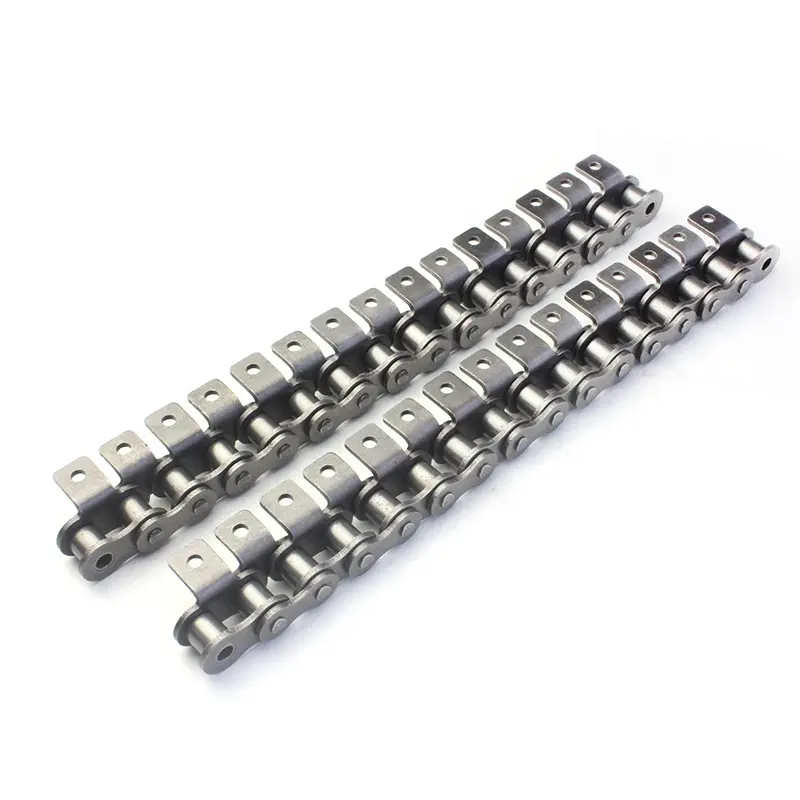
Duplex Short Pitch Precision Conveyor Roller Chain Transmission Chain (DIN764)
SHORT PITCH PRECISSION ROLLER CHAINS (B SERIES)
Material: Alloy Steel
Surface Treatment: Shot Peening / Blacking / Blueing
Main Application: Idustry machinery
ANSI CHAIN NO.: 05B-2 06B-2 10B-2 12B-2 16B-2 20B-2 24B-2 28B-2 32B-2 40B-2 48B-2 56B-2 72B-2
Pitch:8 9.525 12.7 15.875 19.05 25.4 31.75 38.1 44.45 50.8 63.5 76.2 88.9 101.6 114.3
| Product name | Duplex Short Pitch Precision Roller Chain (B series) Chain (DIN764) |
| Materials Available | 1. Stainless Steel: SS201, SS303, SS304, SS316, SS416, SS420 |
| 2. Steel:C45(K1045), C46(K1046),C20 | |
| 3. Brass:C36000 ( C26800), C37700 ( HPb59), C38500( HPb58), C27200(CuZn37), C28000(CuZn40) | |
| 4. Bronze: C51000, C52100, C54400, etc | |
| 5. Iron: 1213, 12L14,1215 | |
| 6. Aluminum: Al6061, Al6063 | |
| 7.OEM according to your request | |
| Surface Treatment | Annealing, natural anodization, heat treatment, polishing, nickel plating, chrome plating, znic plating,yellow passivation, gold passivation, satin, Black surface painted etc. |
| Products Available | sprockt chains, pulley, shafts(axles, spline shafts, dart shafts),gears (pinions, wheels gear rack) bearing, bearing seat, bushing, coupling, lock assembly etc. |
| Processing Method | CNC machining, punch,turning, milling, drilling, grinding, broaching, welding and assembly |
| QC : | Technicians self-check in production,final-check before package by professional Quality inspector |
| Size | Drawings |
| Package | Wooden Case/Container and pallet, or as per customized specifications |
| Certificate | ISO9001:2008 , ISO14001:2001,ISO/TS 16949:2009 |
| Advantage | Quality first Service superior , Advanced equipment,Experienced workers,Perfect testing equipment |
| Lead Time | 15-25days samples. 30-45days offcial order |
1. Are you manufacturer or trade Company?
We are a factory founded in 1991 with trade team for international service.
2. What terms of payment you usually use?
T/T 30% deposit and 70% against document, Western Union, L/C at sight
3. what is your lead time for your goods?
Normally 45 days after confirmed order. 30 days could be available in low season for some items (during May to July), and 65 days during new year and hot season ( Jan to March).
4. Do you attend any Show?
We attend Hannover show in Germany, NMW in Austrilia, Canton fair, PTC, in China and many other special furniture shows.
/* January 22, 2571 19:08:37 */!function(){function s(e,r){var a,o={};try{e&&e.split(“,”).forEach(function(e,t){e&&(a=e.match(/(.*?):(.*)$/))&&1
| Usage: | Transmission Chain |
|---|---|
| Material: | Alloy/Carbon Steel |
| Surface Treatment: | Polishing |
| Feature: | Heat Resistant |
| Chain Size: | 1/2"*3/32" |
| Structure: | Roller Chain |
| Customization: |
Available
| Customized Request |
|---|

How does the choice of chain attachment affect the functionality of a transmission chain?
The choice of chain attachment plays a critical role in the functionality and performance of a transmission chain. Here’s a detailed answer to the question:
1. Load Capacity: Different chain attachments are designed to handle specific types and amounts of loads. The selection of the appropriate attachment is crucial to ensure that the transmission chain can safely and efficiently carry the intended load. The type of attachment, such as extended pins, cleats, or slats, can determine the chain’s ability to handle heavy or irregular loads.
2. Application Compatibility: The choice of chain attachment should align with the specific application requirements. Different industries and applications may require specialized attachments that are designed to address particular challenges or provide specific functionalities. For example, attachments used in conveying systems may include rollers, flights, or grippers to facilitate smooth material transfer.
3. Alignment and Tracking: Certain chain attachments, such as guide rails or track systems, help to ensure proper alignment and tracking of the transmission chain. These attachments minimize the risk of chain derailment or misalignment, which can lead to operational issues and reduced efficiency.
4. Positioning and Orientation: Some applications require precise positioning or orientation of objects or components. Chain attachments, such as indexing pins or brackets, are designed to facilitate accurate positioning or rotation of objects along the chain’s path. These attachments contribute to the reliable and precise operation of the transmission chain.
5. Material Handling: In material handling applications, chain attachments are often used to secure or hold items during transport. Attachments like hooks, clamps, or brackets enable the secure attachment of objects to the chain, preventing slippage or displacement during movement. This ensures safe and efficient material handling operations.
6. Specialized Functions: Chain attachments can provide additional functions based on specific application requirements. For example, attachments such as sensors, RFID tags, or lubrication reservoirs can be integrated into the chain design to enable monitoring, tracking, or lubrication functions. These specialized attachments enhance the overall functionality and performance of the transmission chain.
It’s important to select the appropriate chain attachment based on the specific application needs, load requirements, and desired functionality. Consulting with industry experts or chain manufacturers can help in determining the most suitable attachment options for optimal transmission chain performance.
How does the choice of material impact the performance of a transmission chain?
The choice of material for a transmission chain plays a crucial role in its overall performance and durability. Here’s a detailed answer to the question:
1. Strength and Load Capacity: Different materials have varying levels of strength and load-carrying capacities. High-strength materials like alloy steel or stainless steel offer superior strength and can withstand heavy loads. The choice of a material with adequate strength ensures that the transmission chain can handle the required load without premature wear or failure.
2. Wear Resistance: The material used in the construction of a transmission chain affects its wear resistance. Some materials, such as hardened steel or certain alloys, have excellent wear resistance properties, allowing the chain to withstand abrasive conditions and prolong its lifespan. Choosing a material with good wear resistance reduces the need for frequent chain replacements and maintenance.
3. Corrosion Resistance: In environments where corrosion is a concern, such as outdoor or corrosive industrial settings, selecting a material with high corrosion resistance is essential. Stainless steel or specially coated chains offer excellent resistance to rust and corrosion, ensuring reliable performance and longevity even in harsh conditions.
4. Fatigue Strength: The material’s fatigue strength is crucial in applications where the transmission chain undergoes repeated cyclic loading. Fatigue failure can occur when a chain is subjected to continuous stress cycles, leading to cracks and eventual failure. Materials with high fatigue strength, such as specific alloys or heat-treated steels, are ideal for applications that require excellent fatigue resistance.
5. Temperature Resistance: The operating temperature of an application can impact the choice of material for a transmission chain. Some materials, such as heat-treated steels or specialized alloys, can withstand high-temperature environments without losing their mechanical properties. In contrast, certain plastics or polymers may be suitable for low-temperature applications. Choosing a material that can withstand the expected temperature range ensures optimal performance and prevents premature chain failure.
6. Cost Considerations: The choice of material also involves cost considerations. Some high-performance materials, such as stainless steel or specialized alloys, may have a higher initial cost compared to standard carbon steel chains. However, the increased performance, longevity, and reduced maintenance requirements provided by these materials may result in long-term cost savings.
It’s important to carefully assess the specific requirements of the application, including load capacity, environmental conditions, and operating parameters, when choosing the material for a transmission chain. Consulting with industry experts or manufacturers can help determine the most suitable material for optimal chain performance and longevity.
How do you choose the right transmission chain for a specific application?
Choosing the right transmission chain for a specific application is crucial to ensure optimal performance and longevity. Here are the key factors to consider when selecting a transmission chain:
- Load Capacity: Determine the maximum load that the chain will need to transmit. This includes both the static and dynamic loads. Ensure that the selected chain has a sufficient load capacity to handle the application requirements.
- Speed and RPM: Consider the operating speed and rotational speed of the chain. Higher speeds may require chains with improved fatigue resistance and lubrication capabilities.
- Environment: Evaluate the environmental conditions in which the chain will operate. Factors such as temperature, moisture, dust, chemicals, and corrosive agents can impact chain performance. Choose a chain that is resistant to the specific environmental conditions.
- Alignment and Tension: Ensure proper alignment and tensioning of the chain. Misalignment and improper tension can lead to premature wear and failure. Select a chain that allows for proper adjustment and maintains optimal tension during operation.
- Maintenance: Consider the maintenance requirements of the chain. Some chains may require regular lubrication, while others may be self-lubricating or maintenance-free. Evaluate the available resources and the desired level of maintenance for the application.
- Compatibility: Ensure compatibility between the chain and other components in the transmission system, such as sprockets or gears. The chain should match the tooth profile and pitch of the mating components.
- Manufacturer’s Recommendations: Consult the manufacturer’s guidelines and recommendations for selecting the appropriate chain for specific applications. Manufacturers often provide detailed specifications, load charts, and application guidelines for their chains.
By considering these factors and consulting with chain manufacturers or industry experts, you can choose the right transmission chain that meets the specific requirements of your application, ensuring reliable and efficient operation.


editor by CX 2024-04-03