Product Description
|
Product |
Standard Double Pitch Roller chain |
||
|
Material |
40Mn steel,304 stainless steel, 316 stainless steel and 201 stainless steel. |
||
|
Types |
Standard chains and special chains, such as A or B series chains, roller chains, driving chains, conveyor chains, hoisting chains, agricultural chains, sprockets, gears, wheels and so on. |
||
|
Series |
A series(12.7-50.8mm pitches),B series (9.525-50.8mm pitches)and the heavy series. |
||
|
Short pitch precision roller chain |
Simplex Roller Chains&Bushing Chains: 04C-1,06C-1,085-1,08A-1,10A-1,12A-1,16A-1,20A-1,24A-1,28A-1,32A-1,36A-1,40A-1,48A-1 04C-2,06C-2,085-2,08A-2,10A-2,12A-2,16A-2,20A-2,24A-2,28A-2,32A-2,36A-2,40A-2,48A-2 04C-3,06C-2,085-3,08A-3,10A-3,12A-3,16A-3,20A-3,24A-3,28A-3,32A-3,36A-3,40A-3,48A-3 |
||
|
Chain link type |
Standard links (without attachment) and non-standard links (with attachment).
A1: One-side,one hole cranked attachments. |
||
|
Our Products Advantage |
1. Every step from production order to the packing process has a strict quality inspection. |
||
1.Fast delivery: Standard products can be delivered in as fast as 20 days
2.Good service: timely reply, prompt quotation, responsible for the product
3.High cost performance: can maintain price stability for a certain period of time, bringing greater profits to customers
4.Good quality: production and testing have corresponding supervision to ensure product quality and get high praise from customers
5.OEM service: products can be customized according to drawings and requirements
We are responsible for the ordered products. We are very confident in the products we produce. Of course, if you have any problems after receiving the goods, you can contact us directly. We will confirm and negotiate in time to solve your difficulties.
/* January 22, 2571 19:08:37 */!function(){function s(e,r){var a,o={};try{e&&e.split(“,”).forEach(function(e,t){e&&(a=e.match(/(.*?):(.*)$/))&&1
| Standard or Nonstandard: | Standard |
|---|---|
| Application: | Textile Machinery, Garment Machinery, Conveyer Equipment, Packaging Machinery, Electric Cars, Motorcycle, Food Machinery, Mining Equipment, Agricultural Machinery, Car |
| Surface Treatment: | Oil Blooming |
| Samples: |
US$ 35/kg
1 kg(Min.Order) | Order Sample |
|---|
| Customization: |
Available
| Customized Request |
|---|
.shipping-cost-tm .tm-status-off{background: none;padding:0;color: #1470cc}
| Shipping Cost:
Estimated freight per unit. |
about shipping cost and estimated delivery time. |
|---|
| Payment Method: |
|
|---|---|
|
Initial Payment Full Payment |
| Currency: | US$ |
|---|
| Return&refunds: | You can apply for a refund up to 30 days after receipt of the products. |
|---|
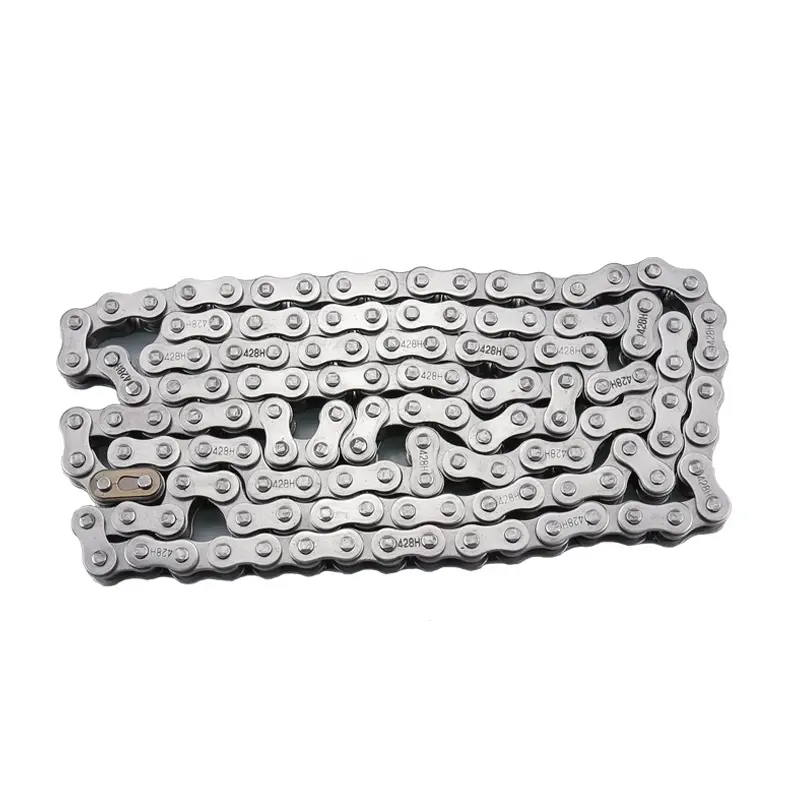
What are the benefits of using a maintenance-free lubricant on a transmission chain?
Using a maintenance-free lubricant on a transmission chain offers several advantages. Here’s a detailed answer to the question:
1. Extended Chain Life: Maintenance-free lubricants are specifically formulated to provide long-lasting lubrication, reducing friction and wear on the transmission chain. This extends the chain’s life and minimizes the need for frequent lubrication or reapplication.
2. Reduced Downtime and Maintenance Costs: With a maintenance-free lubricant, there is no need for regular lubrication or scheduled maintenance intervals. This significantly reduces downtime for lubrication and maintenance tasks, resulting in cost savings and increased productivity.
3. Improved Performance and Efficiency: The use of a maintenance-free lubricant ensures consistent and optimal lubrication throughout the chain’s operation. This leads to improved performance, smoother operation, and reduced power losses due to friction. It also helps maintain the chain’s efficiency over time.
4. Environmentally Friendly: Maintenance-free lubricants often have low environmental impact. They are designed to minimize leakage, reduce waste, and offer better resistance to dirt and debris accumulation. This promotes a cleaner and safer working environment.
5. Simplified Maintenance Routine: By using a maintenance-free lubricant, the need for regular lubrication and maintenance procedures is eliminated or significantly reduced. This simplifies the maintenance routine, saves time, and allows operators to focus on other critical tasks.
6. Consistent Lubrication in Challenging Environments: Maintenance-free lubricants are engineered to withstand harsh operating conditions, such as high temperatures, extreme pressures, or exposure to contaminants. They provide reliable lubrication even in challenging environments, ensuring proper chain performance and longevity.
When considering the use of a maintenance-free lubricant, it’s important to consult with the manufacturer or lubricant supplier to ensure compatibility with the transmission chain and its specific application requirements. Following the recommended guidelines for application and reapplication, as well as regular inspections, will help optimize the benefits of using a maintenance-free lubricant on the transmission chain.
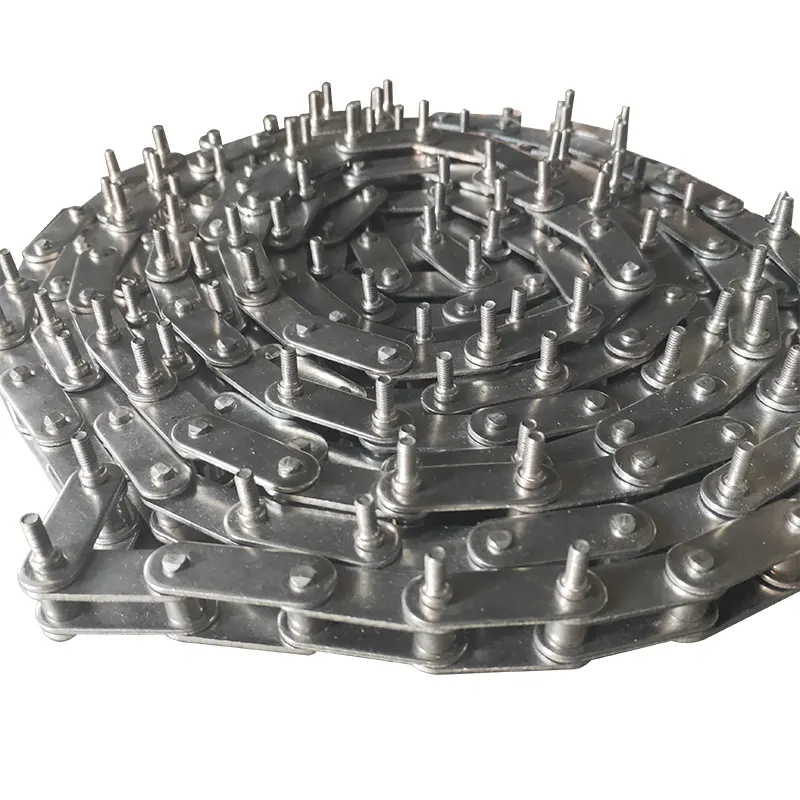
How does the choice of material impact the performance of a transmission chain?
The choice of material for a transmission chain plays a crucial role in its overall performance and durability. Here’s a detailed answer to the question:
1. Strength and Load Capacity: Different materials have varying levels of strength and load-carrying capacities. High-strength materials like alloy steel or stainless steel offer superior strength and can withstand heavy loads. The choice of a material with adequate strength ensures that the transmission chain can handle the required load without premature wear or failure.
2. Wear Resistance: The material used in the construction of a transmission chain affects its wear resistance. Some materials, such as hardened steel or certain alloys, have excellent wear resistance properties, allowing the chain to withstand abrasive conditions and prolong its lifespan. Choosing a material with good wear resistance reduces the need for frequent chain replacements and maintenance.
3. Corrosion Resistance: In environments where corrosion is a concern, such as outdoor or corrosive industrial settings, selecting a material with high corrosion resistance is essential. Stainless steel or specially coated chains offer excellent resistance to rust and corrosion, ensuring reliable performance and longevity even in harsh conditions.
4. Fatigue Strength: The material’s fatigue strength is crucial in applications where the transmission chain undergoes repeated cyclic loading. Fatigue failure can occur when a chain is subjected to continuous stress cycles, leading to cracks and eventual failure. Materials with high fatigue strength, such as specific alloys or heat-treated steels, are ideal for applications that require excellent fatigue resistance.
5. Temperature Resistance: The operating temperature of an application can impact the choice of material for a transmission chain. Some materials, such as heat-treated steels or specialized alloys, can withstand high-temperature environments without losing their mechanical properties. In contrast, certain plastics or polymers may be suitable for low-temperature applications. Choosing a material that can withstand the expected temperature range ensures optimal performance and prevents premature chain failure.
6. Cost Considerations: The choice of material also involves cost considerations. Some high-performance materials, such as stainless steel or specialized alloys, may have a higher initial cost compared to standard carbon steel chains. However, the increased performance, longevity, and reduced maintenance requirements provided by these materials may result in long-term cost savings.
It’s important to carefully assess the specific requirements of the application, including load capacity, environmental conditions, and operating parameters, when choosing the material for a transmission chain. Consulting with industry experts or manufacturers can help determine the most suitable material for optimal chain performance and longevity.
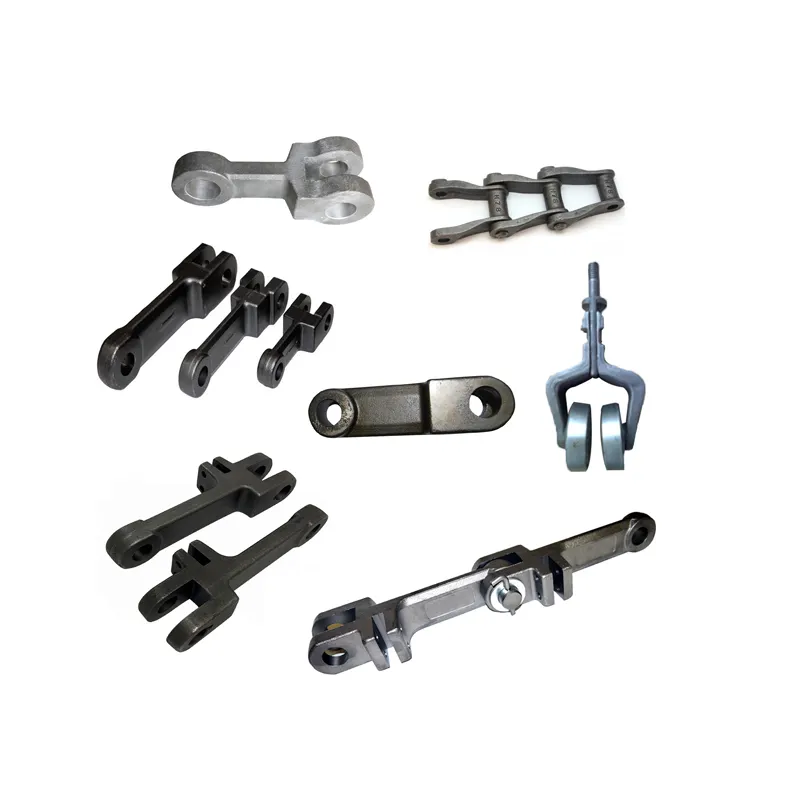
What are the maintenance requirements for transmission chains?
Maintenance plays a crucial role in ensuring the optimal performance and longevity of transmission chains. Here’s a detailed explanation:
1. Regular Inspection: Regular visual inspections should be conducted to check for any signs of wear, damage, or misalignment. Inspect the chain for signs of elongation, corrosion, broken or damaged links, and excessive wear on the sprockets.
2. Lubrication: Proper lubrication is essential to minimize friction, reduce wear, and extend the life of the chain. Follow the manufacturer’s recommendations for the type and frequency of lubrication. Apply lubricant evenly along the entire length of the chain, ensuring that it penetrates between the components.
3. Tensioning: Maintaining the correct tension in the chain is important for smooth operation and to prevent chain slippage. Follow the manufacturer’s guidelines for the recommended tensioning method and the appropriate tension level. Check the tension regularly and adjust as necessary.
4. Cleaning: Regular cleaning helps remove dirt, debris, and contaminants that can accelerate wear and cause chain failure. Use a suitable cleaning agent or solvent to clean the chain, and ensure it is thoroughly dry before applying lubrication.
5. Alignment: Proper alignment between the chain and the sprockets is crucial for smooth operation and to prevent premature wear. Check the alignment regularly and make any necessary adjustments to ensure the chain runs straight and smoothly along the sprockets.
6. Replacement of Worn Components: Over time, transmission chains may experience wear and elongation. It is important to replace worn-out components such as links, pins, and sprockets to maintain the proper functioning of the chain.
7. Environmental Considerations: Consider the operating environment of the transmission chain and take appropriate measures to protect it from corrosive substances, extreme temperatures, or excessive humidity. Apply corrosion-resistant coatings or use stainless steel chains when necessary.
8. Record Keeping: Maintain a record of maintenance activities, including lubrication schedules, tension adjustments, inspections, and component replacements. This record will help track the maintenance history and identify any patterns or issues that may arise.
It is important to consult the manufacturer’s guidelines and recommendations for specific maintenance requirements based on the type and model of the transmission chain. Adhering to proper maintenance practices will help ensure the reliability, performance, and longevity of the transmission chain in various applications.


editor by CX 2024-03-28