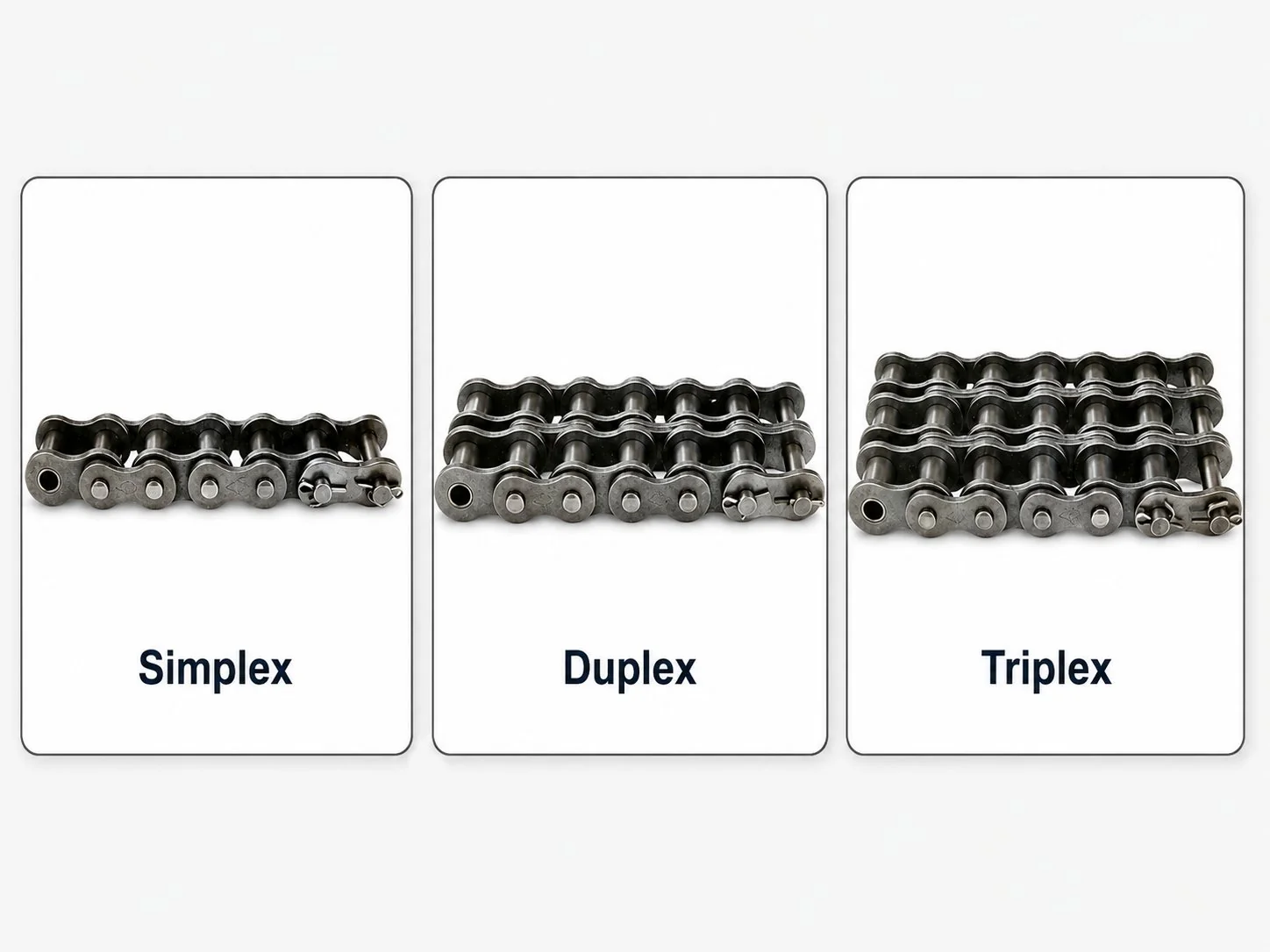
Kórejský výrobca raziacich lisov v roku 2023 modernizoval hnacie reťaze na svojom 315-tonovom prenosovom systéme lisu. Štandardné duplexné reťaze ANSI #80 dosahovali predĺženie 3% približne za 900 hodín pri kombinovanom rázovom a špičkovom zaťažení prenosového mechanizmu. Hodnotené možnosti boli: modernizácia na rozteč #100 (o 50% väčšia hmotnosť reťaze a vonkajší priemer ozubeného kolesa, čo si vyžadovalo úpravu stroja), použitie duplexnej reťaze #80 série SP (bez zmeny rozmerov, o 28% vyššie medzné zaťaženie, rovnaká sada ozubených kolies) alebo prepracovanie s tichou reťazou (výrazné zníženie šírky a vyššie obstarávacie náklady). Bola vybraná séria SP. Životnosť modernizovanej reťaze presiahla 2 200 hodín pred prvým vyradením z prevádzky – čo predstavuje zlepšenie na 144% oproti pôvodnej štandardnej reťazi bez nulovej úpravy geometrie stroja. Celá modernizácia si vyžadovala dve náhradné sady reťazí a nastavenie napínača. Celkové náklady na inžinierstvo boli minimálne v porovnaní s alternatívami #100 alebo tichou reťazou.
Séria SP a tiché reťaze sú prémiové kategórie produktov, ktoré sú drahšie ako štandardné valčekové reťaze a prinášajú špecifické výkonnostné výhody. Otázka výberu neznie „ktorá je lepšia“ – ale „aké obmedzenie štandardnej valčekovej reťaze v mojej aplikácii skutočne čelí a ktorý produkt toto konkrétne obmedzenie rieši?“.

Reťaz radu SP: Čo ju robí silnejšou a odkiaľ pochádza jej sila
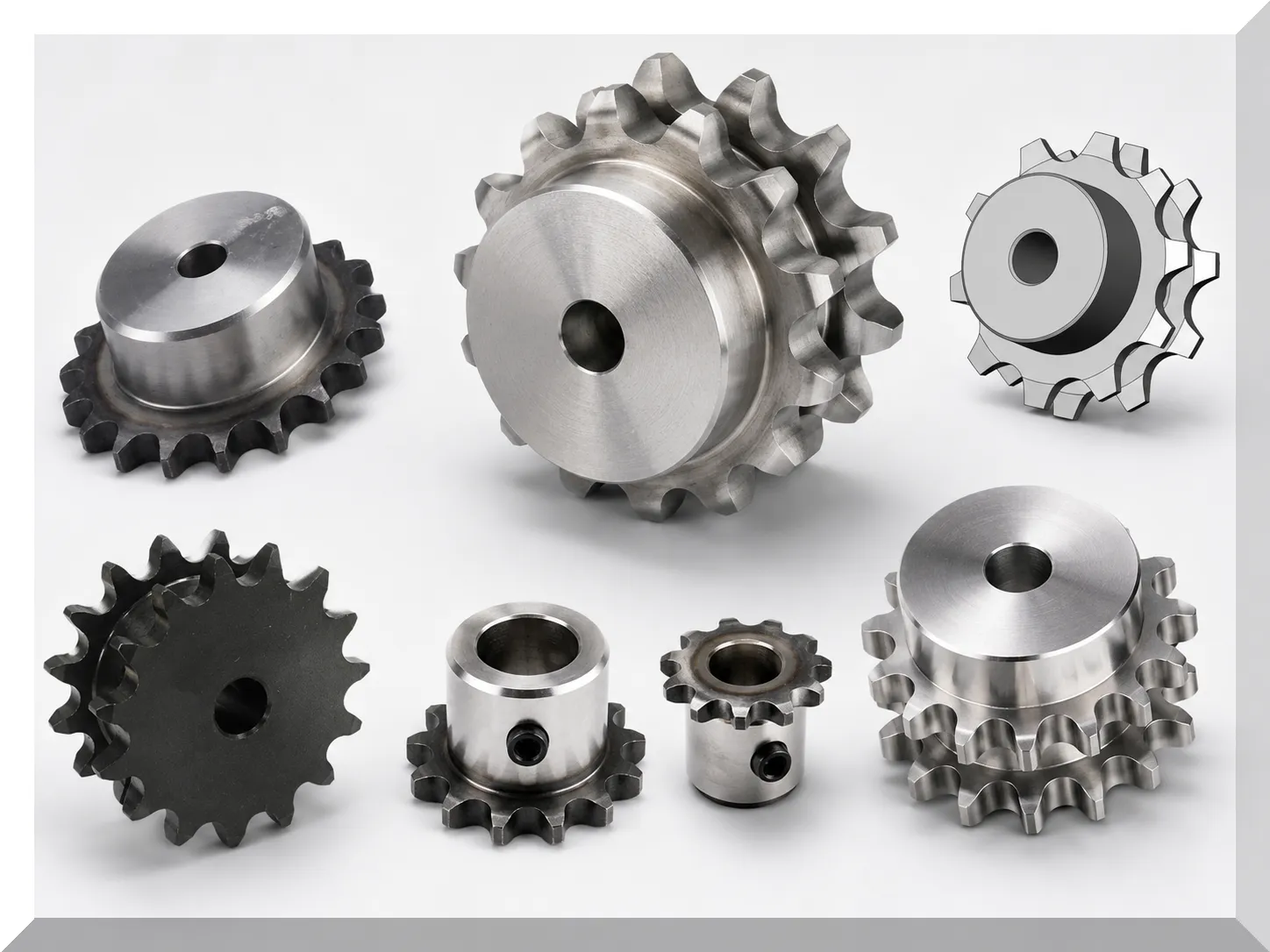
Reťaz radu SP je rozmerovo identická so štandardnou reťazou ANSI s rovnakým rozstupom – rovnaký priemer valčeka, rovnaká vnútorná šírka článku, rovnaký priemer čapu na rozhraní valček/ozubené koleso. To znamená, že reťaz radu SP beží na štandardných ozubených kolesách ANSI bez úpravy. Zlepšenie pevnosti pochádza výlučne z materiálu a geometrie článkovej dosky a čapu – hrubšie dosky z vyššej pevnosti v ťahu z legovanej ocele, hlbšie kalené čapy s vyššou húževnatosťou jadra a prísnejšie výrobné tolerancie v celom rozsahu.
| Číslo reťaze | Štandardná medzná hmotnosť (kN) | Medza pevnosti SP (kN) | Zlepšenie (%) | Štandardná medza únavy (kN) | Medza únavy SP (kN) | Rozdiel v hmotnosti |
|---|---|---|---|---|---|---|
| #50 | 21.8 | 27.5 | +26% | 4.4 | 7.6 | +8–12% |
| #60 | 31.8 | 41.2 | +29% | 6.4 | 11.5 | +9–13% |
| #80 | 55.6 | 71.2 | +28% | 11.1 | 19.9 | +10–14% |
| #100 | 86.7 | 111.0 | +28% | 17.3 | 31.1 | +10–14% |
| #120 | 124.5 | 162.0 | +30% | 24.9 | 45.4 | +11–15% |
Tichá reťaz (reťaz s obrátenými zubami): Ako funguje a prečo pracuje ticho
Tichá reťaz (štandardizovaná ako reťaz s obráteným ozubením podľa ASME B29.2) používa zásadne odlišný mechanizmus záberu od valčekovej reťaze. Každá článková doska v tichej reťazi má v spodnej časti dva šikmé zuby – tvar zuba zodpovedá profilu zuba ozubeného kolesa. Keď reťaz zaberie do ozubeného kolesa, zuby článkovej dosky zaberajú so zubami ozubeného kolesa v kontakte podobnom ozubenému kolesu, a nie v kontakte valčekového uloženia štandardnej valčekovej reťaze.
Záber ozubených kolies eliminuje nárazy a vibrácie, ktoré spôsobujú hluk valčekovej reťaze. V štandardnej valčekovej reťazi každý valček prichádza na zub ozubeného kolesa zvonku rozstupovej kružnice a zapadá do koreňa – pri každom zábere zuba dochádza k krátkemu momentu nárazu. V tichej reťazi sa doštičkové zuby dostávajú do záberu postupne, keď reťaz obopína ozubené koleso, bez samostatného nárazu. Výsledkom je podstatne tichší pohon: tichá reťaz zvyčajne pracuje s o 10 – 20 dB(A) nižšou hladinou hluku ako štandardná valčeková reťaz pri rovnakej rýchlosti a zaťažení a hladina hluku zostáva relatívne konštantná v celom rozsahu rýchlostí, namiesto toho, aby sa s rýchlosťou prudko zvyšovala ako pri hluku valčekovej reťaze.
−10 až −20 dB
Až 30 m/s
<0,1% (takmer konštantné)
2–4× širšie
3–6× vyššie
Povinný nepretržitý olej
Séria SP vs. tichá reťaz: Úplné porovnanie v deviatich rozmeroch
| Charakteristický | Štandardná valčeková reťaz | Valčeková reťaz série SP | Tichá reťaz (s obrátenými zubami) |
|---|---|---|---|
| Mezná hmotnosť (oproti norme ANSI) | 100% | 125–130% | Líši sa – rozloženie zaťaženia po šírke |
| Zlepšenie limitu únavy | Základná hodnota | +75–80% | Mierne (ohýbanie dosky skôr než náraz valčeka) |
| Hladina hluku (pri rýchlosti) | Základná hodnota | Podobné ako štandard ± 2 dB | −10 až −20 dB(A) |
| Maximálna rýchlosť | ~10 m/s (#60) | ~10–12 m/s (#60) | Až 30 m/s |
| Kompatibilita ozubených kolies | Štandard ANSI | Štandard ANSI (bez zmeny) | Špeciálny profil – iba určené ozubené kolesá |
| Šírka pohonu (rovnaké menovité zaťaženie) | Základná hodnota | Rovnaké ako štandard | 2–4× širšie |
| Prirážka k nákladom oproti štandardu | — | +30–60% | +200–500% |
| Požiadavka na mazanie | Štandardné – kvapkové/manuálne | Štandardné – kvapkové/manuálne | Povinný nepretržitý nútený obeh |
| Rovnomernosť rýchlosti | ±1,71 TP3T pri 19T | ±1,71 TP3T pri 19 T (rovnaké) | <0,1% |
Rozhodovacia matica: Kedy každý produkt zodpovedá správnej špecifikácii
- Použité zaťaženie ≤ 15% minimálnej medze zaťaženia
- Stredná rýchlosť ≤ 8 m/s na reťazi
- Normálne prevádzkové prostredie (čisté, namazané)
- Rozpočet je obmedzený a neexistuje žiadny deficit vo výkonnosti
- Súčasná životnosť je nedostatočná a problémom je únava alebo preťaženie – nie rýchlosť alebo hluk
- Prechod na ďalšiu výšku by prekročil inštalačný limit.
- Rázové zaťaženia sú významné – lisy, dopravníky s občasným zasekávaním, rozbehové zaťaženia
- Potrebujete väčšiu nosnosť bez zmeny geometrie stroja alebo ozubeného kolesa
- Viacvláknový pohon, kde je pridanie vlákna nepraktické, ale je potrebná väčšia kapacita
- Hladina hluku je prísnym obmedzením (obrábací stroj, zdravotnícka pomôcka, pohon audio/video zariadenia)
- Veľmi vysoká rýchlosť (nad 12 – 15 m/s), kde je hluk zo záberu valčekovej reťaze neprijateľný
- Vyžaduje sa takmer nulová zmena rýchlosti (presný vačkový hriadeľ, servopohon časovania)
- K dispozícii je alebo je možné nainštalovať nepretržité nútené mazanie olejom (toto je povinné).
- Šírka pohonu nie je obmedzená – tichá reťaz je pri rovnakom menovitom zaťažení výrazne širšia ako valčeková reťaz.
Priemyselné aplikácie
Razenie a prenos kovov lisovaním (séria SP). Mechanizmy presúvacích lisov vyvíjajú na hnaciu reťaz rázové zaťaženie pri každom zdvihu – reťaz prechádza rýchlym nárastom napätia pri každom zatvorení matrice, keď sa presúvacie prsty spomaľujú voči obrobku. Štandardná reťaz v týchto aplikáciách zvyčajne zlyhala v dôsledku únavy materiálu v častiach článkovej dosky priľahlých k otvorom pre čapy – presne ten spôsob zlyhania, ktorý rieši vylepšená medza únavy materiálu radu SP. Aplikácia opísaná na začiatku tohto článku je reprezentatívna: séria SP #80 alebo #100. valčeková reťaz v pohonoch lisov konzistentne poskytuje o 100–200% dlhšiu životnosť ako štandardná ekvivalentná reťaz bez akejkoľvek zmeny geometrie pohonu.
Hlavné pohony obrábacích strojov (tichá reťaz). Odvaľovacie frézy na ozubenie, presné sústruhy a CNC obrábacie centrá používajú tiché reťaze v polohách pohonu vretena a pohonu posuvu, kde hluk a vibrácie ovplyvňujú kvalitu obrobeného povrchu. Takmer nulová zmena rýchlosti tichej reťaze (<0,1% oproti ±1,7% pre štandardnú valčekovú reťaz pri 19T) eliminuje periodické zvlnenie rýchlosti, ktoré vytvára chvenie na presne obrobených povrchoch. Toto je dominantné použitie tichých reťazí v kórejskej presnej výrobe – nie všeobecný prenos výkonu, ale špecifické polohy pohonu s malým objemom, kde je rovnomernosť rýchlosti požiadavkou na kvalitu.
Časovanie automobilových motorov (tichá reťaz). Pohony časovania vačkového hriadeľa v motoroch s vačkovým hriadeľom v hlave hlavy valcov používajú tichú reťaz – konštrukcia s obráteným ozubením zaisťuje rovnomernosť rýchlosti potrebnú pre presnosť zapaľovania a časovania ventilov. Automobilové aplikácie viedli k značným investíciám do vývoja technológie tichých reťazí, vďaka čomu sa vyrábajú reťaze s veľmi dlhými servisnými intervalmi (viac ako 100 000 km) za neustáleho núteného mazania olejom z okruhu motorového oleja. Priemyselné tiché reťaze pre pohony strojov používajú podobnú technológiu, ale s odlišnými pomermi strán a profilmi článkov vhodnými pre nižšie rýchlosti a vyššie zaťaženie ako aplikácie rozvodov v automobiloch.
Pohony banských dopravníkov (séria SP). Pohony podzemných pásových dopravníkov v kórejských uhoľných baniach a kamenivových lomoch vyvíjajú trvalé vysoké zaťaženie s občasným nárazovým preťažením spôsobeným padaním skál alebo zaseknutím pásu. Reťaz SP série #120 alebo #140 Štandardnou špecifikáciou pre tieto aplikácie je zladenie kalených ozubených kolies – výhoda medznej pevnosti reťaze 28–30% oproti štandardnej reťazi poskytuje dodatočný bezpečnostný faktor požadovaný kórejskými predpismi o priemyselnej bezpečnosti pre podzemné banské zariadenia, kde zariadenia na ochranu proti preťaženiu nemusia byť schopné reagovať dostatočne rýchlo, aby zabránili jednorazovému preťaženiu.
Úvahy o obstarávaní a špecifikáciách
Objednávanie reťazí série SP vyžaduje v porovnaní so štandardnou reťazou iba jeden dodatočný údaj: označenie SP potvrdené v objednávke. Keďže reťaz je rozmerovo identická so štandardnou ANSI, platí rovnaká špecifikácia rozstupu, počtu prameňov a dĺžky. Sada ozubených kolies sa nemusí meniť. Vďaka tomu je séria SP z hľadiska obstarávania vylepšenou verziou s nízkym trením – jedinou prekážkou je cenová prirážka, ktorá sa rýchlo vráti v aplikáciách, kde je životnosť záväzným obmedzením.
Obstarávanie tichých reťazí je podstatne zložitejšie. Musí sa špecifikovať šírka reťaze, rozstup článkov, geometria zubov dosky a konfigurácia vodiacich článkov. Ozubené kolesá sa musia špecifikovať súčasne – tichá reťaz sa nemôže pohybovať na ozubených kolesách valčekových reťazí. Pri nových konštrukciách dodávatelia tichých reťazí zvyčajne poskytujú kompletnú službu návrhu pohonu vrátane výberu reťaze, návrhu ozubeného kolesa a špecifikácie mazacieho systému. Pri výmene existujúceho tichého reťazového pohonu je najjednoduchším prístupom odstrániť časť existujúcej reťaze a poskytnúť ju dodávateľovi ako fyzickú referenčnú vzorku – rozmerové spätné inžinierstvo zo vzorky reťaze je rýchlejšie a spoľahlivejšie ako pokus o rekonštrukciu špecifikácie iba z meraní opotrebovaných komponentov.
Často kladené otázky
Redaktor: Cxm