双节距传动链(208 至 232 系列)

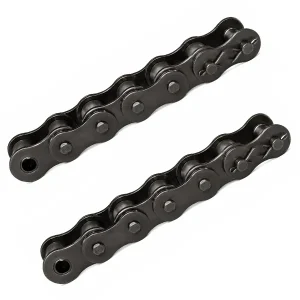
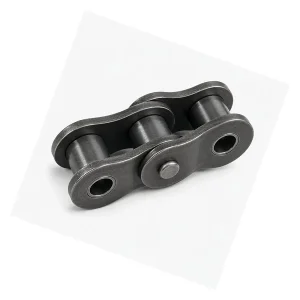
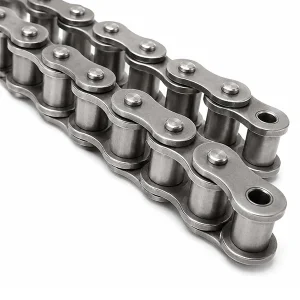
这 双节距传动链(208 至 232 系列) geometrically modifies standard 输送链 architecture by extending the solid side plates to precisely twice the pitch dimension of the base ASME/ANSI or ISO standard. This calculated mechanical elongation completely maintains the original ultimate tensile strength and solid roller diameter of the base series while actively halving the total quantity of carbonitrided pins, solid bushings, and cold-extruded rollers required per linear meter. This drastic structural weight reduction effectively eliminates the parasitic drag that severely burdens primary drive motors on massive agricultural routing implements and industrial automation layouts, providing a highly optimized, low-friction kinetic solution for steady-state load transfer.
Kinematic Physics & Extended Pitch Design Mechanics
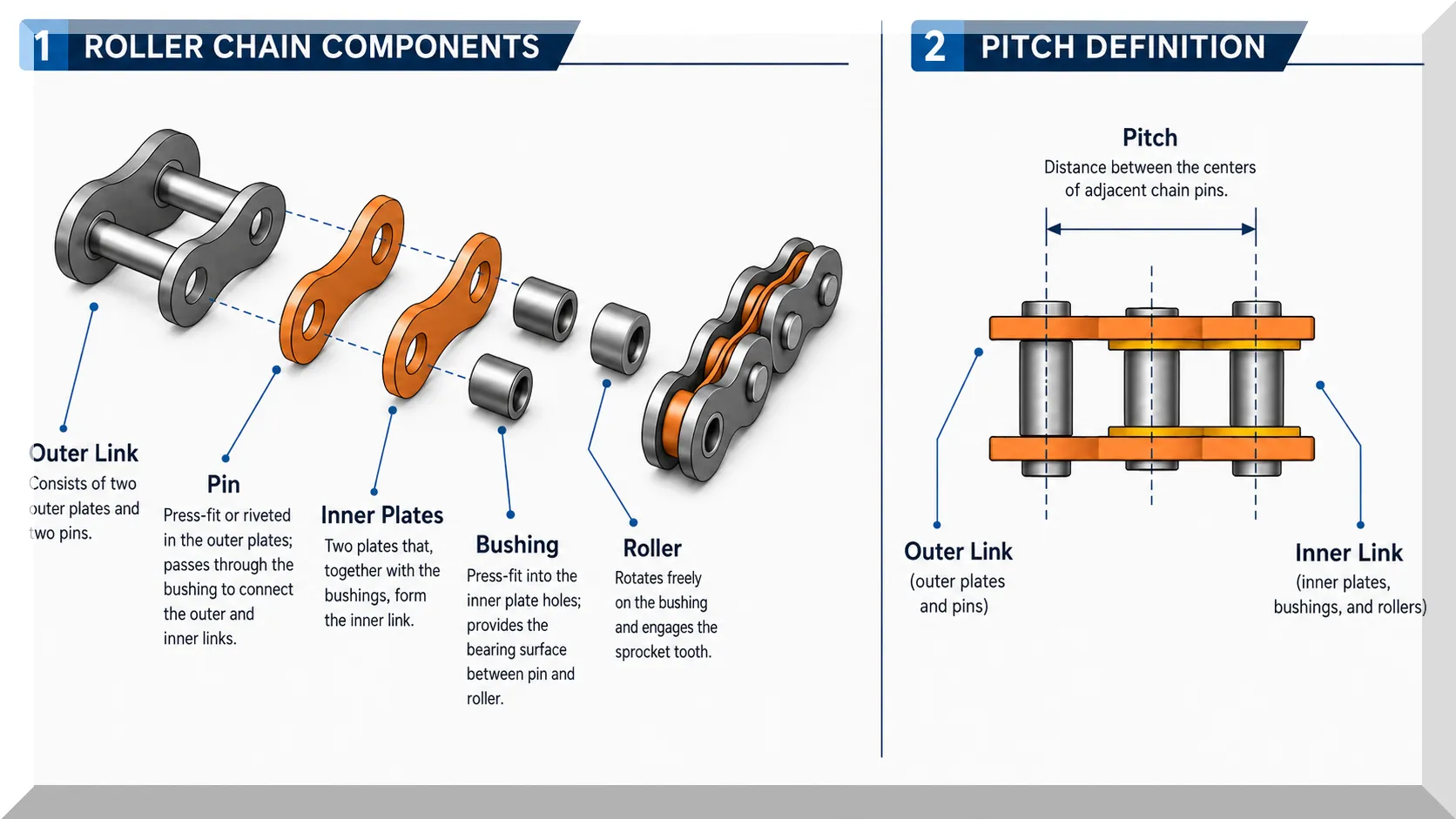
To thoroughly analyze the massive efficiency gains provided by this extended format, mechanical designers must rigorously study the precise 链的解剖结构 mechanisms. A standard ANSI 40 transmission link operates on a tight 12.7mm (0.500-inch) pitch, designed primarily for high-speed, high-RPM rotary transfer. The corresponding double pitch variant, formally designated as 2040 under ANSI or 208A under ISO indexing, utilizes the exact same pin diameter, internal roller width, and hardened plate thickness, but operates on an extended 25.4mm (1.000-inch) pitch. When novice plant mechanics inquire, 什么是链条和链轮? in the context of commercial conveyors, the operational reality shifts entirely from pure rotary torque transfer to horizontal spatial load distribution. By geometrically doubling the physical distance between the bearing joints, the cumulative metallic mass of the flexible linkage drops significantly.
When operating a 50-meter or 100-meter continuous conveyor bed, utilizing standard short-pitch components inadvertently introduces an immense static weight that pulls aggressively on the terminal drive shafts due to natural gravitational catenary sag. This constant downward tension forces procurement departments to specify significantly larger shaft pillow-block bearings and vastly higher-horsepower prime movers strictly to overcome the dead weight of the drivetrain belt itself. Deploying a double pitch 传动链 drops this static weight by nearly 40%. Because the ultimate tensile strength is derived entirely from the plate's cross-sectional area and the shear capacity of the pin diameter—both of which remain mathematically identical to the heavy-duty base series—the safe working load limit is perfectly preserved. This advanced architecture allows facility managers to construct massive automated sorting arrays without geometrically expanding the motor housings, drastically lowering the total capital expenditure of the facility.
It is absolutely critical to document that these extended linkages are exclusively engineered for low-to-moderate speed environments (typically under 50 lineal meters per minute). Operating a double pitch format at high rotational velocities mechanically induces severe chordal action. This is a geometric phenomenon where the elongated straight links bound violently on the vertical axis as they rotate around the polygonal shape of the hub. At high RPMs, this vertical bounding generates destructive harmonic vibration and acoustic resonance that will rapidly shatter precision bearings. Therefore, these double pitch transmission chains are highly optimized purely for steady, continuous pulling power over vast distances.
Precise Dimensional Matrix & Component Tolerances
Properly specifying a replacement transmission linkage demands absolute compliance with international dimensional standards. The comprehensive empirical matrix provided below details the precise geometric parameters for both the DIN/ISO (B-Series) and ANSI (A-Series) designated double pitch profiles. While a 208A and a 208B might both measure exactly 25.40mm from pin center to pin center, their internal roller diameters, pin thicknesses, and inner plate widths differ fundamentally. Before final integration, millwrights must rigidly verify the inner width between plates (b1 min) to guarantee that the new components will not physically bind against the existing sprocket teeth. An overly narrow clearance will cause the inner plates to actively pinch the involute curve of the gear, generating massive radial friction that rapidly shears the carbonitrided steel surfaces.
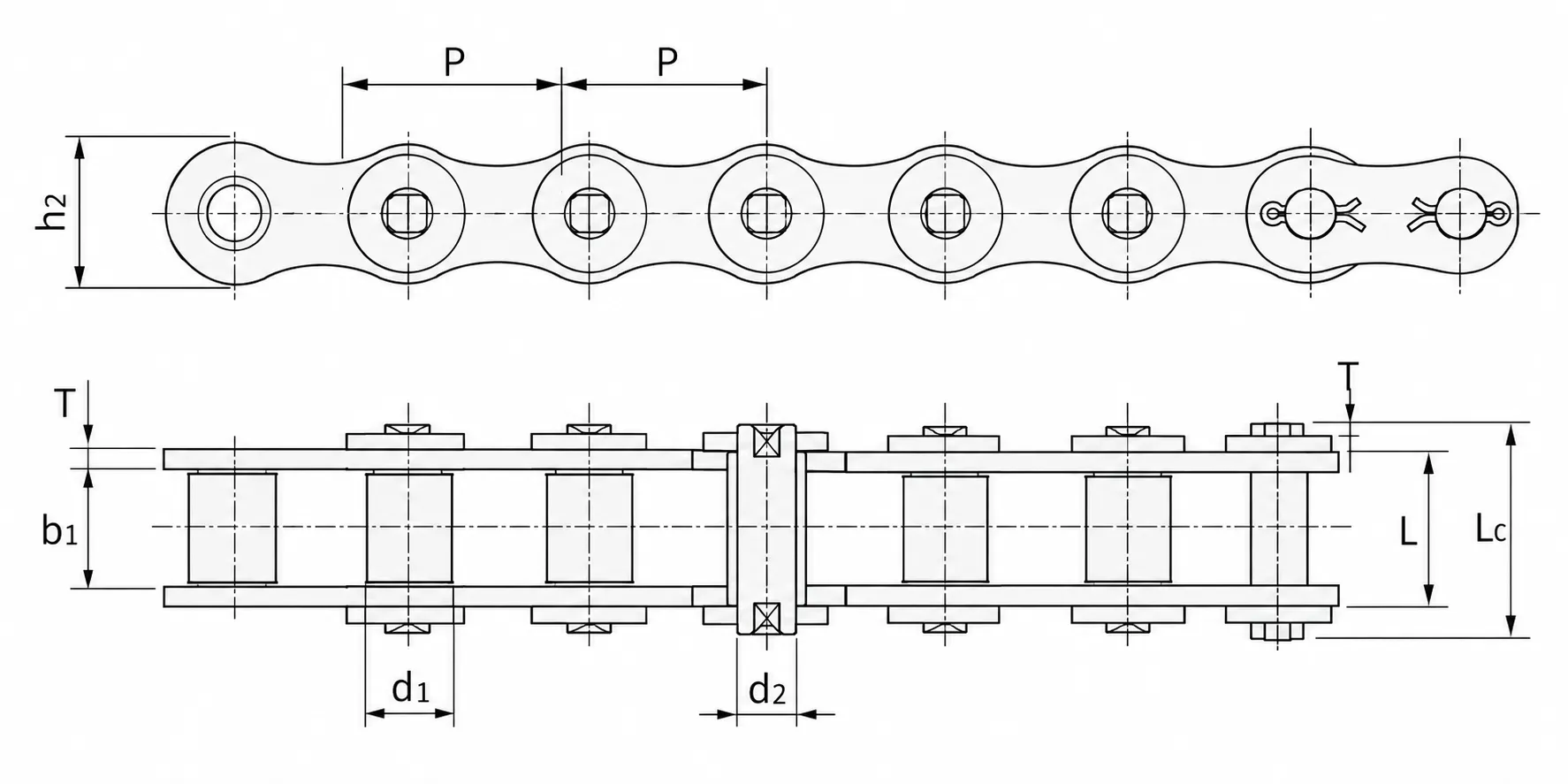
| DIN/ISO 编号 | ANSI编号 | 螺距 (P) 毫米 | 辊径(d1) | 内宽 (b1) | 销钉直径(d2) | 引脚 L 最大值 | 板深(h2) | 板材厚度 (T) | 极限抗拉强度(千牛) | 平均抗拉强度(千牛) | 重量 kg/m |
|---|---|---|---|---|---|---|---|---|---|---|---|
| 208A | 2040 | 25.40 | 7.95 | 7.85 | 3.96 | 16.6 | 12.0 | 1.50 | 14.1 | 16.7 | 0.42 |
| 208B | - | 25.40 | 8.51 | 7.75 | 4.45 | 16.7 | 11.8 | 1.60 | 18.0 | 19.4 | 0.45 |
| 210A | 2050 | 31.75 | 10.16 | 9.40 | 5.08 | 20.7 | 15.0 | 2.03 | 22.2 | 28.1 | 0.73 |
| 210B | - | 31.75 | 10.16 | 9.65 | 5.08 | 19.5 | 14.7 | 1.70 | 22.4 | 27.5 | 0.65 |
| 212A | 2060 | 38.10 | 11.91 | 12.57 | 5.94 | 25.9 | 18.0 | 2.42 | 31.8 | 36.8 | 1.02 |
| 212B | - | 38.10 | 12.07 | 11.68 | 5.72 | 22.5 | 16.0 | 1.85 | 29.0 | 32.2 | 0.76 |
| 216A | 2080 | 50.80 | 15.88 | 15.75 | 7.92 | 32.7 | 24.0 | 3.25 | 56.7 | 65.7 | 1.70 |
| 220A | 2100 | 63.50 | 19.05 | 18.90 | 9.53 | 40.4 | 30.0 | 4.00 | 88.5 | 102.6 | 2.55 |
| 224A | 2120 | 76.20 | 22.23 | 25.22 | 11.10 | 50.3 | 35.7 | 4.80 | 127.0 | 147.3 | 4.06 |
| 228B | - | 88.90 | 27.94 | 30.99 | 15.90 | 65.1 | 36.7 | 7.50 | 200.0 | 222.0 | 6.23 |
| 232B | - | 101.60 | 29.21 | 30.99 | 17.81 | 66.0 | 42.0 | 7.00 | 250.0 | 277.5 | 6.72 |
The ultimate tensile strength (Q min) provides the absolute physical breaking point of the steel under strict laboratory pull testing. Operational engineering guidelines rigidly mandate that the continuous working load should never exceed one-sixth of this documented ultimate yield limit. This safety factor is critical to prevent microscopic fatigue cracking over millions of cyclic rotations under actual field conditions. If your payload exceeds this calculation, you must transition from a simplex configuration to an advanced multiplex architecture to safely disperse the shear forces without breaking the hardened pins.
Specialized Roller Geometry: Standard vs Oversized Carriers
Double pitch architectures are exceptionally versatile because they structurally accommodate multiple distinctly different roller geometries, dictating entirely different kinetic physics on the factory floor. Identifying the correct roller profile is critical to preventing thermal overload on your conveyor motors and reducing premature rail wear caused by heavy sliding friction.
Standard Recessed Rollers
The standard roller series utilizes a solid roller diameter exactly identical to its single-pitch counterpart. This roller sits entirely recessed within the vertical profile of the straight side plates. This configuration is engineered strictly for highly efficient rotary power transmission across long distances where the chain either hangs freely or slides lightly along a greased nylon wear track.
Oversized Carrier Rollers
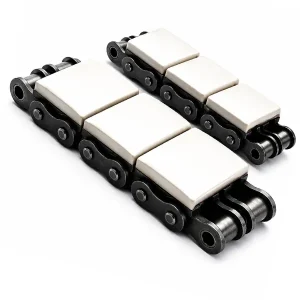
Oversized variations deploy massive solid rollers that physically project significantly beyond the upper and lower edges of the sidebars. This fundamentally transforms the linkage into a rolling conveyor floor. The protruding rollers bear the payload weight directly, converting high-friction sliding drag into highly efficient, low-friction rolling resistance against steel guide tracks.
Hollow Pin Architecture & Custom Attachments
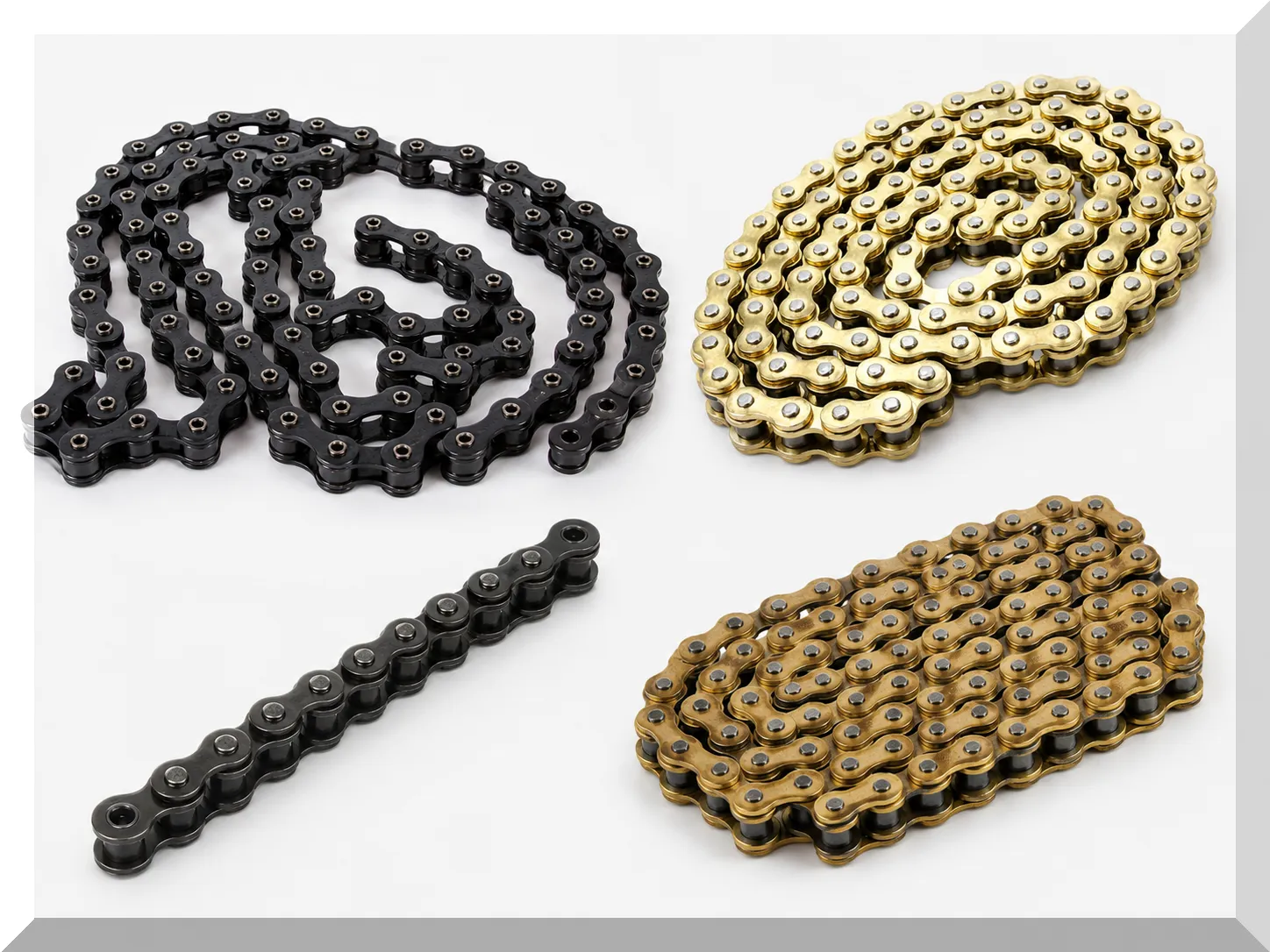
Beyond altering the roller diameter, facility engineers frequently leverage Hollow Pin variations. Engineered with tubular, heavy-walled through-hole pins rather than solid steel rods, this design creates an infinitely customizable material handling platform. It allows millwrights to effortlessly insert custom extended axles, specialized carrier baskets, or custom nylon pusher flights directly through the transverse center of the double pitch transmission chain without requiring complex field welding or altering the structural integrity of the base plates.
This modularity is heavily utilized in commercial packaging and sorting logistics. If the physical dimensions of the conveyed product change the following business quarter, the custom attachments can simply be unbolted and swapped out without breaking the primary chain loop or purchasing an entirely new base transmission. It is important to calculate that removing core material to create a hollow pin naturally reduces the ultimate shear capacity of the assembly; a hollow pin variant generally possesses roughly 15% to 20% less ultimate tensile strength compared to its solid pin equivalent, which must be factored into the maximum working load limit.
Kinematic Synchronization & Sprocket Anatomy
Integrating a double pitch 重型链轮和链条 assembly necessitates a deep understanding of the 链轮的构造. Because the pitch distance is exactly doubled, these chains technically possess the geometric clearance to engage standard single-pitch sprockets, provided the hub features 30 or more teeth. In this makeshift arrangement, the elongated linkage simply engages every second tooth on the gear. However, while mathematically feasible, engineers strongly advise against this practice for high-load, continuous duty cycles.
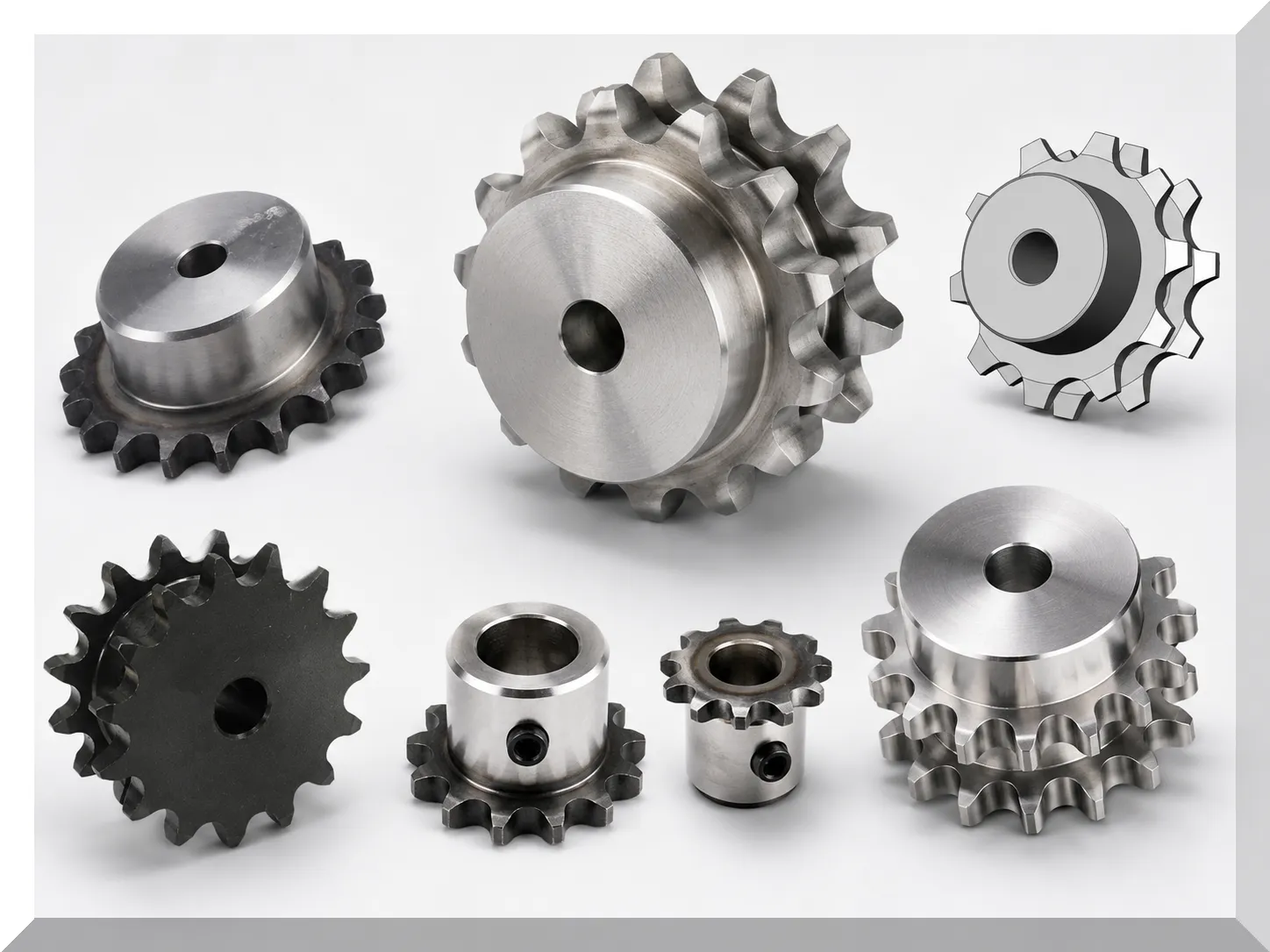
For maximum longevity, dedicated double-pitch 链轮 must be specified. These specialized hubs are CNC hobbed with "half-tooth" or "double-cut" involute geometries. When these hubs are machined with an odd number of actual teeth, it produces a highly advantageous mechanical phenomenon known as the "hunting tooth" effect. During the first full revolution, the rollers seat securely into one specific set of root cavities. On the subsequent revolution, the odd tooth count forces the rollers to index into the previously unused adjacent cavities. This mechanism perfectly distributes abrasive friction and impact force across the entire circumference of the gear, effectively doubling the operational lifespan of the hub before replacement is required. Note: If using oversized carrier rollers, standard sprockets cannot be used; the massive rollers will bottom out and bind in the root cavity.
全球工业应用场景
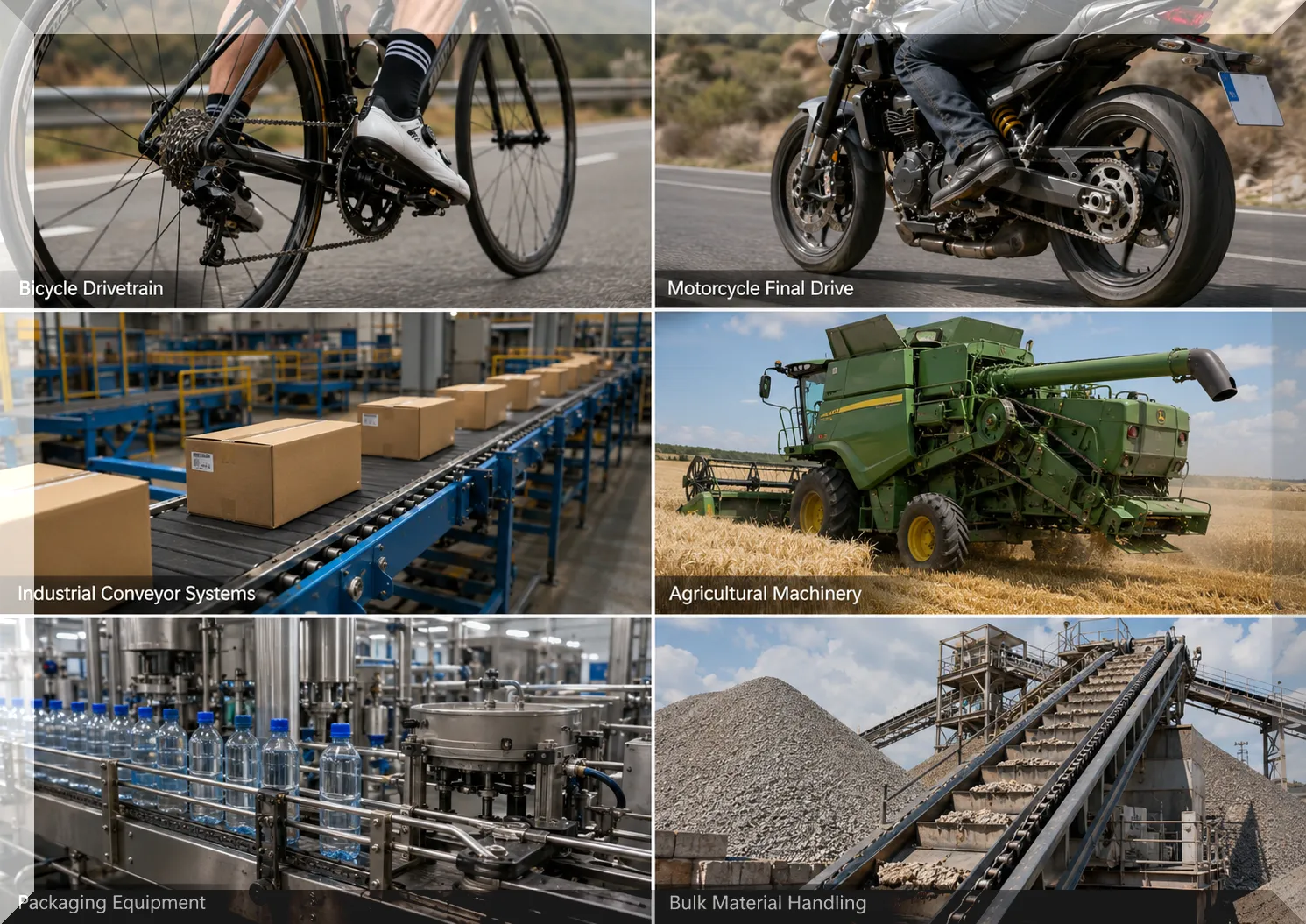
The double pitch configuration thrives in environments requiring synchronized, steady movement over extended physical layouts, permanently replacing heavy single-pitch belts.
Automotive Assembly and Heavy Chassis Transport
Moving heavy automotive chassis frames across hundreds of meters of factory floor requires massive pulling capacity without excessive power draw. The double pitch setup drastically lowers the total chain weight, reducing the strain on the primary gearboxes. Facilities extensively utilize oversized roller variants here, allowing the heavy engine jigs to roll smoothly across steel track guides, dropping the coefficient of friction and significantly lowering amp draw.
Agricultural Harvesting & Grain Processing
Within massive grain elevators and mobile harvesting equipment, long center distances are mandatory. The reduced dead weight of the 216A or 220A series pulls less parasitic power from the tractor's PTO, allocating more raw engine horsepower directly to the crop processing mechanisms while simultaneously resisting the intrusion of highly abrasive silica dust from the fields.
Commercial Packaging & Bottling Logistics
Packaging plants frequently utilize double pitch formats equipped with oversized carrier rollers. Because the payload rides directly on top of the free-spinning oversize rollers, accumulation pressure is virtually eliminated. This allows fragile glass bottles to queue safely on the line without the underlying transmission grinding forcefully against the bottom of the payload.
Advanced Tribology & Material Plating Options
Industrial transport networks face highly diverse environmental contaminants. Bare carbon steel offers superior ultimate tensile strength but succumbs quickly to oxidation in damp agricultural or wash-down packaging environments. To guarantee operational longevity across multiple sectors, double pitch transmission components are manufactured using highly specialized metallurgical surface treatments.
For environments subject to light moisture or outdoor condensation, carbon steel components undergo electrolytic Zinc or Nickel plating. This coats the base metal in a sacrificial layer, actively repelling atmospheric oxidation without altering the underlying core tensile strength. Alternatively, when deployed strictly in FDA-regulated food processing and bottling plants, pure Austenitic Stainless Steel (SS304/SS316) is mandated. While stainless steel yields a slightly lower ultimate tensile strength compared to carbon alloys, it absolutely resists harsh chemical sanitizers and generates zero oxidative particulate contamination over the conveyed goods.
ISO Certified Manufacturing & Pre-Loading Standards
Executing these precise mechanical tolerances at commercial scale requires an unyielding dedication to metallurgical science. Korea Ever-Power Chain and Sprocket Co.,Ltd leverages over two decades of ISO9001:2008 certified manufacturing expertise to supply the global heavy industrial base. Because double pitch plates span twice the normal distance, any internal crystalline defects within the steel will cause the plate to buckle under tension. To neutralize this risk, every single link plate undergoes an aggressive shot-peening phase.
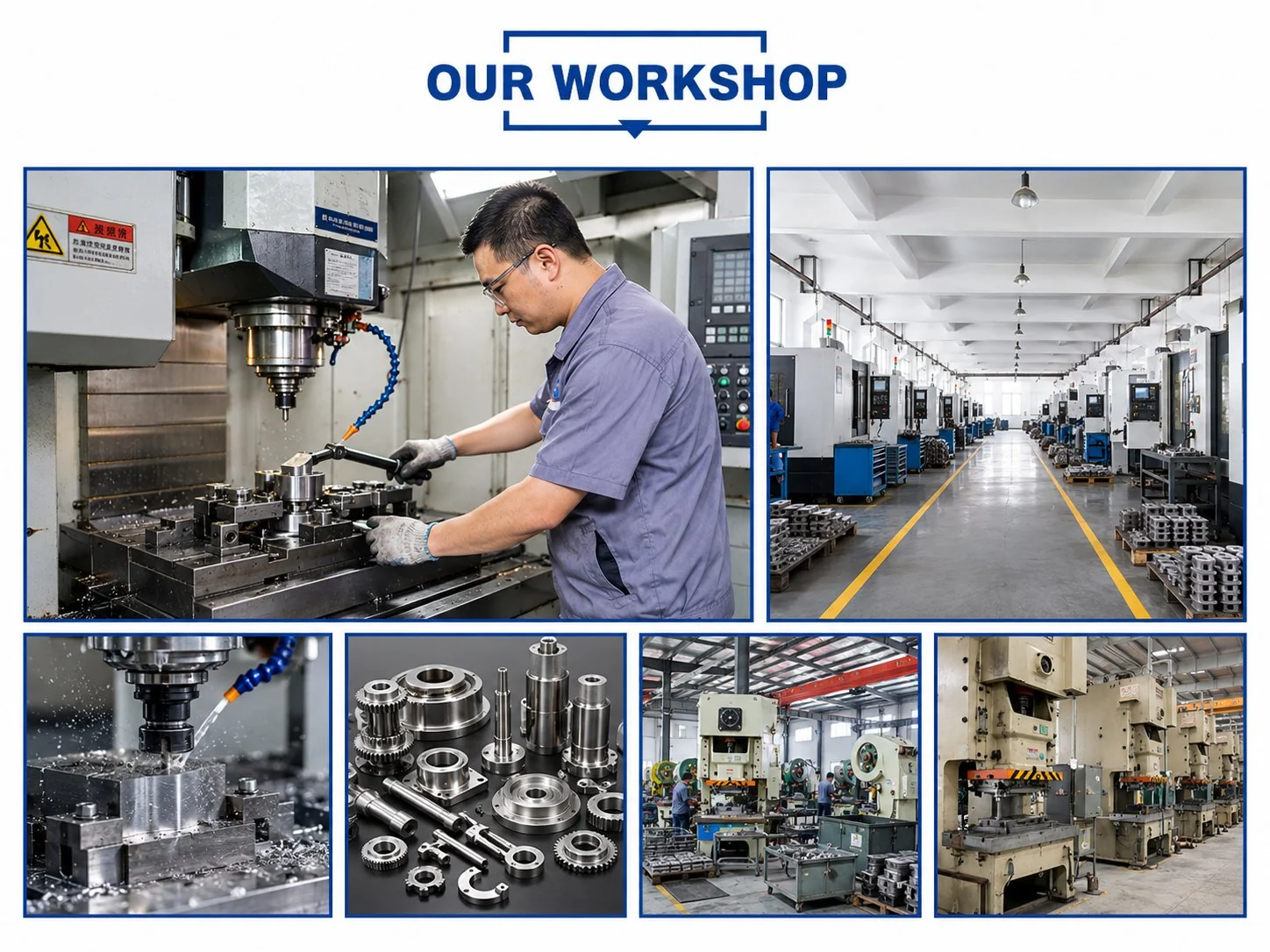
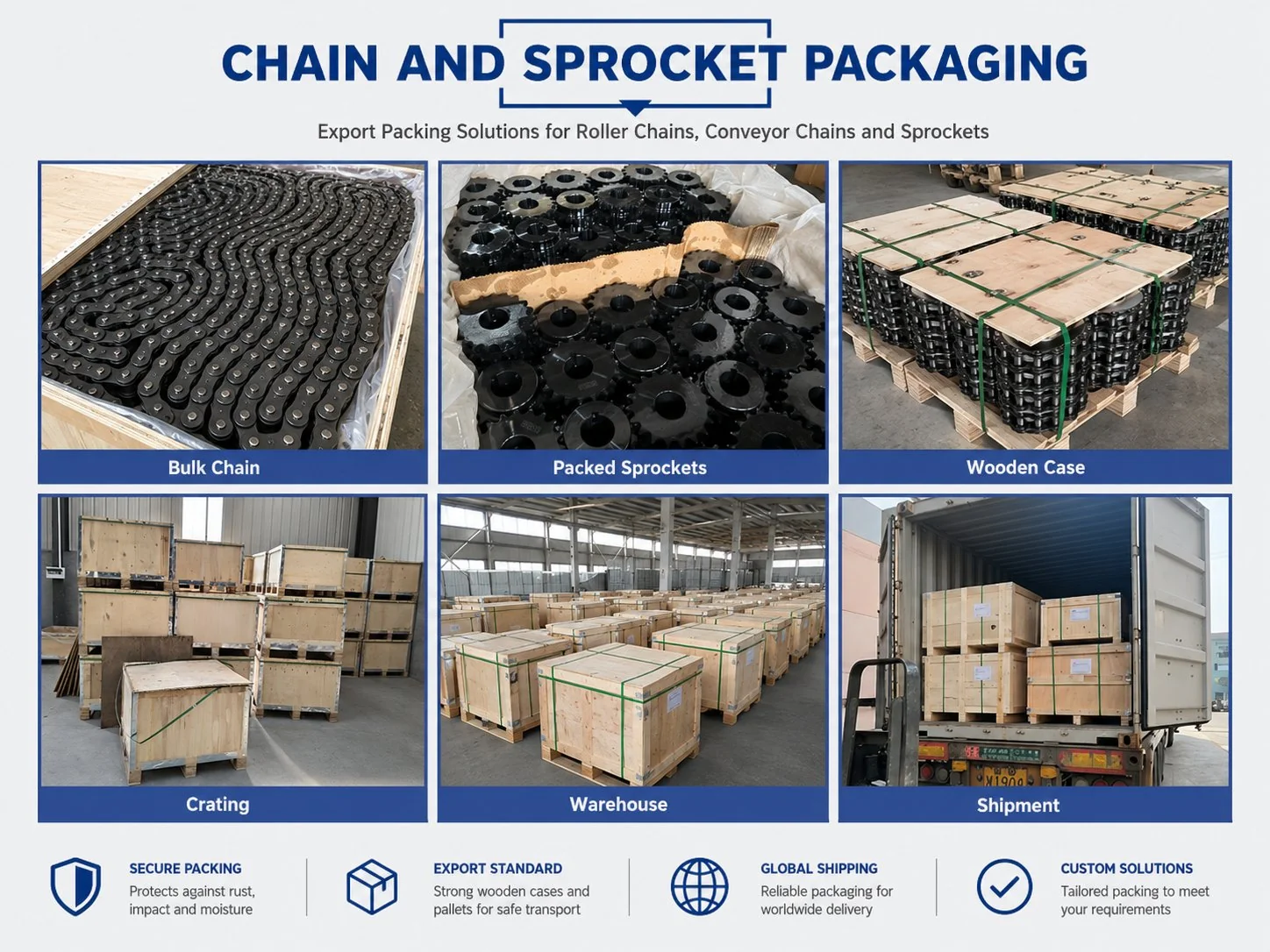
This mechanical cold-working process bombards the high-carbon steel with micro-spheres, inducing a dense layer of residual compressive stress that drastically delays the initiation of fatigue cracking. Furthermore, every single double-pitch assembly is dynamically pre-loaded—hydraulically stretched to roughly 30% of its ultimate breaking limit—permanently seating the pins and bushings before vacuum packaging. This critical factory process drastically limits initial run-in elongation, saving maintenance teams hours of tedious tensioning labor during the first week of operation. By managing localized inventories throughout South Korea, we entirely bypass international sea freight delays, maintaining maximum uptime for Asian facility operators.
Engineering Maintenance FAQ & Verified Feedback
Due to the extended geometric length between rollers, chordal action (vertical bounce) becomes severe at high RPMs. Engineers generally restrict double pitch applications to low or moderate conveyor speeds (typically under 50 meters per minute). Above this threshold, standard short-pitch is strictly recommended to suppress harmonic vibration.
Industry standard dictates replacement when elongation reaches 3.0% of the originally measured length. In a system spanning 100 meters, 3.0% equates to 3 meters of physical slack. This excessive slack will cause the chain to surge violently, buckle inside the return guides, and jam the entire assembly. For very long tracks, replacement at 1.5% to 2.0% is highly recommended.
Long spans naturally generate catenary sag. Rather than aggressively over-tensioning the idler hub—which burns out the shaft bearings—support the slack side of the loop dynamically using UHMW polyethylene guide rails or spring-loaded rotary tensioners.
No. Even if a 208A and 208B share the exact same 25.40mm pitch, their internal dimensions are incompatible. The B-Series uses an 8.51mm roller and 4.45mm pin, whereas the A-Series uses a 7.95mm roller and 3.96mm pin. Attempting to mix series will result in the rollers failing to seat in the sprocket, causing immediate failure.
Theoretical system weight reduction is validated solely through sustained operation on the factory floor. The unedited feedback below originates from facility directors and automation integrators across Asia.
"We retrofitted the chassis transfer lines with the oversized roller 216A series. The rolling friction coefficient dropped the electrical draw on our primary drive motors significantly. We used the double-cut sprockets, and after 6,000 hours, we simply advanced the chain one pitch to double the gear life. Extremely economical."
"Our fruit sorting conveyors run over 80 meters continuously in high-moisture conditions. The nickel-plated 208B resists the washdown oxidation perfectly, and the extended pitch allows us to bolt custom nylon sorting flights directly onto the side plates without interference. Highly precise dimensional tolerances from Korea Ever-Power."
"The pre-tensioning from the factory is highly reliable. We installed the 224A hollow pin setup on a heavy pallet handling loop. We didn't have to adjust the turnbuckles once during the initial 72-hour run-in. The plate depth holds the vertical weight of the pallets without any physical buckling."
其他信息
| 编辑 | CXM |
|---|