Product Description
drag conveyor chain and sprocket
Introduction
Horizontal scraper chain conveyor is bulk material conveying equipment, which consists of head section with driving device, middle casing, tail section, tension device, as well as scraper chains. MS buried scraper conveyor is widely used in cement plant, coal, metallurgy, mining, light, construction, chemical, grain, power industries etc.
Advantages and Features
1.Totally enclosed structure, without pollution, environmental friendly.
2.Simple structure, convenient installation and maintenance.
3.Horizontal or slightly inclined transport, angle can be from 0° to 30°.
4.Multiple material feeding point and discharging point according to requirement.
5. Trough width can be 160-500mm to meet different material types and capacity.
6. Kinds of scraper chain, to meet different types of material.
7. Conveying distance is up to 80m with material temperature lower than 120ºC.
8. With screw take-up device, can take-up itself automatically, to avoid chain take off.
9. Reducer motor brand can be can be domestic or imported: Tailong,SEW,Siemens etc.
10.Can be disassemble into several sections, save space during transportation.
Technical Parameter:
| Scraper Conveyor Technical Performance | ||||||
| Type | MS16 | MS20 | MS25 | MS32 | MS40 | |
| Trough Width | 160 | 200 | 250 | 320 | 400 | |
| Allowed Material Density Range | 0.2-2.5t/m³ | |||||
| Max.Conveying Distance | 120m | |||||
| Conveying Capacity | speed m/s | 0.16 | 0.16 | 0.16 | 0.16 | 0.16 |
| capacity m³/h | 15 | 23 | 36 | 59 | 83 | |
| speed m/s | 0.2 | 0.2 | 0.2 | 0.2 | 0.2 | |
| capacity m³/h | 18 | 29 | 45 | 74 | 104 | |
| speed m/s | 0.25 | 0.25 | 0.25 | 0.25 | 0.25 | |
| capacity m³/h | 23 | 36 | 56 | 92 | 130 | |
| speed m/s | 0.32 | 0.32 | 0.32 | 0.32 | 0.32 | |
| capacity m³/h | 29 | 46 | 72 | 118 | 166 | |
Selection Conditions
| ♦Material to be processed: _____ | ♦Max. granule size of the feeding material: ____mm |
| ♦Handling capacity (Ps. It means the total | ♦Percentage of Max. granule in material:_________% |
| material capacity feeding from the inlet): _____t/h | ♦Upstream equipment (Ps. It means what kind of |
| ♦Bulk Density: _____t/m3 | equipment is used to feed the material): _____ |
| ♦Conveying distance(distance between | ♦Downstream equipment (Ps. It means what kind of |
| inlet and outlet):__________m | equipment is used to discharge the material): _____ |
| ♦Material size:____mm | ♦Installation form is horizontal or inclined : ________; |
| ♦Material temperature: _______ ºC | If it is inclined,what is the inclined degree________° |
| ♦Water content:____% | ♦Working power supply: _____V ______HZ |
| ♦Material is corrosive or not: ____ (Ps. Yes or No) |
We mainly provide the following equipments :
| Vibrating Screen | Rotary vibrating screen |
| Ultrasonic vibrating screen | |
| Gyratory screen | |
| Trommel screen | |
| Linear vibrating screen | |
| Circular vibrating screen | |
| Dewatering screen | |
| Vibrating feeder | |
| Belt Conveyor | Belt conveyor |
| Sidewall belt conveyor | |
| Portable belt conveyor | |
| Shuttle conveyor | |
| Tripper | |
| Bucket Elevator | Efficient bucket elevator |
| Belt bucket elevator | |
| Ring chain bucket elevator | |
| Plate chain bucket elevator | |
| Cement bucket elevator | |
| Silo bucket elevator | |
| Screw Conveyor | U-type screw conveyor |
| Cement screw conveyor | |
| Pipe screw conveyor | |
| Scraper Conveyor | Horizontal scraper chain conveyor |
| Incline scraper chain conveyor | |
| Grain scraper chain conveyor |
/* March 10, 2571 17:59:20 */!function(){function s(e,r){var a,o={};try{e&&e.split(“,”).forEach(function(e,t){e&&(a=e.match(/(.*?):(.*)$/))&&1
| Structure: | Chain Conveyor |
|---|---|
| Material: | Carbon Steel |
| Material Feature: | Oil Resistant, Heat Resistant, Fire Resistant |
| Application: | Chemical Industry, Grain Transport, Mining Transport, Power Plant |
| Condition: | New |
| Model: | Ms |
| Samples: |
US$ 9900/Set
1 Set(Min.Order) | |
|---|
| Customization: |
Available
| Customized Request |
|---|
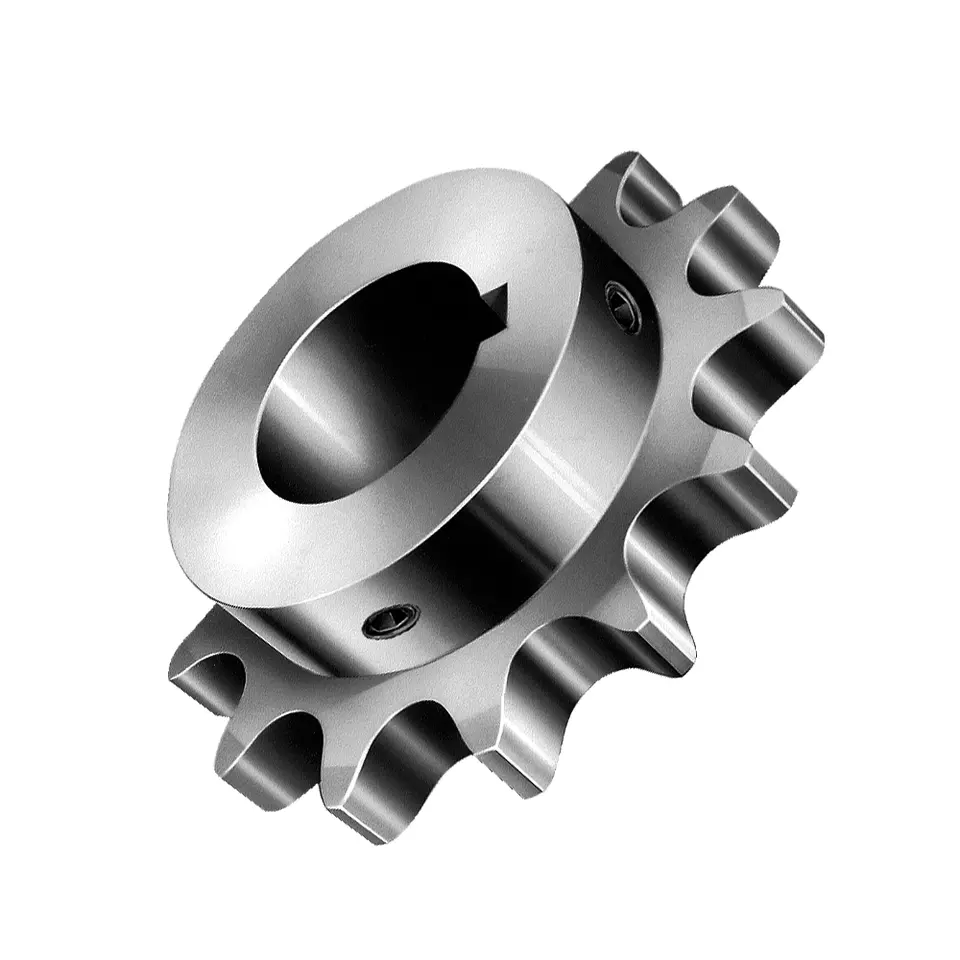
Safety Precautions for Working with wheel sprocket Systems
Working with wheel sprocket systems involves potential hazards, and it’s essential to follow safety precautions to prevent accidents and injuries. Here are some safety measures to consider:
- Proper Training: Ensure that anyone working with the wheel sprocket systems is adequately trained in their operation, maintenance, and safety procedures.
- Use Personal Protective Equipment (PPE): Always wear appropriate PPE, such as safety glasses, gloves, and protective clothing, to protect against potential hazards.
- Lockout/Tagout: Before performing any maintenance or repair work on the system, follow lockout/tagout procedures to prevent accidental startup or energization.
- Keep Work Area Clean: Maintain a clean work area and remove any debris or obstacles that could interfere with the operation of the system.
- Inspect Regularly: Regularly inspect the wheels, sprockets, and chains for signs of wear, damage, or misalignment. Address any issues promptly.
- Ensure Proper Lubrication: Adequate lubrication of the sprockets and chains is crucial for smooth operation and to reduce friction and wear.
- Check Tension: Verify that the chain tension is within the recommended range. Too loose or too tight tension can lead to operational problems.
- Avoid Loose Clothing: Keep long hair, loose clothing, and jewelry away from moving parts to avoid entanglement.
- Follow Manufacturer’s Guidelines: Adhere to the manufacturer’s guidelines and recommendations for installation, operation, and maintenance of the wheel sprocket system.
- Use Guards and Enclosures: Install appropriate guards and enclosures to protect against contact with moving parts.
- Safe Handling: When transporting or handling heavy wheels or sprockets, use proper lifting techniques and equipment.
Prioritizing safety when working with wheel sprocket systems is essential to prevent accidents and maintain a safe working environment. Always be vigilant, follow safety protocols, and address any concerns promptly to ensure the well-being of everyone involved.
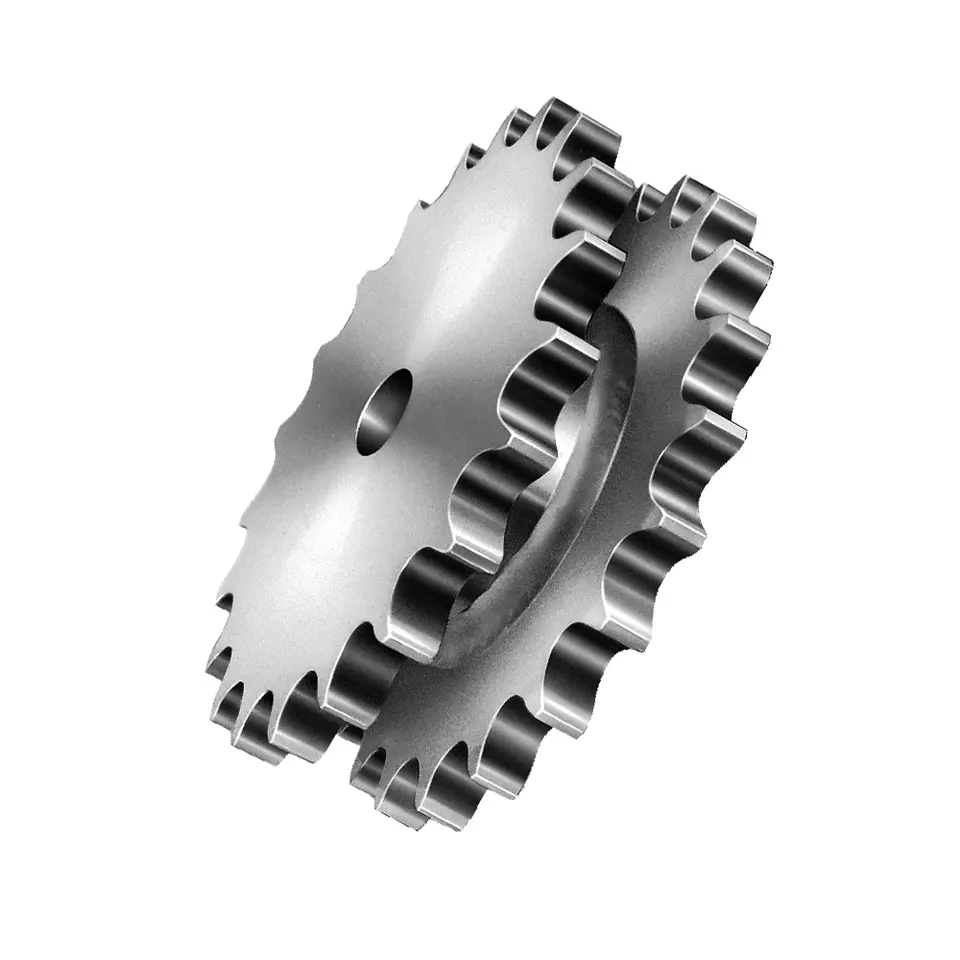
Temperature Limits for wheel sprocket System’s Operation
The temperature limits for a wheel sprocket system’s operation depend on the materials used in the construction of the components. Different materials have varying temperature tolerances, and exceeding these limits can lead to reduced performance, premature wear, and even system failure.
Here are some common materials used in wheel sprocket systems and their general temperature limits:
- Steel: Steel sprockets and wheels, which are widely used in many applications, typically have a temperature limit ranging from -40°C to 500°C (-40°F to 932°F). However, the specific temperature range may vary based on the grade of steel and any coatings or treatments applied.
- Stainless Steel: Stainless steel sprockets and wheels offer improved corrosion resistance and can withstand higher temperatures than regular steel. Their temperature limit is typically between -100°C to 600°C (-148°F to 1112°F).
- Plastics: Plastic sprockets and wheels are commonly used in low-load and low-speed applications. The temperature limit for plastic components varies widely depending on the type of plastic used. In general, it can range from -40°C to 150°C (-40°F to 302°F).
- Aluminum: Aluminum sprockets and wheels have a temperature limit of approximately -40°C to 250°C (-40°F to 482°F). They are often used in applications where weight reduction is critical.
It’s essential to consult the manufacturer’s specifications and material data sheets for the specific components used in the wheel sprocket system to determine their temperature limits accurately. Factors such as load, speed, and environmental conditions can also influence the actual temperature tolerance of the system.
When operating a wheel sprocket system near its temperature limits, regular monitoring and maintenance are necessary to ensure the components’ integrity and overall system performance. If the application involves extreme temperatures beyond the typical limits of the materials, specialized high-temperature materials or cooling measures may be required to maintain reliable operation.
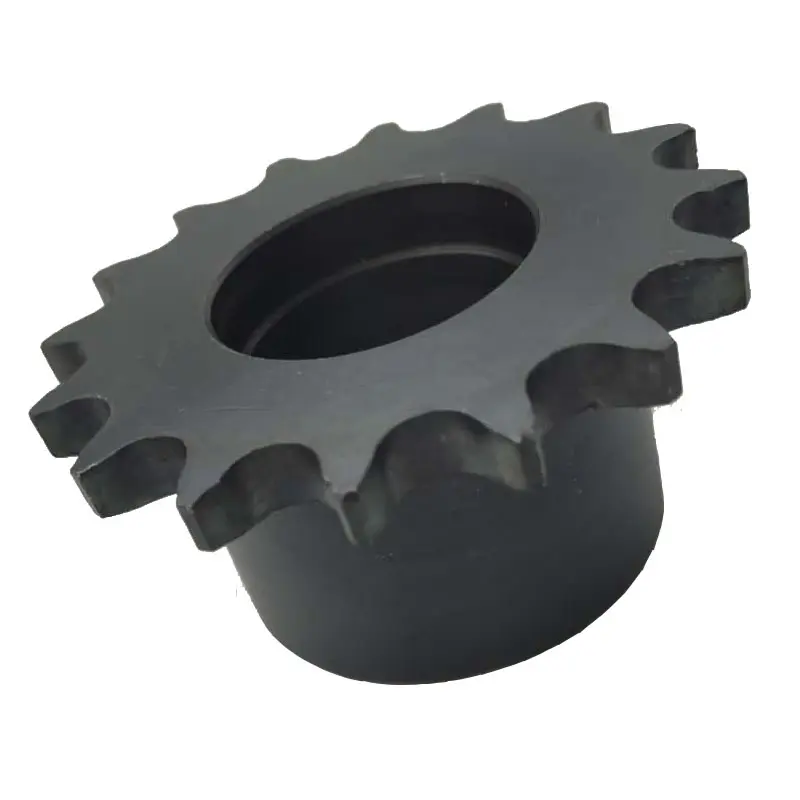
Role of a wheel sprocket in a Mechanical System
In a mechanical system, a wheel sprocket play a crucial role in transferring motion and power from one component to another. They are essential elements of various machines and mechanisms, such as bicycles, conveyor systems, automobiles, and industrial machinery. Let’s explore their functions in more detail:
1. Wheel:
The wheel is a circular component with a central shaft (axle) that allows it to rotate freely around the axle’s axis. Its primary functions include:
- Motion Transmission: When a force is applied to the wheel’s outer edge, it rotates around the axle, enabling the transfer of linear motion into rotational motion.
- Load Bearing: The wheel’s structure and material are designed to support and distribute the load placed on it, allowing smooth movement over various surfaces.
- Reduction of Friction: By using wheels, the friction between the moving object and the ground is significantly reduced, making it easier to move heavy loads with less effort.
- Directional Control: Wheels can be attached to steering mechanisms to control the direction of movement in vehicles and other equipment.
2. Sprocket:
A sprocket is a toothed wheel designed to mesh with a chain or a belt, facilitating motion transfer between the sprocket and the chain/belt. Its key functions include:
- Power Transmission: When rotational force (torque) is applied to the sprocket, the teeth engage with the links of the chain or belt, transferring motion and power from one sprocket to another.
- Speed and Torque Conversion: Different-sized sprockets can be used to adjust the speed and torque of the driven component in a mechanical system.
- Positive Drive: The teeth on the sprocket and the links on the chain/belt create a positive drive system, reducing the likelihood of slippage or loss of power during operation.
- Chain/Belt Tensioning: Sprockets help maintain proper tension in the chain or belt, ensuring optimal performance and longevity of the power transmission system.
Together, wheels and sprockets form a vital part of mechanical systems, enabling efficient motion transmission, power transfer, and control in a wide range of applications across various industries.


editor by CX 2023-12-19