SP Series Roller Chain | Heavy Short Pitch

Manufactured strictly to ANSI B29.1 dimensional standards, the SP series roller chain retains the compact pitch length of standard configurations while heavily augmenting the inner and outer side plates. By utilizing the plate thickness of the next larger pitch size, this mechanism drastically multiplies ultimate tensile strength and cyclic fatigue resistance. This robust architecture actively prevents plastic elongation and pin shear without forcing a complete redesign of the machine’s rotating hubs, making it the premier choice for skid steers, heavy agricultural equipment, and high-impact industrial applications.
Kinematic Physics: The SP Series Architecture
Mechanical engineers frequently face a strict spatial dilemma when upgrading commercial machinery: the prime mover requires a transmission capable of handling massive torque spikes, but the internal chassis clearances cannot physically accommodate a larger dimensional pitch. The SP Series (Heavy Short Pitch) Roller Chain explicitly resolves this engineering bottleneck.
To fully comprehend the mechanical superiority of the Heavy Short Pitch design, facility managers must dissect the fundamental anatomy of chain mechanisms. A standard ANSI linkage relies on a calculated mathematical balance between plate thickness, pin diameter, and pitch length. When deployed in earthmoving skid steers or heavy agricultural balers, the transmission is continuously subjected to recurrent and violent shock loads. A standard side plate will physically yield under these sudden tension spikes. This plastic deformation permanently elongates the assembly, destroying the mathematical alignment with the driven gear.
A frequent question from junior plant operators is, What is a chain and sprocket? In high-load industrial terms, it is an unyielding kinetic bridge that must absorb and transfer engine horsepower flawlessly. The SP Series (frequently indexed as HSP for High-Strength Short Pitch) actively prevents plastic deformation by increasing the cross-sectional area of the steel plates. In engineering physics, structural stress is calculated as force divided by area. By deploying thicker plates, the cross-sectional area is significantly enlarged, which directly lowers the localized stress experienced by the metal during a heavy shock load. Furthermore, maintaining a short pitch dimension allows the assembly to engage a higher quantity of sprocket teeth simultaneously during rotation, distributing the massive shearing forces across a wider arc of the hub. When comparing these rigid industrial prime movers to a high-speed motorcycle chain & sprocket configuration, the engineering priorities diverge completely; the SP Series abandons lateral flex entirely, dedicating 100% of its metallurgical structure to raw, longitudinal pulling power.
HSP Engineering Specification Matrix
The empirical data documented below strictly outlines the geometric clearances mandated by ANSI specifications. Engineers must rigorously evaluate the Ultimate Tensile Strength (Q min) parameter against the maximum shock loads generated by their specific equipment. The safe working load is conventionally engineered at roughly one-sixth of this ultimate capacity. Additionally, millwrights must verify the Plate Thickness (T) and the maximum Pin Length (L max) against their existing chassis guides.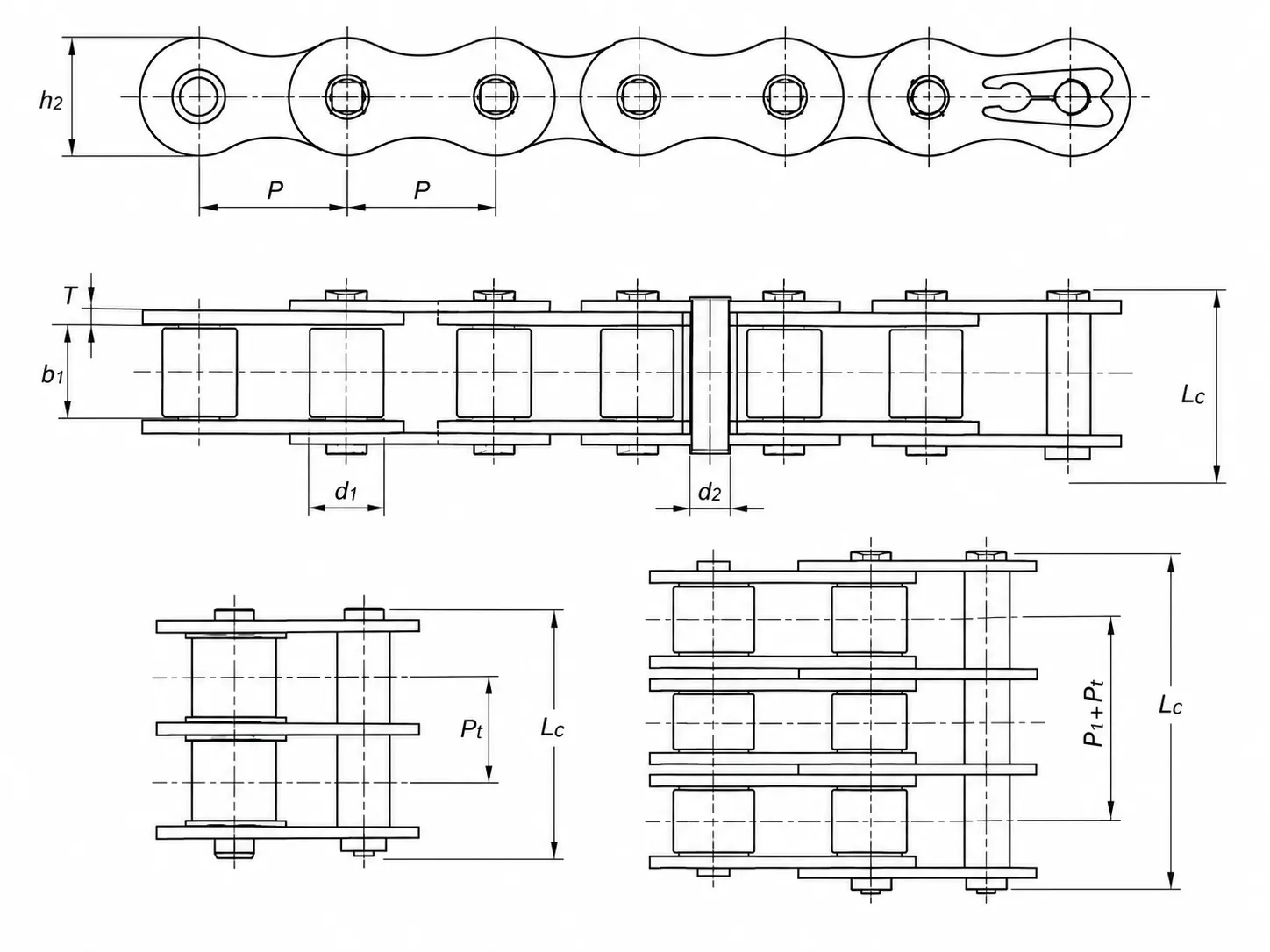
| Chain No. | Pitch (P) mm | Roller Dia | Inner Width | Pin Dia | Pin L max | Pin Lc max | Plate Depth | Plate Thick (T) | Ult Tensile kN | Avg Tensile kN | Weight kg/m |
|---|---|---|---|---|---|---|---|---|---|---|---|
| Simplex (1-Strand) | |||||||||||
| 80HSP-1 | 25.40 | 15.88 | 15.75 | 7.94 | 36.2 | 38.9 | 24.1 | 4.0 | 89.2 | 98.1 | 3.36 |
| 100HSP-1 | 31.75 | 19.05 | 18.95 | 9.54 | 43.6 | 46.9 | 30.1 | 4.8 | 131.8 | 145.0 | 4.90 |
| 120HSP-1 | 38.10 | 22.23 | 25.22 | 11.11 | 53.5 | 57.5 | 36.2 | 5.6 | 176.0 | 196.0 | 7.12 |
| 140HSP-1 | 44.45 | 25.40 | 25.22 | 12.71 | 57.6 | 62.2 | 42.2 | 6.4 | 231.9 | 255.0 | 8.88 |
| 160HSP-1 | 50.80 | 28.58 | 31.55 | 14.29 | 68.2 | 73.0 | 48.2 | 7.2 | 294.5 | 324.0 | 11.72 |
| 200HSP-1 | 63.50 | 39.68 | 37.85 | 19.85 | 86.6 | 93.5 | 60.3 | 9.5 | 543.6 | 598.0 | 19.80 |
Internal Component Metallurgy
The functional lifespan of the SP Series is determined by its discrete metallurgy. It is a highly synchronized system of distinct metallic profiles operating flawlessly in unison.
Through-Hardened Alloy Pins
Unlike conventional case-hardened pins—which feature a hard crust but a soft core—our alloy pins are thermally processed entirely through their cross-section. This yields a uniform, dense martensitic structure that violently resists both abrasive surface wear and sudden transverse shear forces.
Seamless Cold-Extruded Bushings
Acting as the primary internal bearing surface against the pin, the solid bushing absorbs the massive compressive forces transferred from the outer rollers. Extruding these from cold steel entirely eliminates physical seams, providing seamless wear resistance that protects the internal lubrication film.
Shot-Peened Thickened Plates
The augmented steel plates are aggressively bombarded with micro-spheres at high velocities. This mechanical cold-working process induces a deep layer of beneficial residual compressive stress, sealing microscopic stamping imperfections and dramatically delaying the onset of fatigue cracking.
Transverse Load Dispersion: Multiplex Arrays
When commercial torque requirements entirely eclipse the safe yield threshold of a single-strand arrangement, mechanical engineering dictates a transition to a multiplex array. The duplex (double-strand) and triplex (triple-strand) SP configurations mechanically fuse multiple rows of thickened side plates together using elongated, case-hardened cross-pins. By geometrically distributing the massive radial stress across two or three distinct load-bearing planes, the per-pin shear force drops dramatically. This critical structural distribution prevents explosive failure in unpredictable environments, such as heavy lumber debarkers, offshore drilling draw-works, and multi-ton rotary mixers.
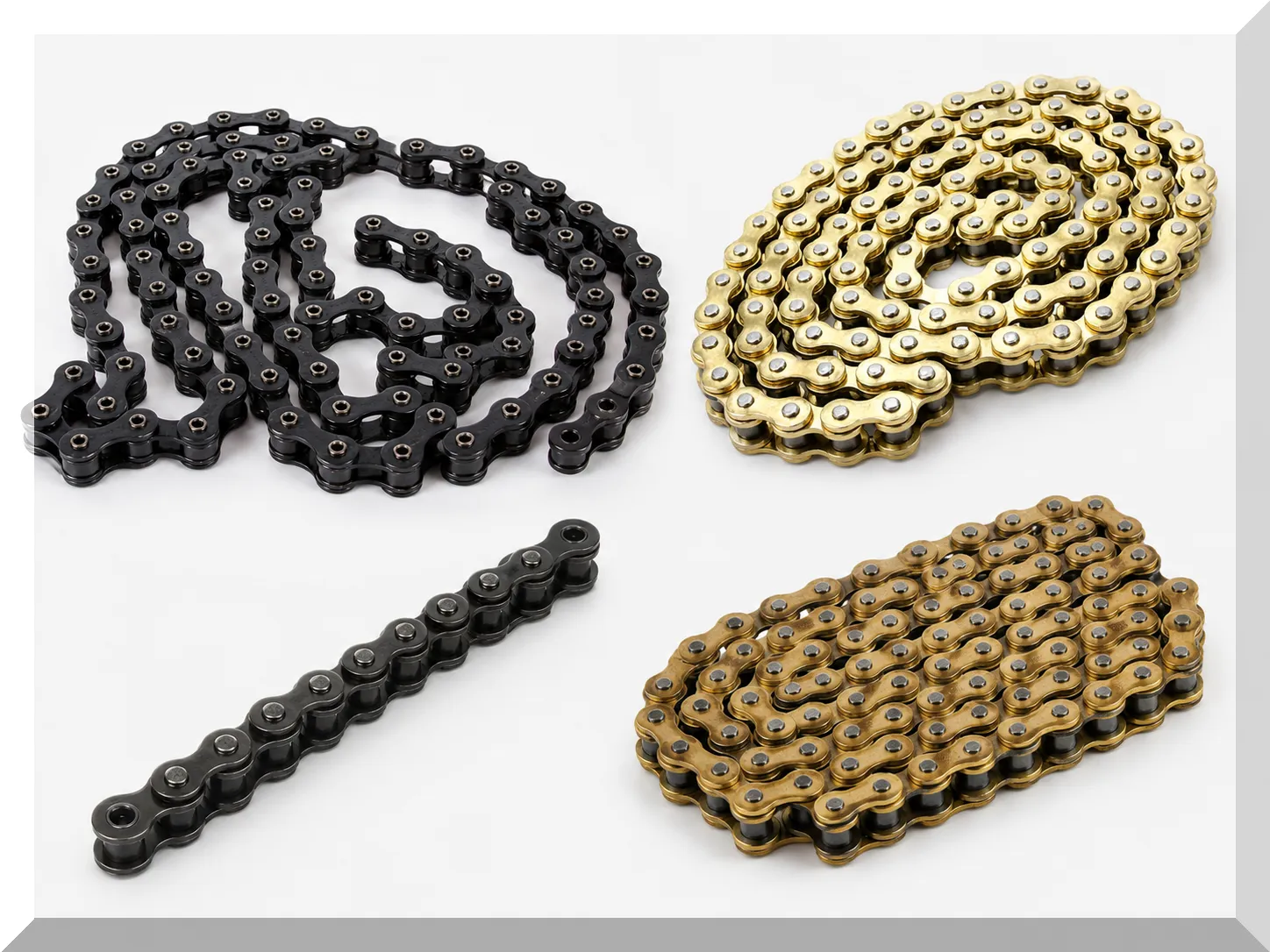
An absolutely vital parameter introduced in multiplex design is the Transverse Pitch (Pt). This parameter precisely defines the exact centerline-to-centerline lateral distance between the parallel roller rows. Because the SP series utilizes heavily thickened plates, the Transverse Pitch is significantly wider than standard ANSI variants. This geometric reality presents a highly critical installation variable. Multi-strand sprockets must be hobbed with micrometer accuracy to perfectly match this expanded Pt spacing. If standard commercial sprockets are utilized, the geometric mismatch will force the thick inner plates to physically collide with the tooth flanks. This prevents the rollers from seating securely in the root cavity, causing the entire assembly to ride perilously high on the involute curve. This severe asymmetrical loading immediately tears the inner plates, accelerates pin galling, and completely shatters the heavy-duty assembly within hours of operation. Accurate specification from the duplex and triplex tables guarantees perfect parallel power distribution across the entire drivetrain. Installation of these massive arrays, particularly the triplex variants, strictly requires specialized hydraulic pressing equipment to assemble the master links without distorting the rigid outer plates.
| Chain No. | Pitch (P) mm | Roller Dia | Inner Width | Pin Dia | Pin L max | Plate Thick | Transverse (Pt) | Ult Tensile kN | Weight kg/m |
|---|---|---|---|---|---|---|---|---|---|
| Duplex (2-Strand) | |||||||||
| 80HSP-2 | 25.40 | 15.88 | 15.75 | 7.94 | 68.8 | 4.0 | 32.59 | 178.4 | 6.65 |
| 100HSP-2 | 31.75 | 19.05 | 18.95 | 9.54 | 82.7 | 4.8 | 39.09 | 263.6 | 9.71 |
| 120HSP-2 | 38.10 | 22.23 | 25.22 | 11.11 | 102.4 | 5.6 | 48.87 | 356.4 | 14.12 |
| 140HSP-2 | 44.45 | 25.40 | 25.22 | 12.71 | 109.8 | 6.4 | 52.20 | 463.6 | 17.38 |
| 160HSP-2 | 50.80 | 28.58 | 31.55 | 14.29 | 130.1 | 7.2 | 61.90 | 588.0 | 23.00 |
| 200HSP-2 | 63.50 | 39.68 | 37.85 | 19.85 | 164.9 | 9.5 | 78.31 | 1091.0 | 38.50 |
| Triplex (3-Strand) | |||||||||
| 80HSP-3 | 25.40 | 15.88 | 15.75 | 7.94 | 101.4 | 4.0 | 32.59 | 267.6 | 9.95 |
| 100HSP-3 | 31.75 | 19.05 | 18.95 | 9.54 | 121.8 | 4.8 | 39.09 | 395.4 | 14.53 |
| 120HSP-3 | 38.10 | 22.23 | 25.22 | 11.11 | 151.2 | 5.6 | 48.87 | 534.5 | 21.12 |
| 140HSP-3 | 44.45 | 25.40 | 25.22 | 12.71 | 162.0 | 6.4 | 52.20 | 695.5 | 25.88 |
| 160HSP-3 | 50.80 | 28.58 | 31.55 | 14.29 | 192.0 | 7.2 | 61.90 | 882.7 | 34.22 |
| 200HSP-3 | 63.50 | 39.68 | 37.85 | 19.85 | 243.2 | 9.5 | 78.31 | 1627.3 | 57.29 |
Applied Tribology in High-Friction Environments
Applying heavy external grease to an industrial power transmission operating in abrasive agricultural conditions does not constitute mechanical lubrication; it constitutes environmental contamination. Heavy, tacky greases categorically fail to penetrate the microscopic internal clearances of the linkage. Instead, they act as an aggressive magnet for airborne silica dust, dirt, and crop chaff, actively forming a highly destructive grinding paste directly over the bearing surfaces. This abrasive compound will rapidly destroy the carbonitrided steel pins, artificially accelerating mechanical elongation regardless of the augmented plate thickness.
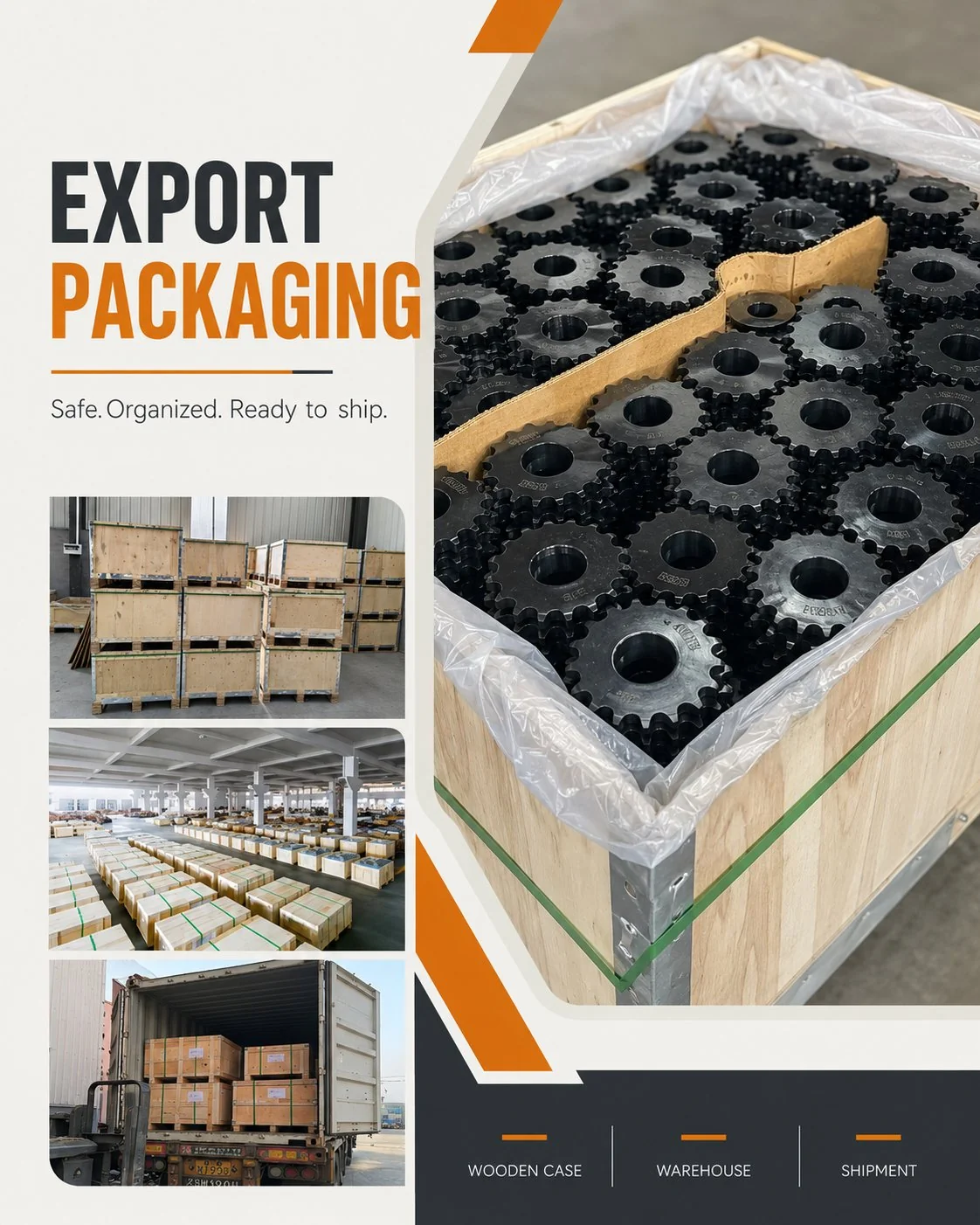
To maximize operational longevity, precise elastohydrodynamic fluid placement is absolutely essential. Maintenance crews must deposit high-viscosity, penetrating synthetic oils specifically into the microscopic gap existing between the inner and outer side plates. This exact capillary action forces the fluid inward, establishing the necessary hydrodynamic wedge directly between the hardened pin and the solid cold-extruded bushing. The fluid physically separates the metal surfaces, suppresses ambient kinetic noise, and dissipates the intense frictional temperatures generated during high RPM cycles. Furthermore, applying fluid between the inner plate and the external roller ensures smooth rotary action as the roller drops into the hub's root cavity. To guarantee this protection from cycle zero, all SP series chains utilize a factory hot-dipped lubrication process. The entire assembled unit is submerged in heated, low-viscosity anti-wear fluid. The heat lowers the fluid's viscosity, ensuring 100% saturation of all internal micro-clearances before the oil cools and thickens, effectively sealing out environmental moisture and oxidation. When evaluating a heavy duty roller chain, verifying the presence of this internal factory lubrication is paramount to achieving the advertised fatigue lifespan.
Hub Compatibility and Gear Tooth Dynamics
The immense pulling power of the SP Series dictates stringent requirements for the receiving rotary hubs. A critical maintenance failure occurs when operators install a brand new, highly rigid SP linkage over severely worn, hooked gear teeth. Understanding the anatomy of a sprocket is essential to prevent rapid destruction. A high-quality hub features a precisely CNC hobbed involute curve. As the solid rollers drop into the root cavity under massive tension, the hardened teeth guide the rollers seamlessly without aggressive metal-on-metal sliding. Because the simplex SP Series identically mirrors the dimensional envelope of standard ANSI Heavy linkages, it remains fully compatible with standard ANSI single-strand sprockets regarding width and roller clearance.
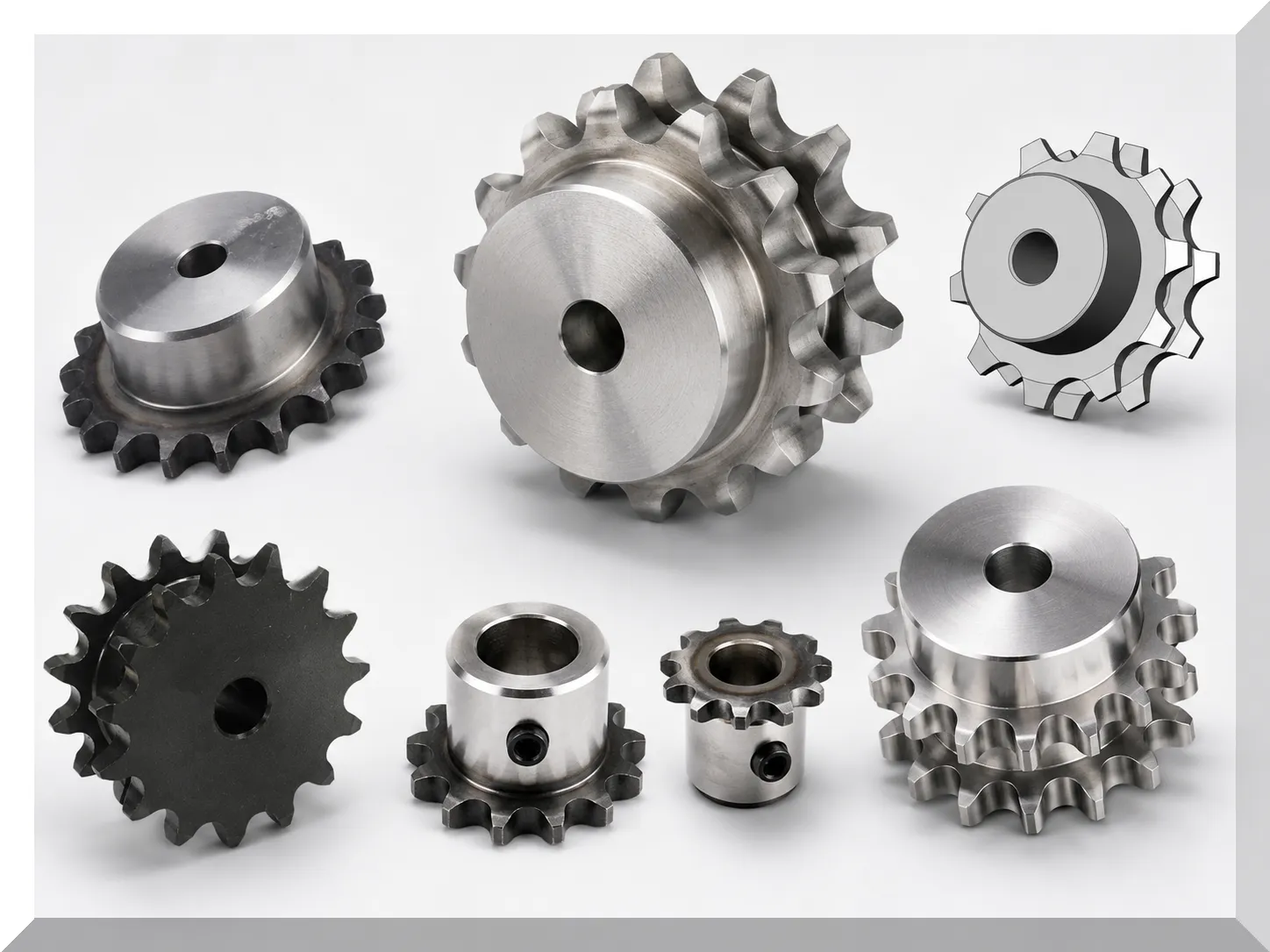
However, to safely handle the massive torque ratings output by the SP chain, mechanical engineers strongly advise utilizing sprockets featuring high-frequency induction hardened teeth (achieving HRC 45-50). This exact, targeted thermal treatment dramatically resists the abrasive friction of the high-speed rollers while intentionally maintaining a ductile, softer core within the sprocket body to absorb unpredictable machine vibrations. Operating a brand new, high-tensile SP linkage on severely worn sprocket teeth will force the deformed gear geometry to forcefully grind away the hardened surface of the new rollers, effectively cutting the lifespan of the newly installed transmission upgrade in half. Always replace the toothed hubs simultaneously when upgrading to an SP configuration to ensure perfect kinetic harmony across the entire driveline. For multi-strand configurations, you must explicitly specify sprockets hobbed with the expanded transverse pitch to prevent catastrophic drivetrain failure.
High-Shock Application Environments
The uncompromising tensile capacity and extreme shock resistance of the SP Series allow it to thrive in the absolute apex of heavy industrial environments across Asia and globally. These assemblies are rigorously specified as the component of last resort for equipment subjected to recurrent heavy shock loads and highly unpredictable environmental friction.
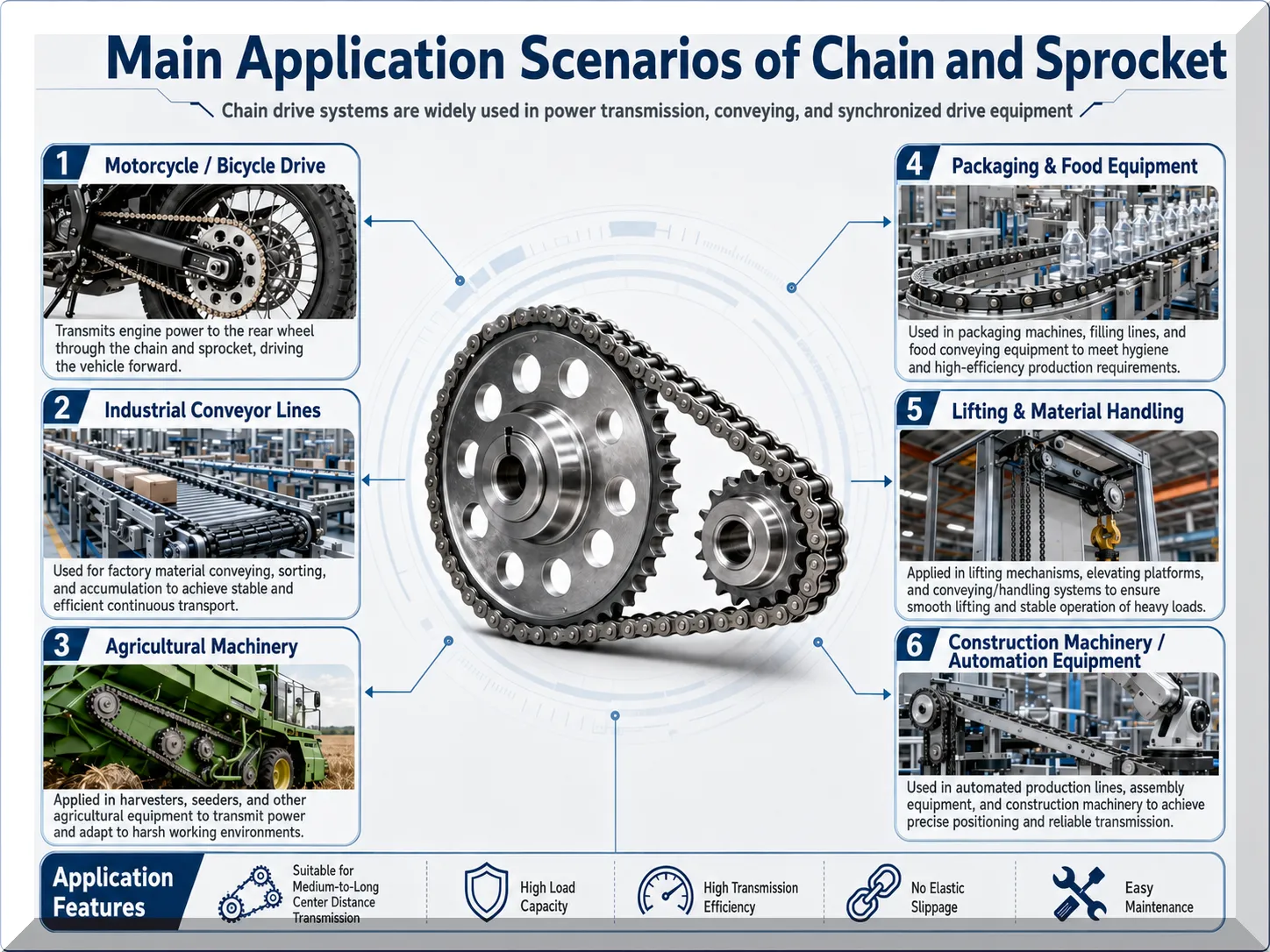
🚜 Earthmoving & Construction
Operating massive tracked skid steers and trenching excavators subjects the primary drives to violent directional reversals. The hardened pins of the SP series actively resist the immense shear forces generated when a track binds against bedrock or dense clay.
🌾 Agricultural Harvesting
Modern forage balers pack high-moisture silage under immense internal chamber pressures. The sudden, violent torque spike generated precisely when the bale finishes compression stretches standard commercial drives rapidly. The SP Series prevents this.
🏗️ Heavy Logistics & Steel
Moving multi-ton raw logs, processed structural steel, or dense aggregates subjects drivetrains to continuous high-friction drag. Standard linkages quickly snap their connecting pins. The hardened pins and shot-peened plates actively resist abrasive galling.
ISO Certified Manufacturing Infrastructure
Achieving a consistent, documentable increase in ultimate tensile strength requires an infrastructure dedicated entirely to extreme metallurgical science. At Korea Ever-Power Chain and Sprocket Co.,Ltd, our heavily automated production lines operate strictly under ISO9001 and API certifications. With advanced CNC and thermal processing stations, we systematically eliminate the structural inconsistencies inherent in manual mechanical assembly. Our continuous mesh-belt furnaces apply precise, uniform heat treatment across every single pin and bushing, maximizing surface hardness against abrasive wear.
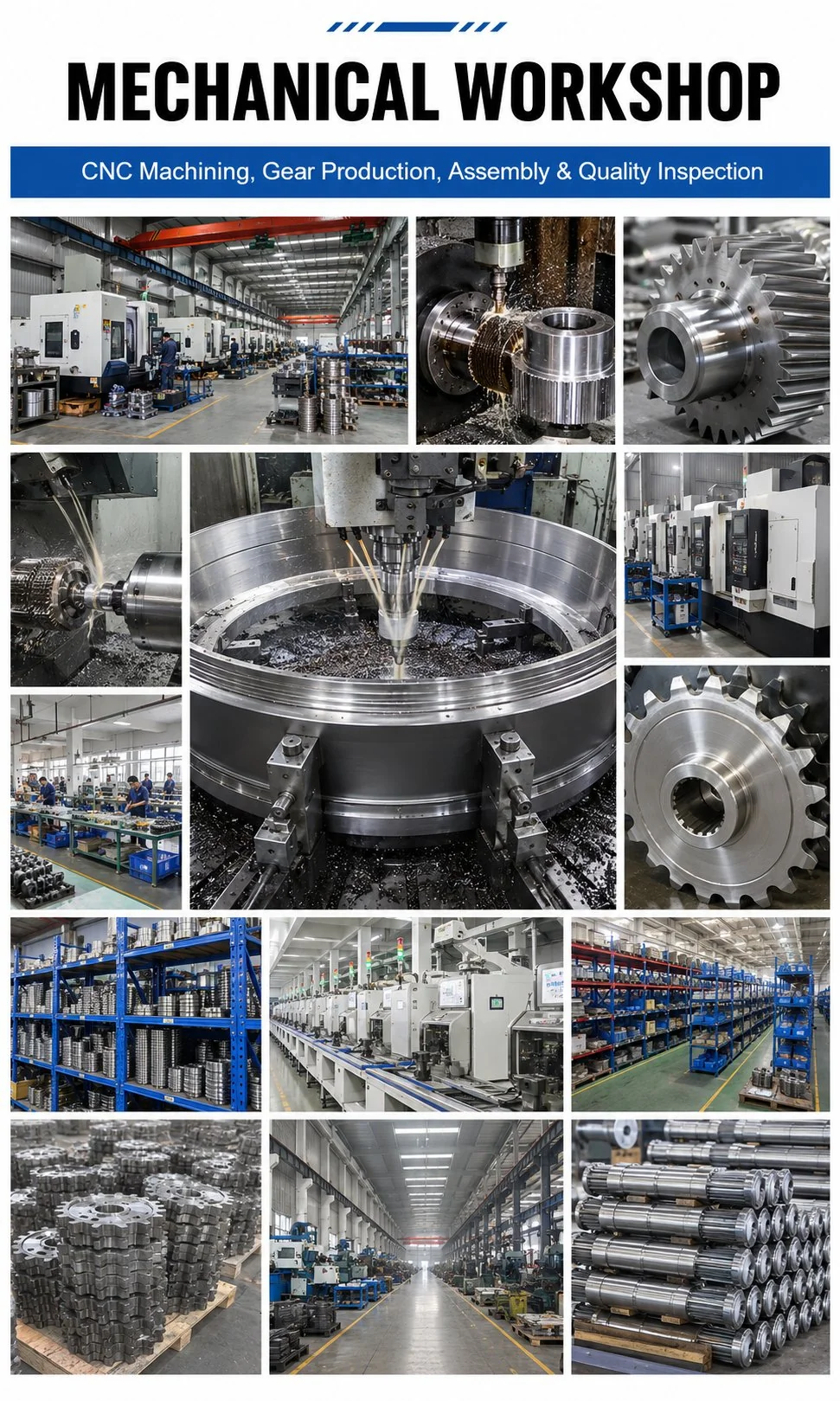
Furthermore, every SP chain undergoes aggressive hydraulic pre-loading before entering our vacuum packaging stations. Maintaining dimensional stability right out of the box is the hallmark of professional industrial manufacturing. When a standard commercial drive is newly installed, the micro-imperfections remaining from the stamping and assembly processes begin to seat under the initial motor load. This causes the entire assembly to suddenly elongate during the first 48 hours of operation, forcing maintenance teams to halt production to adjust mechanical turnbuckles. By physically pulling the assembly to roughly 30% of its ultimate breaking limit on the factory floor, we permanently seat the internal components, guaranteeing a zero-stretch startup when the part reaches your facility. Without excessive initial chain stretch, you experience substantially less wear on the drive sprockets, drastically increasing your operational uptime and lowering long-term maintenance labor costs. Available in standard 10-foot boxes including one connecting master link, or supplied in massive 50-foot and 100-foot industrial reels for continuous OEM manufacturing lines.
Engineering Diagnostics FAQ
What dictates the physical fatigue limit of a heavy duty linkage? +
Why are standard multiplex sprockets incompatible with the SP Series? +
Can I repair a broken SP multiplex assembly using standard connecting links? +
At what specific percentage of elongation is replacement mandated? +
How strong is the 40HSP compared to standard ANSI 40? +
Verified Industrial Client Feedback
Theoretical metallurgical specifications are validated solely through extreme field endurance. The unedited technical feedback below originates from facility directors and heavy machinery OEMs across the Asian industrial base executing continuous high-torque operations.
"We specify the 100HSP explicitly for our heavy trencher primary drives. The sudden directional changes when hitting bedrock usually shear standard pins instantly. The thickened plates in this SP series absorb that violent kinetic shock beautifully. Our drivetrain warranty failure rates plummeted after we integrated these units."
"Upgrading the massive steel billet cooling beds to the 160HSP array resolved our lateral skewing issues entirely. It mates perfectly with our heavy hubs without any aggressive grinding, and the factory pre-loading saved our technicians days of initial tensioning labor."
"For the massive rotary balers, we rely exclusively on the 80HSP. The sheer tensile strength required to compress wet silage snaps generic aftermarket parts instantly. This specific series holds its internal vacuum lubrication tightly against the field dust, and the solid cold-extruded rollers don't shatter under the high-torque load."
"I run random destructive load tests on incoming parts batches for our assembly line. The 120HSP-1 components consistently match or exceed the stated ultimate tensile strength of 176.0 kN. The shot-peened plates visibly confirm the high-grade manufacturing process. It is a highly professional mechanical solution for heavy applications."
Additional information
| Editor | Cxm |
|---|
Related products
-
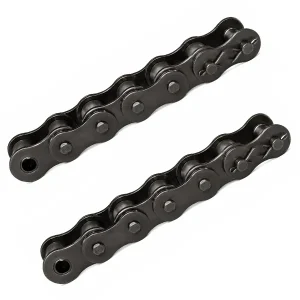
SH Series Roller Chains | High Strength Heavy Duty Short Pitch
-
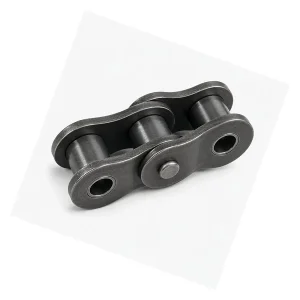
Motorcycle Drive Chain | 25 to 530H Series – Standard, Heavy & O-Ring
-
Double Pitch Transmission Chain (Series 208 through 232)
-
A Series Short Pitch Precision Roller Chains
-
12A-G2 Rubber Top Roller Chain
-
B Series Short Pitch Precision Roller Chains
-
Heavy Duty Roller Drive Chain: The Kinetic Core of Commercial Machinery