Plate Wheel Sprocket 081B-1 | DIN 8187 ISO 606 – 8 to 125 Teeth

Korea Ever-Power plate wheel sprockets 081B-1 comply with DIN 8187 / ISO/R 606 for 1/2 × 1/8 inch chain. With 47 tooth counts from 8Z to 125Z covering pitch circle diameters from 33 mm up to 505 mm, and a hub-free flat plate profile that fits where a conventional hubbed sprocket cannot, these are the practical choice for compact drive layouts in conveyor chain systems, packaging machinery, and agricultural equipment across Korea.
Plate Wheel Sprocket 081B-1 — European Standard, Hub-Free Design
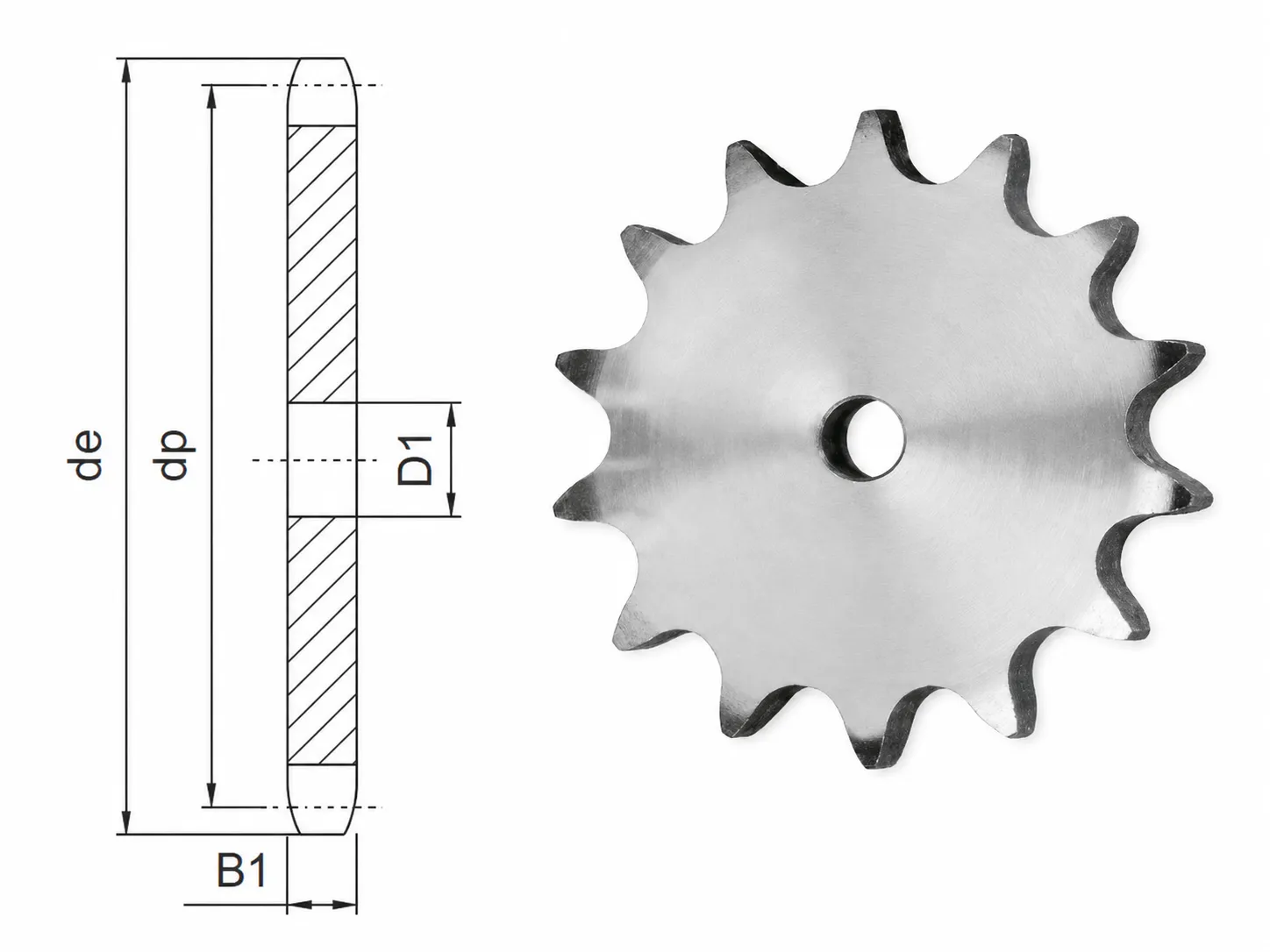
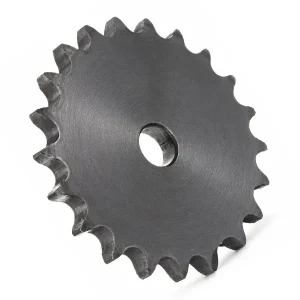
A plate wheel is a sprocket without a projecting hub — the bore passes directly through the flat disc body of the wheel, and the chain engages toothed projections machined around the circumference. This profile is sometimes called a "toothed disc" or "flat sprocket" in workshop terminology. The absence of a hub makes the plate wheel thinner in the axial direction than a conventional B-hub or C-hub sprocket, which is a practical advantage in cramped drive arrangements where shaft centre-to-face dimensions are constrained.
The 081B-1 designation follows the DIN 8187 coding system: 081 indicates the chain series (1/2 × 1/8 inch, pitch 12.7 mm), B indicates the European pitch standard, and 1 indicates simplex (single strand). Korea Ever-Power manufactures the 081B-1 series in grey cast iron to the full tooth count range specified in the DIN 8187 standard, from 8Z through 125Z.
- ⚙Chain series: 081B-1 (1/2 × 1/8 inch, pitch 12.7 mm) — DIN 8187 / ISO/R 606
- ⚙Tooth counts: 8Z to 125Z (47 standard sizes)
- ⚙Pitch circle diameter range: 33.18 mm (8Z) to 505.37 mm (125Z)
- ⚙Profile: flat plate, no hub projection — minimal axial space requirement
- ⚙Material: grey cast iron; custom bore and keyway available on request
Chain Reference Data — 081B-1 Matching Parameters
Before reading the main dimension table, confirm that the chain installed on your equipment matches the following parameters. A single mismatch — particularly on roller diameter or internal width — will cause incorrect tooth engagement and accelerated wear on both the chain and the sprocket.
| Parameter | Value |
|---|---|
| Pitch | 12.7 mm |
| Internal width | 3.3 mm |
| Roller diameter | 7.75 mm |
| Tooth radius r₃ | 13 mm |
| Radius width C | 1.0 mm |
| Tooth width B₁ | 3 mm |
| Plate width note | H=4 mm from Z=30; H=6 mm from Z=90 |
Full Dimensional Data — 081B-1 All Tooth Counts
The table lists tip diameter (de), pitch circle diameter (dp), and standard bore (D1) for every available tooth count from 8Z to 125Z. Tip diameter is the outer measurement across tooth peaks; pitch circle diameter is the functional engagement diameter. The bore column shows the smallest standard stock bore — contact us for any bore diameter up to the maximum physically possible for each wheel size.
| Z | de (mm) | dp (mm) | D1 Bore (mm) |
|---|---|---|---|
| 8 | 37.2 | 33.18 | 8 |
| 9 | 41.5 | 37.13 | 8 |
| 10 | 46.2 | 41.10 | 8 |
| 11 | 49.6 | 45.07 | 8 |
| 12 | 53.9 | 49.07 | 8 |
| 13 | 58.4 | 53.06 | 8 |
| 14 | 62.8 | 57.07 | 8 |
| 15 | 66.8 | 61.09 | 8 |
| 16 | 70.9 | 65.10 | 8 |
| 17 | 74.9 | 69.11 | 8 |
| 18 | 78.9 | 73.14 | 8 |
| 19 | 82.9 | 77.16 | 8 |
| 20 | 86.9 | 81.19 | 8 |
| 21 | 91.0 | 85.22 | 8 |
| 22 | 95.0 | 89.24 | 10 |
| 23 | 99.0 | 93.27 | 10 |
| 24 | 103.0 | 97.29 | 10 |
| 25 | 107.1 | 101.33 | 10 |
| 26 | 111.2 | 105.36 | 12 |
| 27 | 115.4 | 109.40 | 12 |
| 28 | 119.4 | 113.42 | 12 |
| 29 | 123.4 | 117.46 | 12 |
| 30 | 127.5 | 121.50 | 12 |
| 31 | 131.5 | 125.54 | 12 |
| 32 | 135.5 | 129.56 | 12 |
| 33 | 139.6 | 133.60 | 12 |
| 34 | 143.6 | 137.64 | 12 |
| 35 | 147.6 | 141.68 | 12 |
| 36 | 151.7 | 145.72 | 16 |
| 37 | 155.7 | 149.76 | 16 |
| 38 | 159.8 | 153.80 | 16 |
| 39 | 163.8 | 157.83 | 16 |
| 40 | 167.8 | 161.87 | 16 |
| 41 | 171.4 | 165.91 | 16 |
| 42 | 175.4 | 169.95 | 16 |
| 43 | 179.5 | 173.99 | 16 |
| 44 | 183.5 | 178.03 | 16 |
| 45 | 187.5 | 182.07 | 16 |
| 46 | 191.6 | 186.10 | 20 |
| 47 | 195.6 | 190.14 | 20 |
| 48 | 199.7 | 194.18 | 20 |
| 49 | 203.7 | 198.22 | 20 |
| 50 | 207.8 | 202.26 | 20 |
| 51 | 211.8 | 206.30 | 20 |
| 52 | 215.9 | 210.34 | 20 |
| 53 | 219.9 | 214.37 | 20 |
| 54 | 224.0 | 218.43 | 20 |
| 55 | 228.0 | 222.46 | 20 |
| 56 | 232.1 | 226.50 | 20 |
| 57 | 236.1 | 230.54 | 20 |
| 58 | 240.2 | 234.58 | 20 |
| 59 | 244.2 | 238.62 | 20 |
| 60 | 248.2 | 242.66 | 20 |
| 62 | 256.7 | 250.75 | 20 |
| 64 | 264.8 | 258.82 | 20 |
| 65 | 268.8 | 262.86 | 20 |
| 66 | 272.9 | 266.90 | 25 |
| 68 | 280.9 | 274.99 | 25 |
| 70 | 289.0 | 283.07 | 25 |
| 72 | 297.1 | 291.16 | 25 |
| 76 | 313.3 | 307.33 | 25 |
| 78 | 321.4 | 315.40 | 25 |
| 80 | 329.4 | 323.48 | 25 |
| 85 | 349.7 | 343.70 | 25 |
| 90 | 369.9 | 363.90 | 25 |
| 95 | 390.1 | 384.10 | 25 |
| 100 | 410.3 | 404.31 | 25 |
| 110 | 450.7 | 444.74 | 25 |
| 114 | 466.9 | 460.90 | 25 |
| 120 | 491.2 | 485.16 | 25 |
| 125 | 511.4 | 505.37 | 25 |
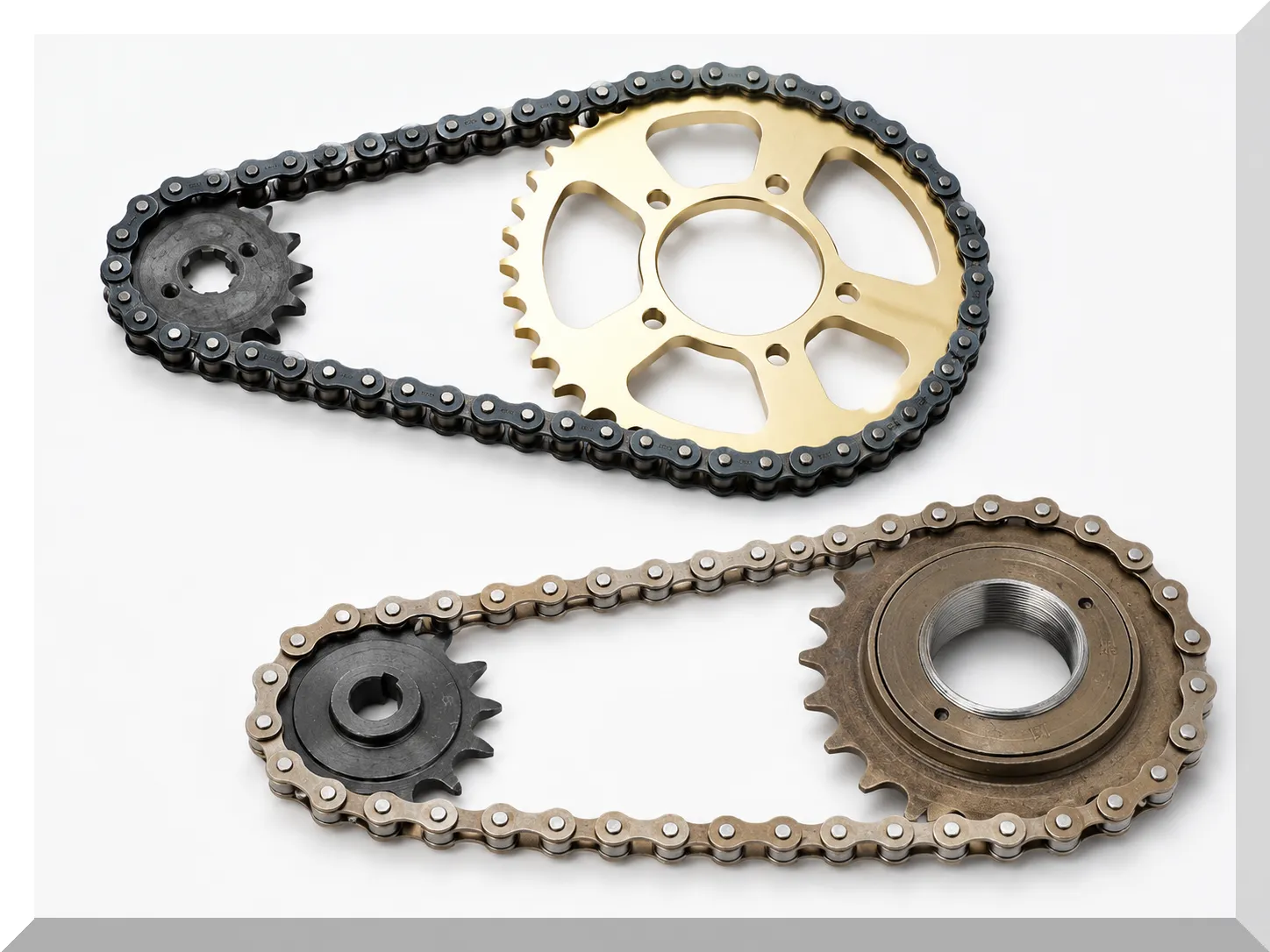
Plate Wheel vs. Hubbed Sprocket — Which Profile Do You Need?
Both plate wheels and hubbed sprockets engage the same DIN 8187 roller chain, but they serve different installation requirements. Choosing the wrong profile creates mounting problems that cannot be resolved without changing the sprocket type.
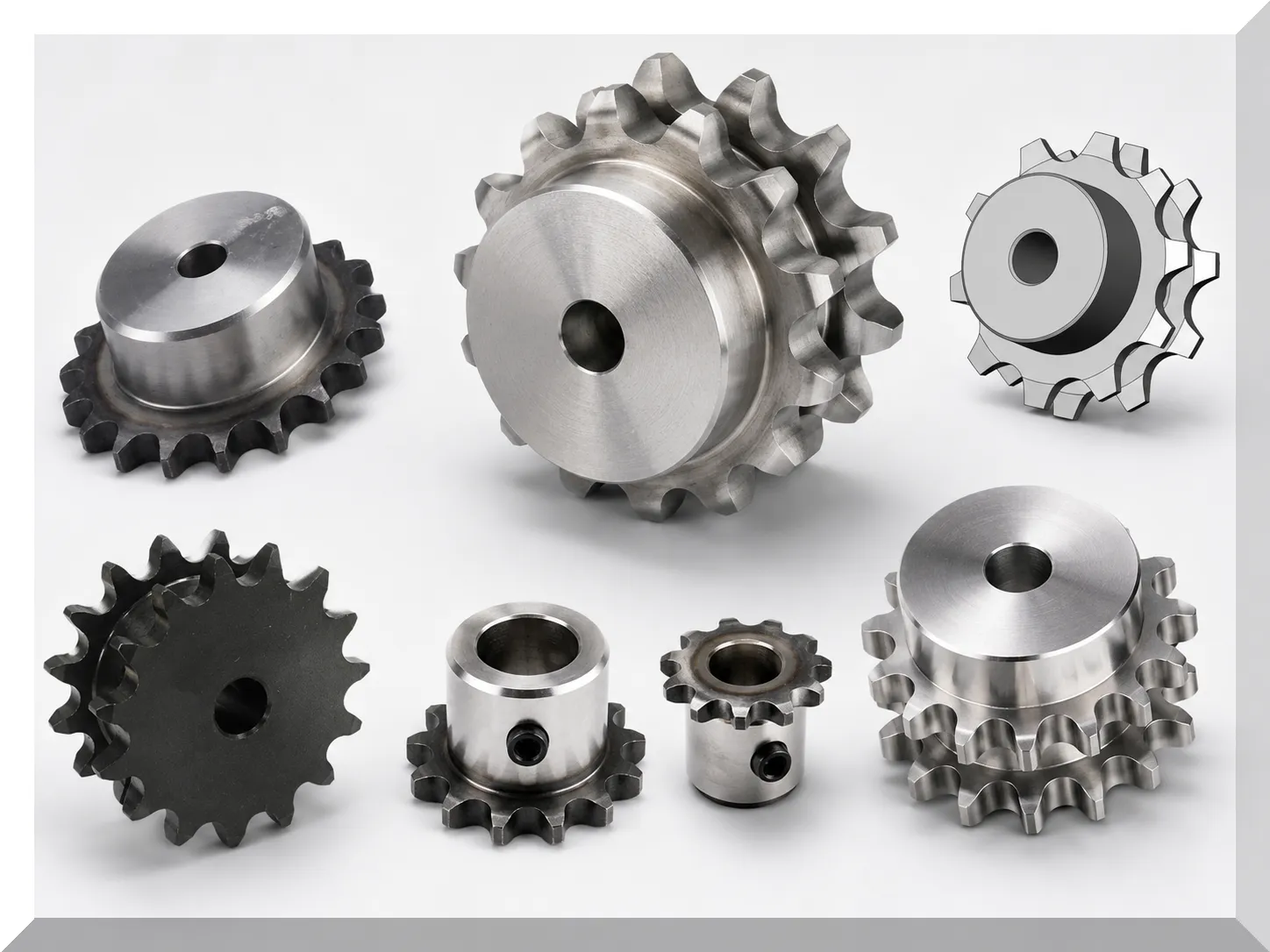
| Feature | Plate Wheel (081B-1) | B-Hub / C-Hub Sprocket |
|---|---|---|
| Axial thickness | Minimal — flat plate only | Hub projects beyond plate face |
| Shaft engagement | Bore through plate body only | Hub provides longer bore engagement |
| Torque capacity | Limited by plate thickness — suitable for moderate torque | Higher torque — longer key engagement |
| Ideal application | Tight shaft spacing, idlers, low-torque driven ends | Main drive sprockets, high-torque input shafts |
| Weld-on option | Yes — can be welded to a shaft flange | Weld-on hub type available separately |
| Cost | Lower — less material, simpler casting | Higher due to hub machining |
In practice, plate wheels are most often used on the driven (large) sprocket position in agricultural and conveyor drives, where shaft space is limited and the large diameter provides sufficient moment arm for torque transmission even without a hub.
Installation and Alignment — Plate Wheel Sprockets
Correct installation is as important as correct specification. A plate wheel fitted with misalignment or improper retention will wear chain and sprocket teeth at an accelerated rate even when all dimensional specifications are correct.
Typical Applications for 081B-1 Plate Wheel Sprockets
Matching Roller Chain for 081B-1 Plate Wheels
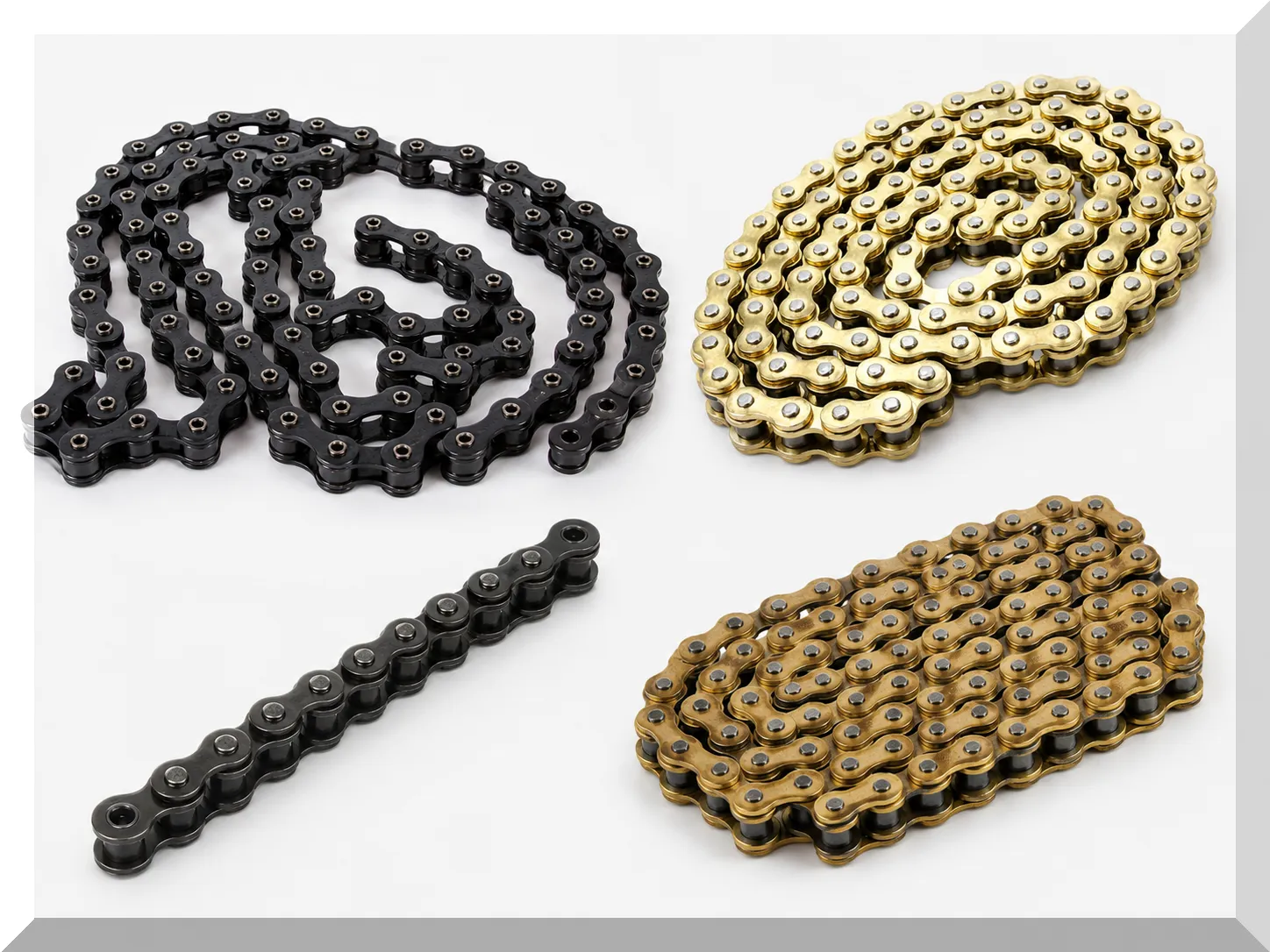
The 081B-1 plate wheel is designed for use with 081B roller chain to DIN 8187 — pitch 12.7 mm, roller diameter 7.75 mm, inner width 3.3 mm. This is a lighter-duty chain series than the more common 08B (also 12.7 mm pitch but wider at 7.75 mm inner width). Confirm your existing chain's inner width before ordering: 081B chain is 3.3 mm wide; 08B chain is 7.75 mm wide. The two series use different sprocket tooth widths and are not interchangeable despite sharing the same pitch. Korea Ever-Power stocks both series in simplex, duplex, and triplex configurations.
A complete chain and sprocket drive system supplied from a single manufacturer eliminates the dimensional tolerance accumulation that occurs when mixing chains and sprockets from different sources. All Korea Ever-Power 081B chain and 081B-1 plate wheels are manufactured to the same DIN 8187 tooth geometry, ensuring consistent roller-to-tooth engagement across the full range.
Why Korea Ever-Power Chain and Sprocket
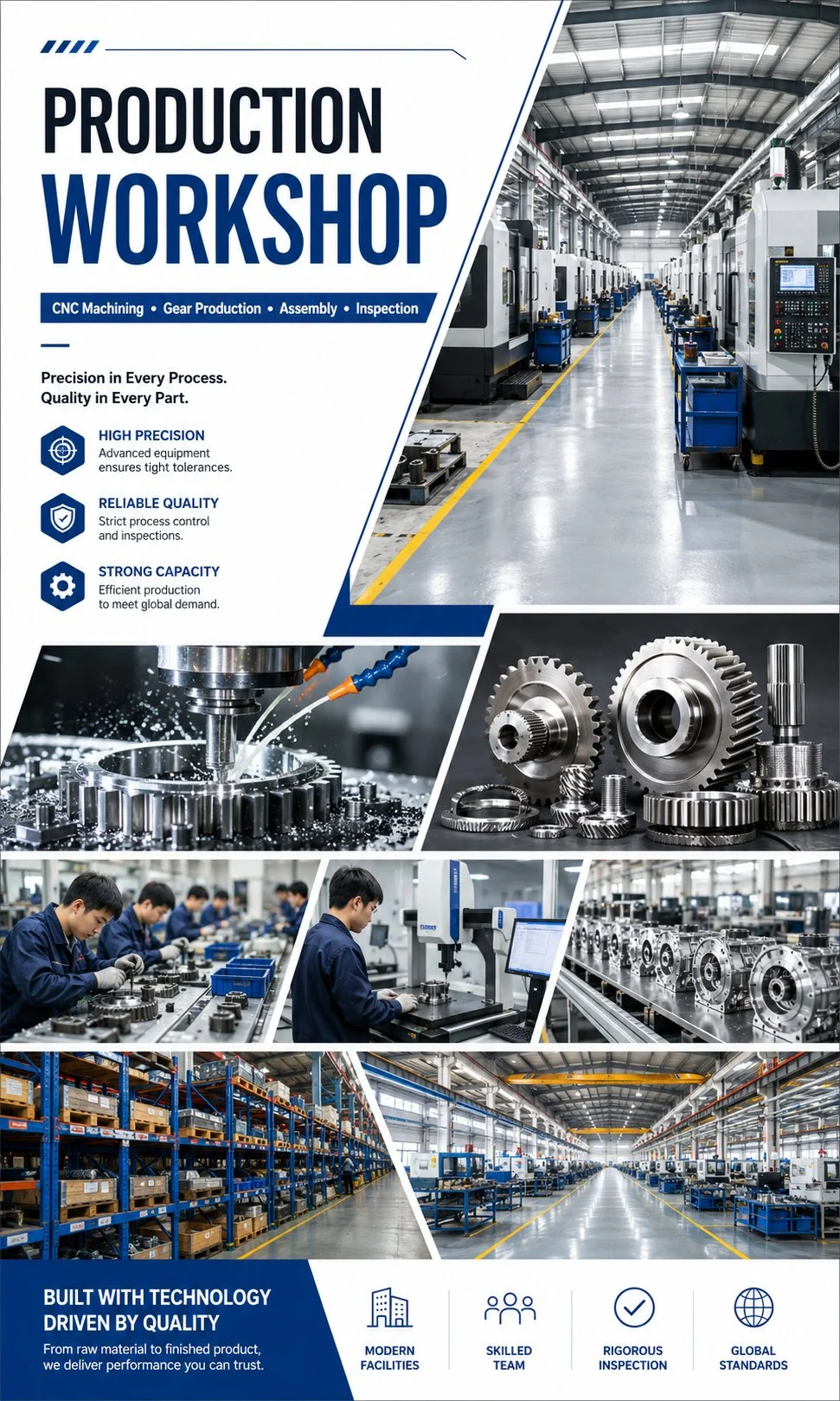
Korea Ever-Power Chain and Sprocket Co., Ltd. manufactures and stocks the complete 081B-1 plate wheel range for the Korean market:
Frequently Asked Questions
Customer Reviews
Verified feedback from customers in Korea and surrounding markets.
"We use 081B-1 plate wheels on the driven ends of our bottle labelling conveyors — shaft space is very limited at these positions and the flat profile was the only practical option. Korea Ever-Power supplied 20Z and 35Z wheels in the correct bore size without needing custom machining. Both sizes were in stock and delivered within eight days."
"Replaced 45Z and 60Z plate wheel sprockets on a seed drill metering drive. The Korean supplier we previously used could not get the 60Z in stock — Korea Ever-Power had it available. Dimensions matched the original exactly. The machine has been running through the full planting season without issues."
"We buy 081B-1 plate wheels in quantities of 50–100 units per order for our printing machine production line. Consistent bore diameter and tooth profile are important for us because we do not individually inspect every unit. In 18 months of purchasing from Korea Ever-Power, we have not had a fit problem on the assembly floor."
"We needed 081B-1 sprockets with a custom bore of 18mm for a loom drive. Korea Ever-Power machined the custom bore and added a 5mm keyway. Lead time was seven days for 12 pieces. The keyway dimensions were correct and the fit on the shaft was as specified."
"We replaced conveyor chain and sprockets together on a scheduled shutdown. Used Korea Ever-Power 081B chain and matching 081B-1 plate wheels. Running them in-together from a matched source has given us noticeably better running smoothness than the previous mixed-brand combination. No adjustment needed after the first 40 hours."
Additional information
| Editor | Cxm |
|---|
Related products
-
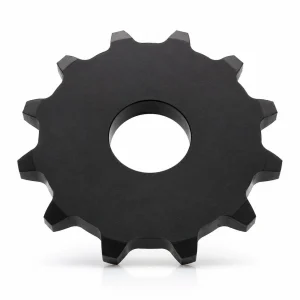
WR78 / WH78 Welded Steel Chain Sprockets | A-Plate 7–20 Teeth — Mild Steel & QT400 Hardened
-
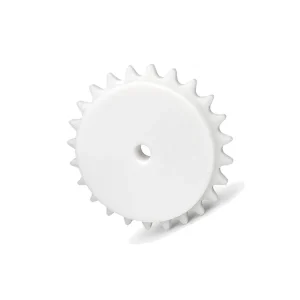
Plastic Sprockets | Nylatron, Acetal, Nylon — FDA-Approved, Self-Lubricating, Corrosion-Free
-
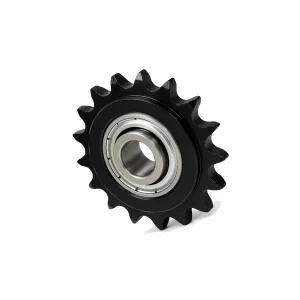
Idler Sprockets | Ball Bearing, Needle Bearing, Bronze & Non-Metallic — Chain Guide and Tensioner
-
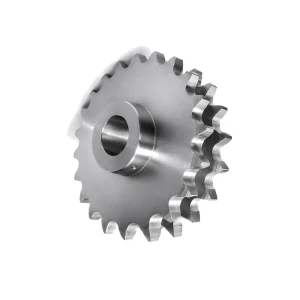
Double Pitch Sprockets | C2040 C2050 C2060 C2080 Standard & Carrier Roller Types
-
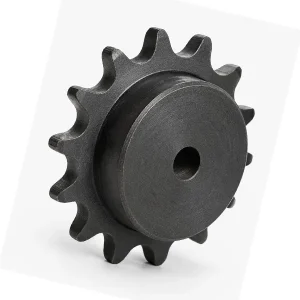
#240 Roller Chain Sprockets | A-Plate B-Hub C-Hub – 10 to 60 Teeth, 3-Inch Pitch
-
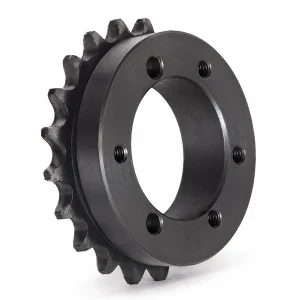
#180 Roller Chain Sprockets | A-Plate B-Hub C-Hub – 11 to 60 Teeth, SAE 1045
-
Roller Chain Sprockets | A-Plate & B-Hub – 18 to 72 Teeth, SAE 1045 Steel
-
Cast Iron Sprocket | DIN 8187 ISO 606