Piñones de cadena de rodillos #180 | Placa A, Cubo B, Cubo C – De 11 a 60 dientes, SAE 1045
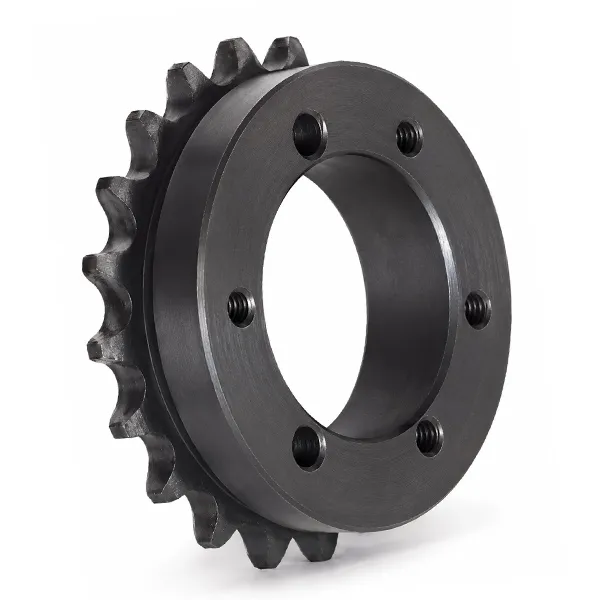
Corea Ever-Power Piñones de cadena de rodillos #180 están diseñados para accionamientos industriales pesados: paso de 2,25 pulgadas ANSI B29.1, acero SAE 1045, tres tipos de cubo que cubren de 11 a 60 dientes y diámetros exteriores de 9,010″ hasta 44,280″La unidad C-hub de 60 dientes más pesada pesa 489 lb; estas son las ruedas dentadas que se utilizan en acerías, cintas transportadoras mineras, líneas de prensas pesadas y a gran escala. cadena transportadora sistemas que operan en toda la industria pesada coreana.
Piñones de cadena #180 — Serie de transmisión industrial pesada
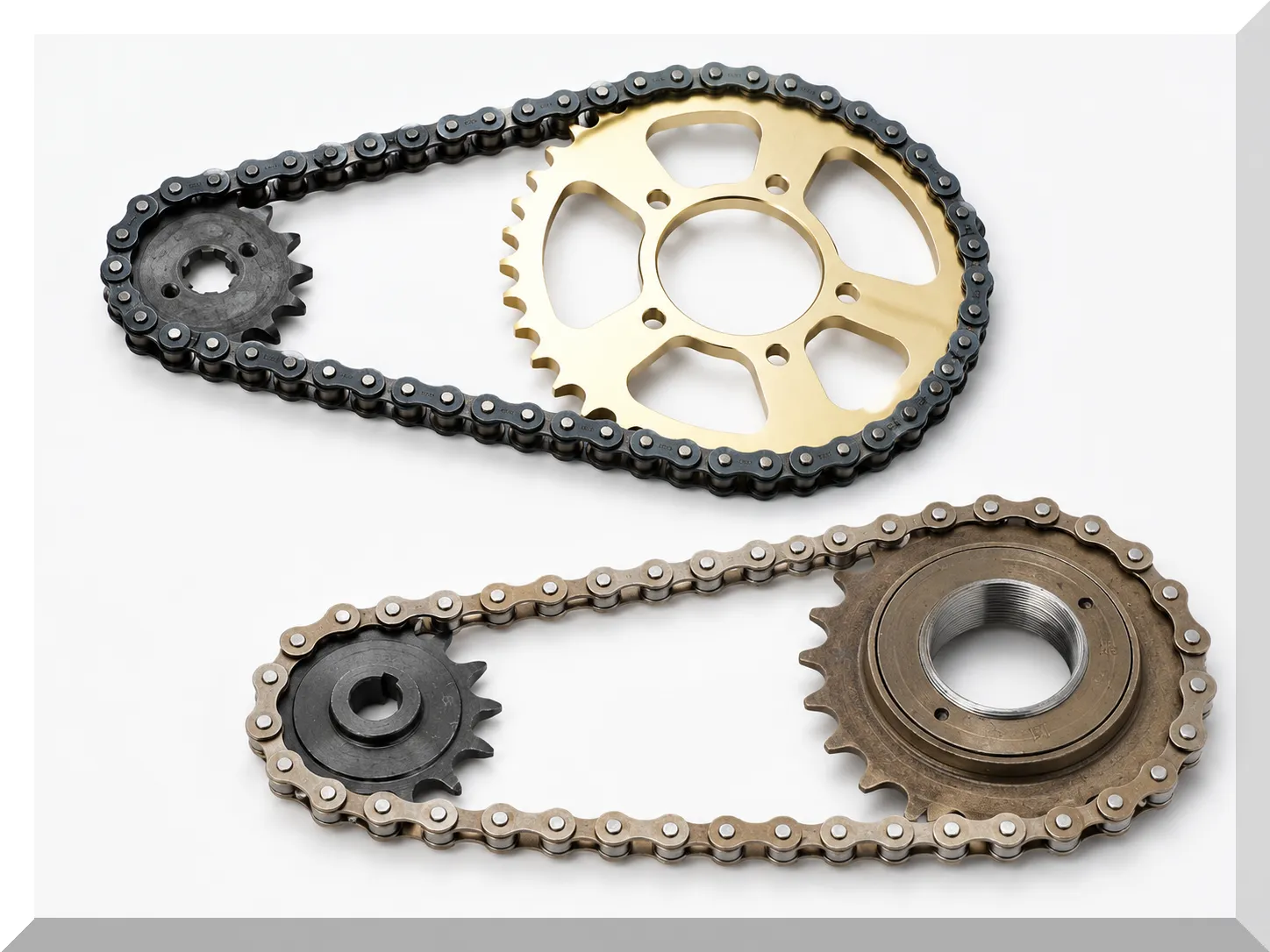
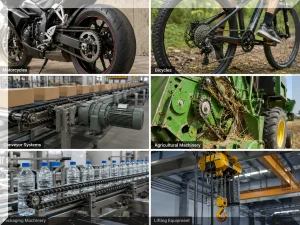
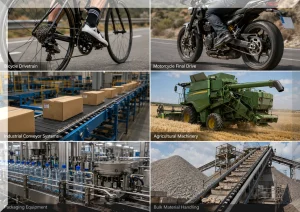
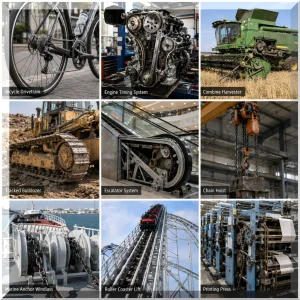
La cadena de rodillos #180 se sitúa en el extremo superior de la gama de cadenas estándar ANSI B29.1. Con un paso de 2,25 pulgadas (57,15 mm) y una resistencia a la tracción mínima de aproximadamente 160 000 lbf (71 toneladas) por hebra, la #180 no es una cadena de uso general. Está especificada para sistemas de accionamiento donde ninguna otra cadena de menor tamaño resulta mecánicamente adecuada: grandes transportadores en plantas siderúrgicas, sistemas de accionamiento principal de elevadores de cangilones en el procesamiento de cemento y áridos, sistemas de carga de prensas pesadas y sistemas de accionamiento de transportadores primarios en operaciones mineras subterráneas.
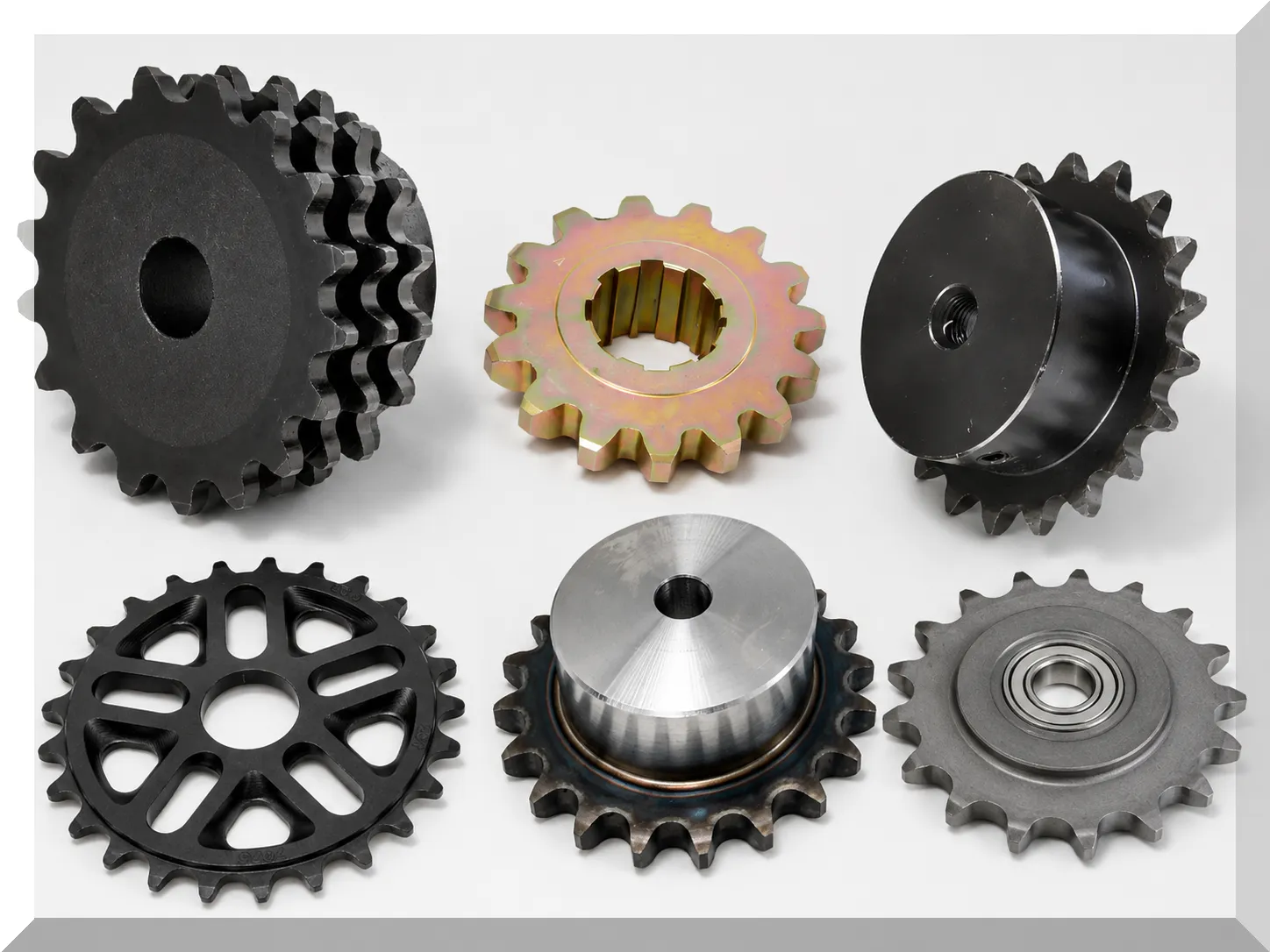
Se ofrecen tres estilos de buje: placa A para un espacio axial mínimo, buje B para transmisiones de eje principal de par moderado (11–28 dientes) y buje C con proyección de buje de doble cara para el mayor número de dientes (30–60 dientes), donde se requiere la máxima longitud de acoplamiento del eje para transmitir los pares sustanciales involucrados. Fabricado íntegramente en acero SAE 1045: su mayor contenido de carbono en comparación con el acero base 1018 común proporciona la resistencia a la tracción y la templabilidad superficial que requieren estas exigentes aplicaciones.
- ⚙Cadena: ANSI #180 — paso 2,25″ (57,15 mm), diámetro del rodillo 1,406″, ancho interior 1,406″
- ⚙Placa A: 11–60 dientes, diámetro exterior 9,010″–44,280″, peso 14,0–505,0 lb
- ⚙Cubo B: 11–28 dientes; cubo C: 30–60 dientes — para el par de acoplamiento del eje más alto
- ⚙Material: acero SAE 1045; dientes endurecidos con tratamiento térmico disponibles; ANSI B29.1
Especificaciones del piñón de placa A #180
Las ruedas dentadas A-plate #180 no tienen cubo. La columna "(D)" indica el diámetro máximo del orificio para el cuerpo de la placa plana: el orificio más grande que se puede mecanizar en el disco plano manteniendo la integridad estructural. Las ruedas dentadas A-plate 180A se utilizan en instalaciones donde el espacio axial es crítico o donde la rueda dentada se soldará a una brida de eje o a un elemento estructural en lugar de montarse en un eje cilíndrico estándar.
| Tamaño del piñón | Dientes | Tipo | Diámetro exterior (en) | Diámetro del cilindro | Diámetro máximo (D) | Peso (lb) |
|---|---|---|---|---|---|---|
| 180A11 | 11 | A | 9.010 | 1-1/2″ | 5-1/2″ | 14.0 |
| 180A12 | 12 | A | 9.750 | 1-1/2″ | 6″ | 16.0 |
| 180A13 | 13 | A | 10.480 | 1-1/2″ | 6-3/4″ | 20.0 |
| 180A14 | 14 | A | 11.210 | 1-1/2″ | 7″ | 24.0 |
| 180A15 | 15 | A | 11.930 | 1-1/2″ | 7″ | 28.0 |
| 180A16 | 16 | A | 12.660 | 1-1/2″ | 7″ | 32.0 |
| 180A17 | 17 | A | 13.390 | 1-1/2″ | 7″ | 37.0 |
| 180A18 | 18 | A | 14.110 | 1-1/2″ | 7″ | 43.0 |
| 180A19 | 19 | A | 14.830 | 1-1/2″ | 7-1/2″ | 47.0 |
| 180A20 | 20 | A | 15.560 | 1-1/2″ | 7-1/2″ | 53.0 |
| 180A21 | 21 | A | 16.280 | 1-1/2″ | 7-1/2″ | 57.0 |
| 180A22 | 22 | A | 17.000 | 1-1/2″ | 7-1/2″ | 62.0 |
| 180A23 | 23 | A | 17.720 | 1-1/2″ | 7-1/2″ | 69.0 |
| 180A24 | 24 | A | 18.440 | 1-1/2″ | 7-1/2″ | 75.0 |
| 180A25 | 25 | A | 19.160 | 1-1/2″ | 7-1/2″ | 80.0 |
| 180A28 | 28 | A | 21.320 | 1-1/2″ | 8″ | 93.0 |
| 180A30 | 30 | A | 22.760 | 1-1/2″ | 8-1/2″ | 108.0 |
| 180A35 | 35 | A | 26.350 | 1-1/2″ | 8-1/2″ | 145.0 |
| 180A40 | 40 | A | 29.940 | 1-1/2″ | 8-1/2″ | 190.0 |
| 180A45 | 45 | A | 33.530 | 1-1/2″ | 9″ | 284.0 |
| 180A54 | 54 | A | 39.980 | 1-1/2″ | 9″ | 420.0 |
| 180A60 | 60 | A | 44.280 | 1-1/2″ | 9-1/2″ | 505.0 |
Especificaciones del piñón B-Hub #180
Las ruedas dentadas B-hub #180 cuentan con una proyección de buje en una de sus caras, lo que permite un acoplamiento extendido del eje para la retención mediante chaveta y tornillo de fijación. Esta es la especificación estándar para la mayoría de las posiciones del eje de transmisión principal en las transmisiones industriales por cadena #180. El diámetro del buje y la longitud del orificio pasante determinan si la rueda dentada tendrá suficiente espacio libre con los cojinetes y bastidores adyacentes; verifique estos valores con sus planos de instalación antes de realizar el pedido.
| Tamaño | Dientes | OD (pulg.) | Diámetro del cilindro | Diámetro máximo | Centro Dia. | Longitud a través del orificio | Peso (lb) |
|---|---|---|---|---|---|---|---|
| 180B11 | 11 | 9.010 | 1-1/2″ | 3-5/8″ | 5-1/2″ | 3″ | 29.0 |
| 180B12 | 12 | 9.750 | 1-1/2″ | 4″ | 6″ | 3″ | 32.0 |
| 180B13 | 13 | 10.480 | 1-1/2″ | 4-5/8″ | 6-3/4″ | 3-1/8″ | 40.0 |
| 180B14 | 14 | 11.210 | 1-1/2″ | 5-1/4″ | 7″ | 3-1/8″ | 44.0 |
| 180B15 | 15 | 11.930 | 1-1/2″ | 5-1/4″ | 7″ | 3-1/8″ | 50.0 |
| 180B16 | 16 | 12.660 | 1-1/2″ | 5-1/4″ | 7″ | 3-1/8″ | 54.0 |
| 180B17 | 17 | 13.390 | 1-1/2″ | 5-1/4″ | 7″ | 3-1/4″ | 60.0 |
| 180B18 | 18 | 14.110 | 1-1/2″ | 5-3/8″ | 7-1/2″ | 3-1/4″ | 68.0 |
| 180B19 | 19 | 14.830 | 1-1/2″ | 5-3/8″ | 7-1/2″ | 3-3/8″ | 74.0 |
| 180B20 | 20 | 15.560 | 1-1/2″ | 5-3/8″ | 7-1/2″ | 3-3/8″ | 81.0 |
| 180B21 | 21 | 16.280 | 1-1/2″ | 5-3/8″ | 7-1/2″ | 3-3/8″ | 88.0 |
| 180B22 | 22 | 17.000 | 1-1/2″ | 5-3/8″ | 7-1/2″ | 3-3/8″ | 95.0 |
| 180B24 | 24 | 18.440 | 1-1/2″ | 5-3/8″ | 7-1/2″ | 3-3/8″ | 105.0 |
| 180B25 | 25 | 19.160 | 1-1/2″ | 5-3/8″ | 7-1/2″ | 3-3/8″ | 113.0 |
| 180B28 | 28 | 21.320 | 1-1/2″ | 5-3/8″ | 8″ | 3-1/2″ | 135.0 |
Especificaciones del piñón C-Hub #180
Las ruedas dentadas C-hub #180 cuentan con salientes en ambas caras del cuerpo de la placa. Esta construcción de doble cubo proporciona la máxima longitud de acoplamiento del eje disponible para las unidades con mayor número de dientes (30-60 dientes), donde los pares transmitidos requieren el acoplamiento de chaveta más prolongado posible para evitar el desgaste por fricción del eje. La 180C60, con un peso de 221 kg (489 lb), es un equipo de gran tamaño; verifique los requisitos de elevación y manipulación antes de planificar la instalación.
| Tamaño | Dientes | OD (pulg.) | Diámetro del cilindro | Diámetro máximo | Centro Dia. | Longitud a través del orificio | Peso (lb) |
|---|---|---|---|---|---|---|---|
| 180C30 | 30 | 22.760 | 1-1/2″ | 5-3/4″ | 8-1/2″ | 4-3/8″ | 180.0 |
| 180C35 | 35 | 26.350 | 1-1/2″ | 5-3/4″ | 8-1/2″ | 4-3/8″ | 222.0 |
| 180C40 | 40 | 29.940 | 1-1/2″ | 5-3/4″ | 8-1/2″ | 4-3/8″ | 270.0 |
| 180C45 | 45 | 33.530 | 1-1/2″ | — | 9″ | 5″ | 315.0 |
| 180C54 | 54 | 39.980 | 1-1/2″ | 6″ | 9″ | 5″ | 477.0 |
| 180C60 | 60 | 44.280 | 1-1/2″ | 6-1/2″ | 9-1/2″ | 5-3/8″ | 489.0 |
Consideraciones de ingeniería para el diseño de la transmisión por cadena #180
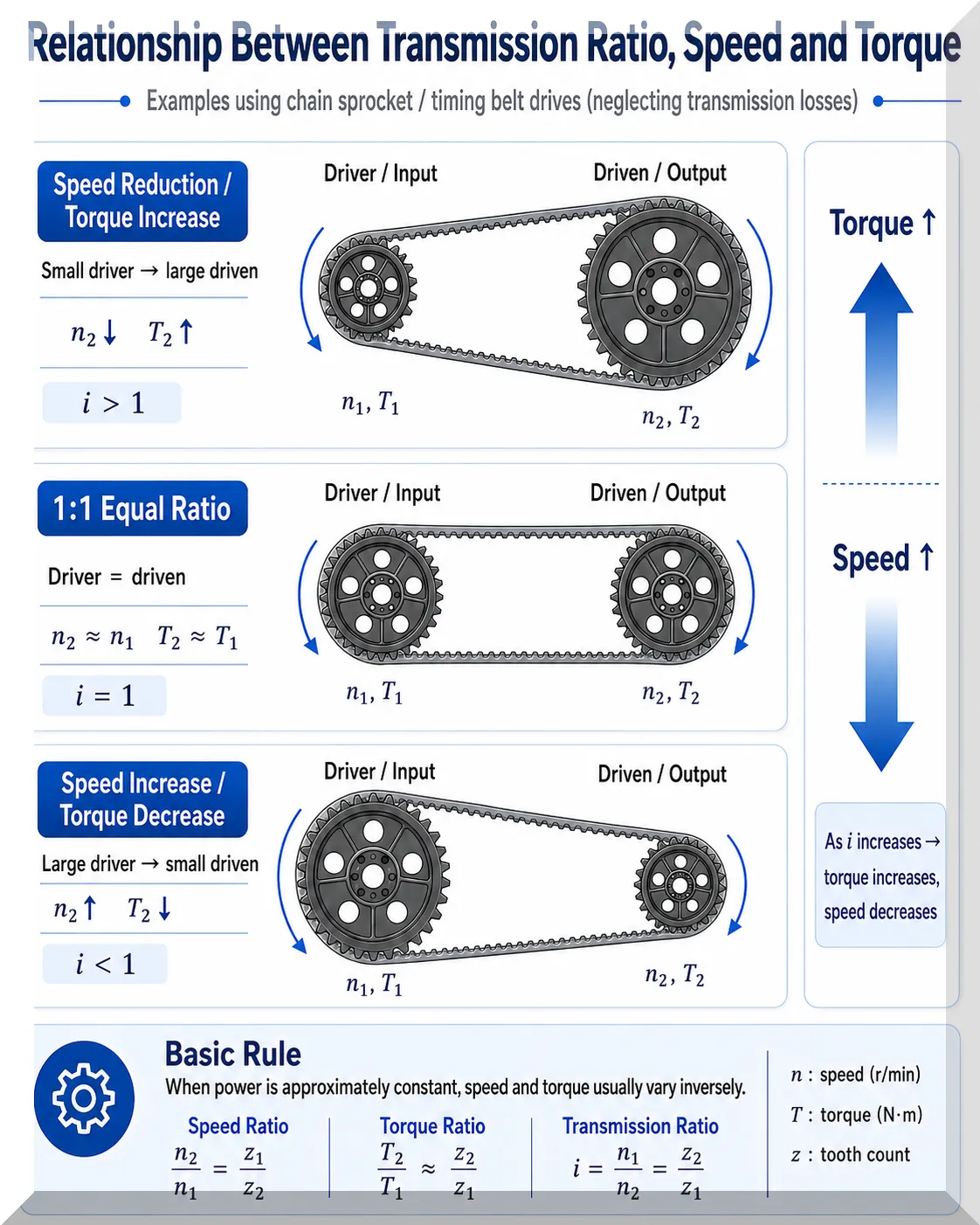
Las transmisiones por cadena #180 operan en un régimen de rendimiento diferente al de las cadenas ANSI de menor tamaño. Con un paso de 2,25 pulgadas, el efecto poligonal es significativo incluso a velocidades de eje moderadas: la velocidad máxima recomendada para una rueda dentada #180 de 17 dientes es de aproximadamente 250–350 rpm, lo que equivale a unos 3,5 m/s. Más allá de esto, la carga de impacto por engranaje de diente supera la resistencia que incluso los dientes endurecidos SAE 1045 pueden soportar a largo plazo sin un desgaste acelerado.
Aplicaciones industriales pesadas para piñones de cadena #180
Cadena de rodillos #180 compatible
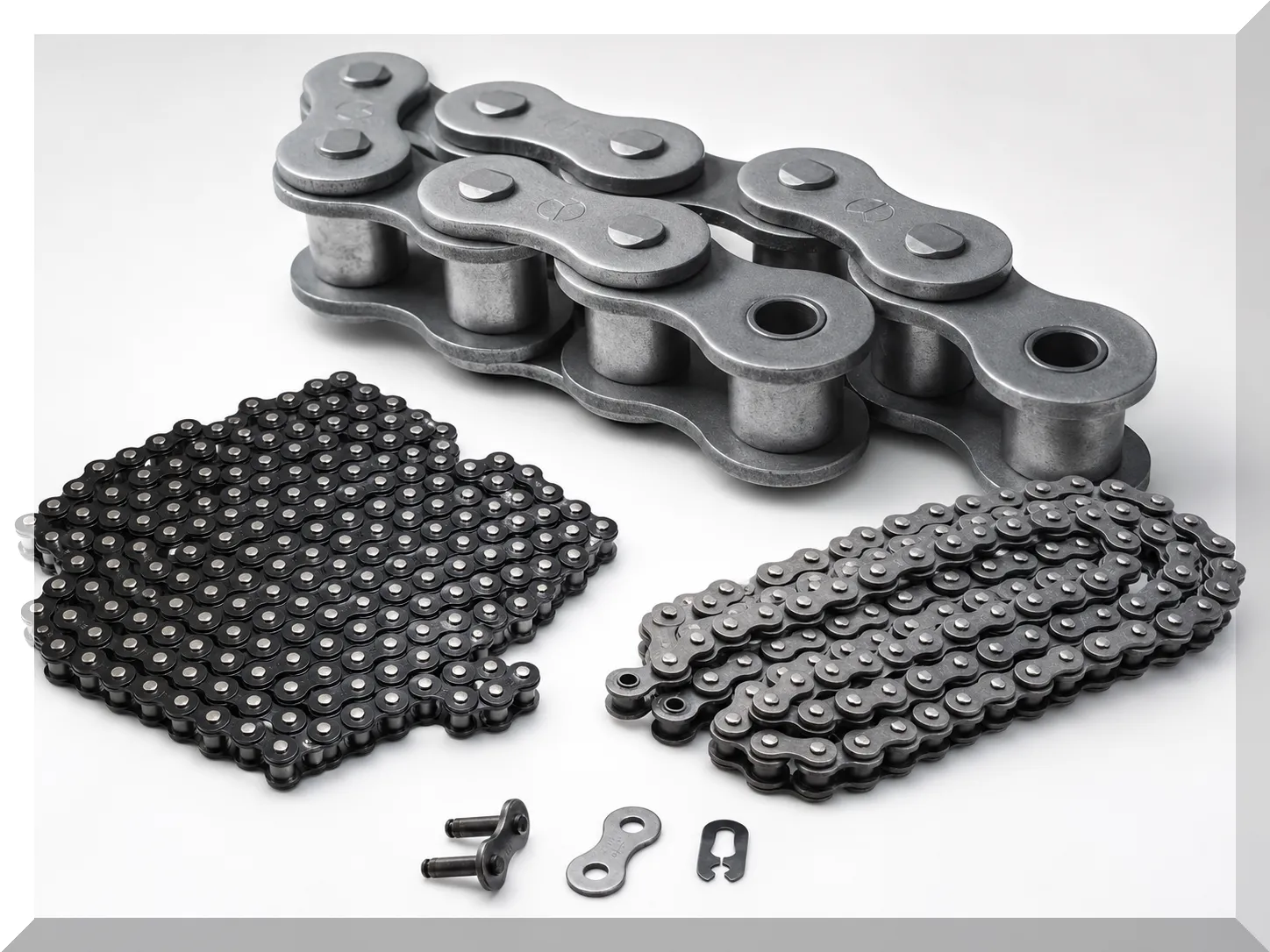
Korea Ever-Power tiene acciones #180 cadena de rodillos de alta resistencia — Cadena de un solo hilo y eslabones de conexión — para combinar con los piñones mencionados anteriormente. Para aplicaciones exigentes donde la resistencia a la tracción estándar #180 es limitada, nuestra serie #180H de alta resistencia está disponible con placas laterales más gruesas y pasadores más grandes. Al adquirir cadenas y piñones del mismo fabricante, se garantiza la compatibilidad dimensional, eliminando la acumulación de pequeñas tolerancias que puede ocurrir al mezclar cadenas y piñones de diferentes proveedores.
Nuestro equipo técnico ofrece orientación técnica completa sobre las clasificaciones de potencia de la cadena #180 y los cálculos de carga del eje para instalaciones industriales específicas. Para obtener información más general, póngase en contacto con nosotros. Sistema de cadena y piñón de alta resistencia Para referencia, póngase en contacto con nosotros indicándonos los parámetros de su variador (potencia, velocidad, factor de servicio y entorno) y le confirmaremos las especificaciones correctas.
¿Por qué Corea? Cadena y piñón Ever-Power
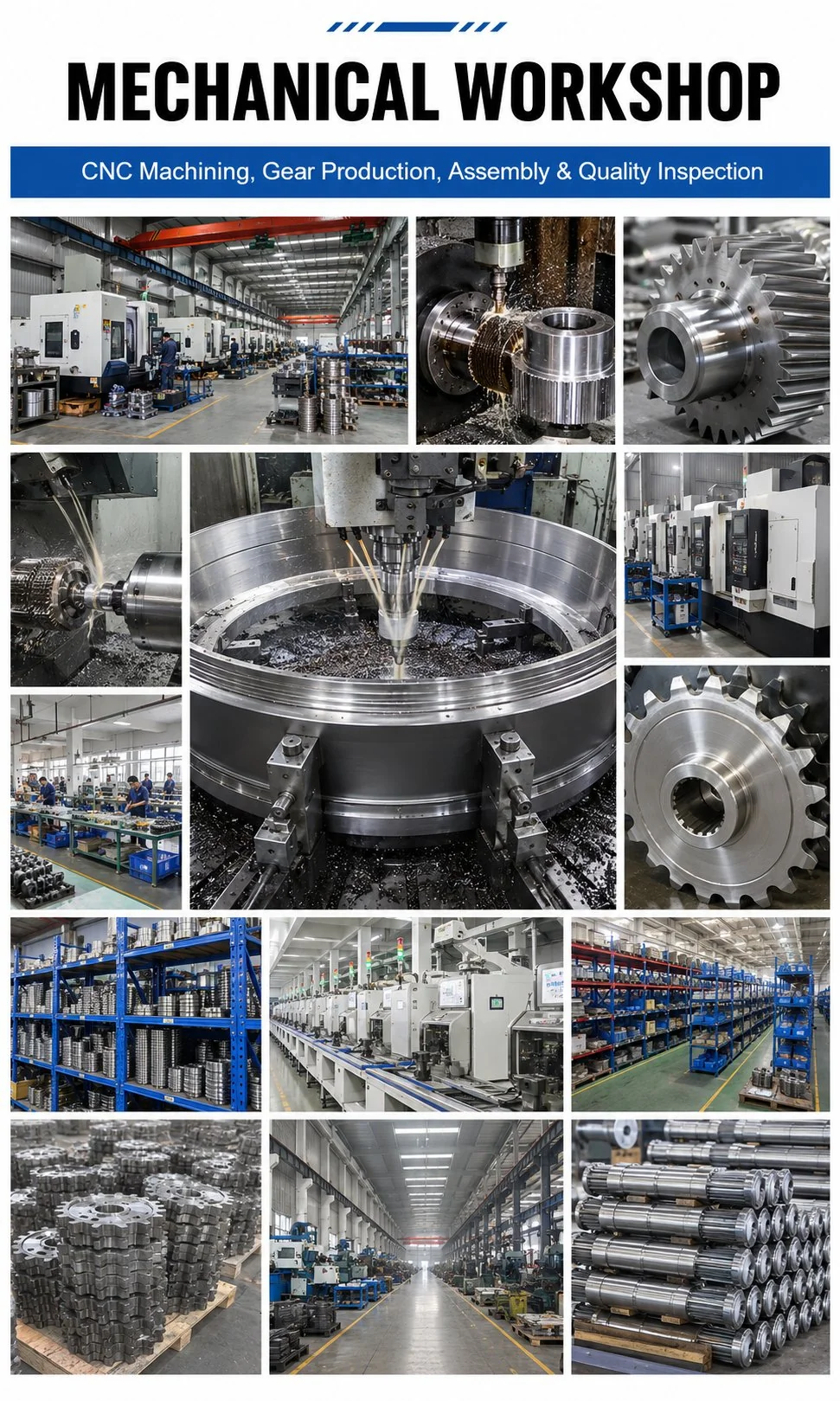
Compañía Coreana Ever-Power de Cadenas y Piñones, Ltd. Fabrica y mantiene en stock piñones #180 para los tres tipos de buje, con soporte técnico para la adquisición de componentes para la industria pesada:
Preguntas frecuentes
Opiniones de los clientes
Opiniones verificadas de clientes en Corea y mercados aledaños.
Jang Seong-hyun, Jefe de Mantenimiento, Planta Siderúrgica Integrada, Pohang (principios de 2025)
"Durante la parada anual por mantenimiento, sustituimos cuatro juegos de piñones #180 con buje en C en los accionamientos de nuestra mesa de transferencia de losas. Korea Ever-Power nos suministró los modelos 180C30 y 180C35 con orificios personalizados según nuestros planos de eje. Los cuatro piñones llegaron dentro del plazo de entrega prometido de 12 días, y los orificios tenían una tolerancia de ±0,01 pulgadas respecto al diámetro especificado. No hubo problemas de instalación. Este nivel de fiabilidad en un periodo de parada tan ajustado es de suma importancia."
Kim Hyun-woo, Ingeniero de Proyecto, Ampliación de la Planta de Cemento, Provincia de Chungcheong del Norte (2024)
Especificamos piñones #180A para la instalación en el eje del elevador de cangilones de nuestra nueva línea de manipulación de clínker. Korea Ever-Power comparó los números de catálogo de nuestros piñones existentes y confirmó la equivalencia dimensional antes de realizar el pedido. La primera entrega de cuatro unidades con placa A cumplió con todas las dimensiones. Ahora los hemos establecido como nuestro proveedor estándar para esta clase de producto.
Park Yong-jin, Gerente de Compras, Compañía de Operaciones de Canteras, Gyeonggi-do (T3 2024)
"Adquirimos piñones #180 con buje B como stock de mantenimiento anual para los accionamientos de la cinta transportadora de nuestra trituradora primaria. Disponemos de tres tamaños: 180B14, 180B17 y 180B21. Las cotizaciones de Korea Ever-Power son consistentemente entre 20 y 30% inferiores a lo que pagábamos a través del distribuidor anterior por especificaciones equivalentes. El plazo de entrega de 10 días se ajusta a nuestro programa de mantenimiento planificado."
Oh Jae-sik, Director Técnico, Fabricante de Equipos Industriales, Ulsan (2025)
Fabricamos equipos pesados para manipulación de materiales y necesitamos con frecuencia piñones #180 en combinaciones que no tienen los distribuidores. Korea Ever-Power nos ha proporcionado configuraciones personalizadas —con números de dientes no estándar y orificios especiales— que no podíamos conseguir en nuestro país. La respuesta a las consultas técnicas es rápida y el equipo de ingeniería entiende nuestras necesidades sin necesidad de explicaciones extensas.
Lee Byung-su, Ingeniero de Instalaciones, Operador de Terminal Portuaria, Busan (principios de 2025)
"En algunas de nuestras líneas transportadoras más antiguas, los equipos de manipulación de materiales a granel del puerto utilizan la cadena #180. Los piñones de repuesto solían tardar entre 4 y 6 semanas en llegar de los proveedores europeos. Korea Ever-Power tenía en stock los modelos 180A17 y 180B17, y los entregaron en 11 días. Esa es la diferencia entre un cambio de mantenimiento programado y una parada de emergencia mientras se esperan las piezas."
Información adicional
| Editor | Cxm |
|---|
Productos relacionados
-
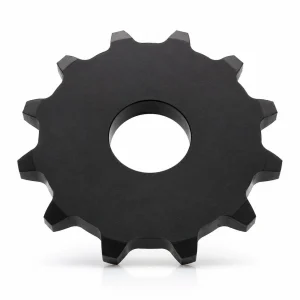
Piñones de cadena de acero soldados WR78 / WH78 | Placa A de 7 a 20 dientes — Acero dulce y acero endurecido QT400
-
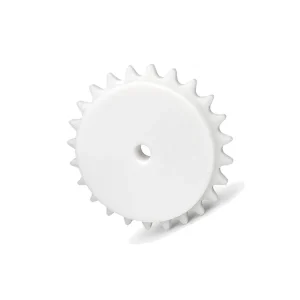
Piñones de plástico | Nylatron, acetal, nailon — Aprobados por la FDA, autolubricantes, resistentes a la corrosión.
-
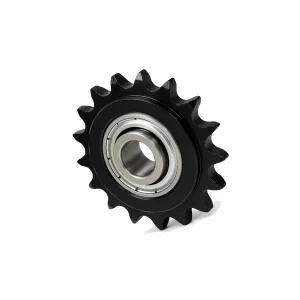
Piñones tensores | Rodamientos de bolas, rodamientos de agujas, bronce y no metálicos — Guía y tensor de cadena
-
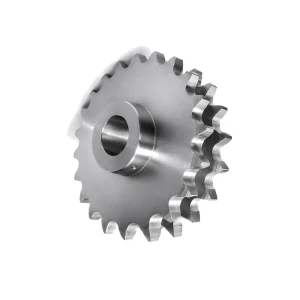
Piñones de doble paso | Tipos estándar y de rodillos portadores C2040, C2050, C2060 y C2080
-
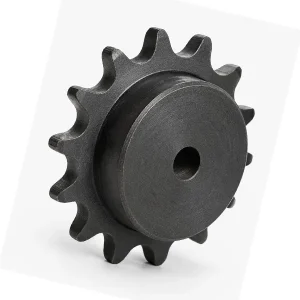
Piñones de cadena de rodillos #240 | Placa A, cubo B, cubo C – De 10 a 60 dientes, paso de 3 pulgadas
-
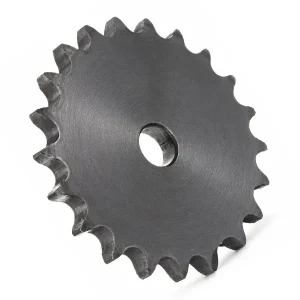
Piñones de cadena de rodillos | Placa A y cubo B – De 18 a 72 dientes, acero SAE 1045
-
Piñones de cadena de rodillos de una sola hilera | Placa A, cubo B, cubo C, cónico, QD, para soldar
-
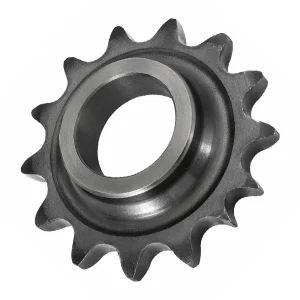
Piñón de hierro fundido | DIN 8187 ISO 606