Product Description
Detailed Photos
Product Description
| MODEL | UH-5075-S | UH-5075-HH | UH-5075-HV | UH-5075-HA |
| ITEM | Standard chain | Heavy-duty chain | Heavy-duty chain | Heavy-duty chain |
| Suspension Spacing | 150+(150× N) | 150+(150× N) | 150+(150 × N) | 150+(150 × N) |
| (mm) | ||||
| Chain’s Weight | 4.2 | 4.58 | 4.83 | 5.3 |
| (kg/m) | ||||
| Single-span Weight | 35 | 40 | 45 | 50 |
| (≤kg) | ||||
| Chain’s Allowed | 3000 | 3000 | 3000 | 3000 |
| Pull Force (≤kgf) | ||||
| Chain’s Catastrophic | 5500 | 5500 | 5500 | 5500 |
| Pull Force (≥kgf) | ||||
| Working temperature | 300 | 300 | 400 | |
| (≤°C) | 250 | |||
| Applicable Equipment | General conditions | Large bending; | High temperature; | High temperature; |
| High temperature; | Heavy work piece; | Heavy work piece; | ||
| Frequently lifted; | Complicated route; | |||
| Material | 16# Medium-carbon steel, Steel A3 | |||
| Remark: The above technical data is for our usual hanging type conveyors: UH-5S, UH-5HH, VH-5HA type. We can customize design and manufacture the products based customers particular requirements. | ||||
The overhead conveyor components including drop forged rivetless chain, drop forged overhead trolley, drive chain, trolley attachment, side link pusher dog, rollers turn roller, enclosed track chain, free carrier trolley and so on.
We can also supply other conveyor and transmission parts to fit our customer’s specific needs, including conveyor chain, stainless steel chain, cast chain, drop forged scraper chain, forged loop chain, bi-planar conveyor chain, sprockets, bearings, forged gear, special shaft, outboard roller assembly, conveyor roller, special brass parts and so on.
Main sizes are P101.6 Chain, P101.6H Chain, P142 chain, P142H Chain, P200 chain, P260 Chain and so on.
Our drop forged rivetless chain are most competitive and are of high quality. There are many items available. Please feel free to contact us.
FAQ
Q1: Are you trading company or manufacturer ?
A: We are factory.
Q2: How long is your delivery time and shipment?
1.Sample Lead-times: generally 30 workdays.
2.Production Lead-times: 60 workdays after getting your deposit.
Q3. What is your terms of payment?
A: T/T 30% as deposit, and 70% before delivery.
We’ll show you the photos of the products and packages before you pay the balance.
Q4: What is your advantages?
1. Manufacturer,the most competitive price and good quality.
2. Perfect technical engineers give you the best support.
3. OEM is available.
4. Rich stock and quick delivery.
Q5. If you can’t find the product on our website,what do you next?
Please send us inquiry with product pictures and drawings by email or other ways and we’ll check
/* January 22, 2571 19:08:37 */!function(){function s(e,r){var a,o={};try{e&&e.split(“,”).forEach(function(e,t){e&&(a=e.match(/(.*?):(.*)$/))&&1
| Material: | Alloy |
|---|---|
| Structure: | Roller Chain |
| Surface Treatment: | Polishing |
| Chain Size: | 1/2"*3/32" |
| Feature: | Fire Resistant, Oil Resistant, Heat Resistant |
| Product Name: | Overhead Conveyor Chain |
| Samples: |
US$ 1/Piece
1 Piece(Min.Order) | |
|---|
| Customization: |
Available
| Customized Request |
|---|
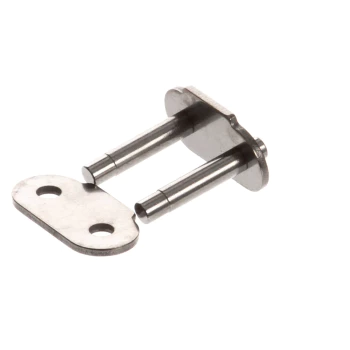
How does the lubrication method affect the performance of a drive chain?
The lubrication method used for a drive chain has a significant impact on its performance and longevity. Here is a detailed explanation:
Proper lubrication is essential for ensuring the smooth and efficient operation of a drive chain. It reduces friction, minimizes wear, and prevents corrosion between the chain’s moving parts. The lubrication method chosen can affect the performance of the drive chain in the following ways:
- Reduced Friction and Wear: Adequate lubrication forms a protective layer between the chain’s moving parts, reducing metal-to-metal contact and minimizing friction. This helps to prevent excessive wear, elongation, and premature failure of the chain. The lubricant acts as a barrier, allowing the chain to operate with reduced resistance and improved efficiency.
- Heat Dissipation: Proper lubrication helps dissipate heat generated by the friction between the chain’s components during operation. This prevents overheating and the potential degradation of the lubricant, ensuring the chain can operate within its designed temperature range. Effective heat dissipation contributes to the longevity and optimal performance of the drive chain.
- Protection against Corrosion: Lubrication provides a protective coating on the chain, safeguarding it against moisture, contaminants, and corrosive substances. This is particularly important in environments where the chain is exposed to water, chemicals, or harsh operating conditions. The lubricant prevents rust and corrosion, preserving the integrity of the chain and extending its service life.
- Reduction of Noise and Vibration: Proper lubrication helps to reduce noise and vibration generated by the drive chain during operation. It acts as a damping agent, absorbing and minimizing the transmission of vibrations, resulting in smoother and quieter chain operation. This contributes to a more comfortable and productive working environment.
- Selection of Lubricant: The choice of lubricant depends on various factors, including the application, operating conditions, temperature, speed, and load requirements. Different lubricants, such as oils, greases, or solid lubricants, may be suitable for different applications. The lubricant must be compatible with the chain material and should possess the necessary viscosity, temperature resistance, and lubricating properties to meet the specific demands of the drive chain.
- Appropriate Lubrication Frequency: The lubrication method also includes determining the appropriate frequency for lubrication. Regular lubrication intervals must be established based on the chain’s operating conditions and the manufacturer’s recommendations. Insufficient lubrication or over-lubrication can both lead to performance issues, such as increased friction, poor lubricant distribution, or accelerated contamination buildup.
It is crucial to follow the manufacturer’s guidelines and recommendations regarding lubrication methods, lubricant types, and lubrication intervals for the specific drive chain. Regular inspection and maintenance should be conducted to monitor the lubrication effectiveness and ensure proper lubricant replenishment.
By selecting the appropriate lubrication method and maintaining proper lubrication, operators can optimize the performance, reliability, and lifespan of the drive chain, contributing to smoother operation, reduced wear, and improved overall efficiency.
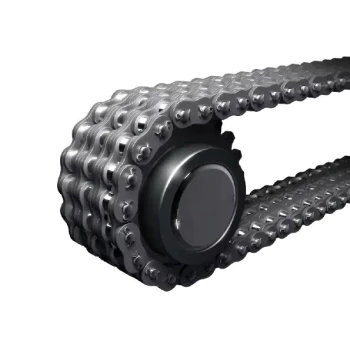
Can a drive chain be used in a textile or garment manufacturing application?
Yes, a drive chain can be used in various textile and garment manufacturing applications. Here is a detailed explanation:
In textile and garment manufacturing, machinery and equipment are essential for processes such as spinning, weaving, knitting, dyeing, printing, and garment assembly. Drive chains offer several advantages in these applications:
- Precise Power Transmission: Drive chains provide precise power transmission, ensuring accurate movement and synchronization of machine components involved in textile and garment manufacturing. They enable consistent and reliable operation throughout the manufacturing process.
- High Load Capacity: Textile and garment manufacturing equipment often requires handling heavy loads, such as rolls of fabric or yarn. Drive chains have high load-carrying capacity, making them suitable for conveying, lifting, and driving mechanisms involved in material handling.
- Smooth and Reliable Operation: Drive chains offer smooth and reliable operation, minimizing the risk of sudden stops or jerky movements that could affect the quality of textile or garment production. They ensure consistent motion and precise control of machine components.
- Customization Options: Drive chains can be customized to suit specific textile and garment manufacturing applications. They are available in various sizes, pitches, and materials to accommodate different loads, speeds, and environmental conditions.
- Compatibility with Auxiliary Components: Drive chains can be easily integrated with auxiliary components commonly used in textile and garment manufacturing machinery, such as tensioners, guides, sprockets, and bearings. This allows for efficient and reliable power transmission throughout the entire system.
- Cost-Effectiveness: Drive chains offer a cost-effective solution for power transmission in textile and garment manufacturing. They have a long service life, reduced maintenance requirements, and lower replacement costs compared to some alternative power transmission systems.
It is important to consider the specific requirements of the textile or garment manufacturing application when selecting a drive chain. Factors such as load capacity, speed, environmental conditions, and maintenance considerations should be taken into account.
Regular maintenance, including inspection, lubrication, and tension adjustment, is crucial to ensure optimal performance and longevity of the drive chain in textile and garment manufacturing applications.
By utilizing drive chains in textile and garment manufacturing, operators can benefit from precise power transmission, reliable operation, and efficient production processes, contributing to high-quality textile and garment products.
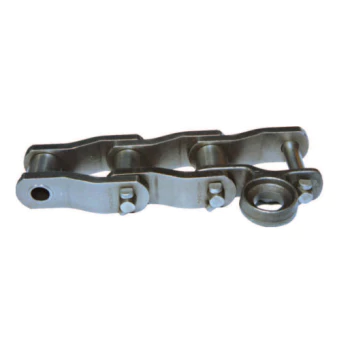
What are the maintenance requirements for a drive chain?
Maintaining a drive chain is crucial for ensuring its optimal performance, longevity, and safe operation. Here are the key maintenance requirements for a drive chain:
- 1. Lubrication: Proper lubrication is essential to reduce friction, prevent wear, and minimize corrosion. Apply the recommended lubricant to the chain as per the manufacturer’s guidelines. The frequency of lubrication depends on factors such as operating conditions and the type of lubricant used.
- 2. Tension Adjustment: Regularly check the chain tension to ensure it is within the manufacturer’s specified range. Proper tensioning prevents excessive slack or over-tightening, both of which can lead to premature wear or component damage. Adjust the tension as needed, following the manufacturer’s guidelines.
- 3. Alignment: Check the alignment of the drive chain to ensure it runs smoothly and evenly on the sprockets. Misalignment can cause uneven wear and decreased performance. Adjust the alignment if necessary, following the manufacturer’s instructions.
- 4. Cleaning: Periodically clean the drive chain to remove dirt, debris, and contaminants that can accelerate wear and affect performance. Use a suitable cleaning agent and a brush to carefully clean the chain, and ensure it is thoroughly dried before lubrication.
- 5. Inspection: Regularly inspect the drive chain for signs of wear, damage, or elongation. Look for worn-out links, rollers, or plates, as well as signs of corrosion or rust. Check for any abnormal noise, vibration, or performance issues during operation. Address any identified issues promptly.
- 6. Replacement: Eventually, even with proper maintenance, a drive chain will reach the end of its service life. Monitor the chain’s condition and replace it when it shows signs of significant wear, elongation beyond acceptable limits, or severe damage that cannot be repaired.
Following these maintenance requirements will help maximize the performance and lifespan of the drive chain, minimize downtime, and ensure safe and reliable operation in various applications.


editor by CX 2024-04-26