Pignons de chaîne en acier soudé WR78 / WH78 | Plaque A 7–20 dents — Acier doux et trempé QT400
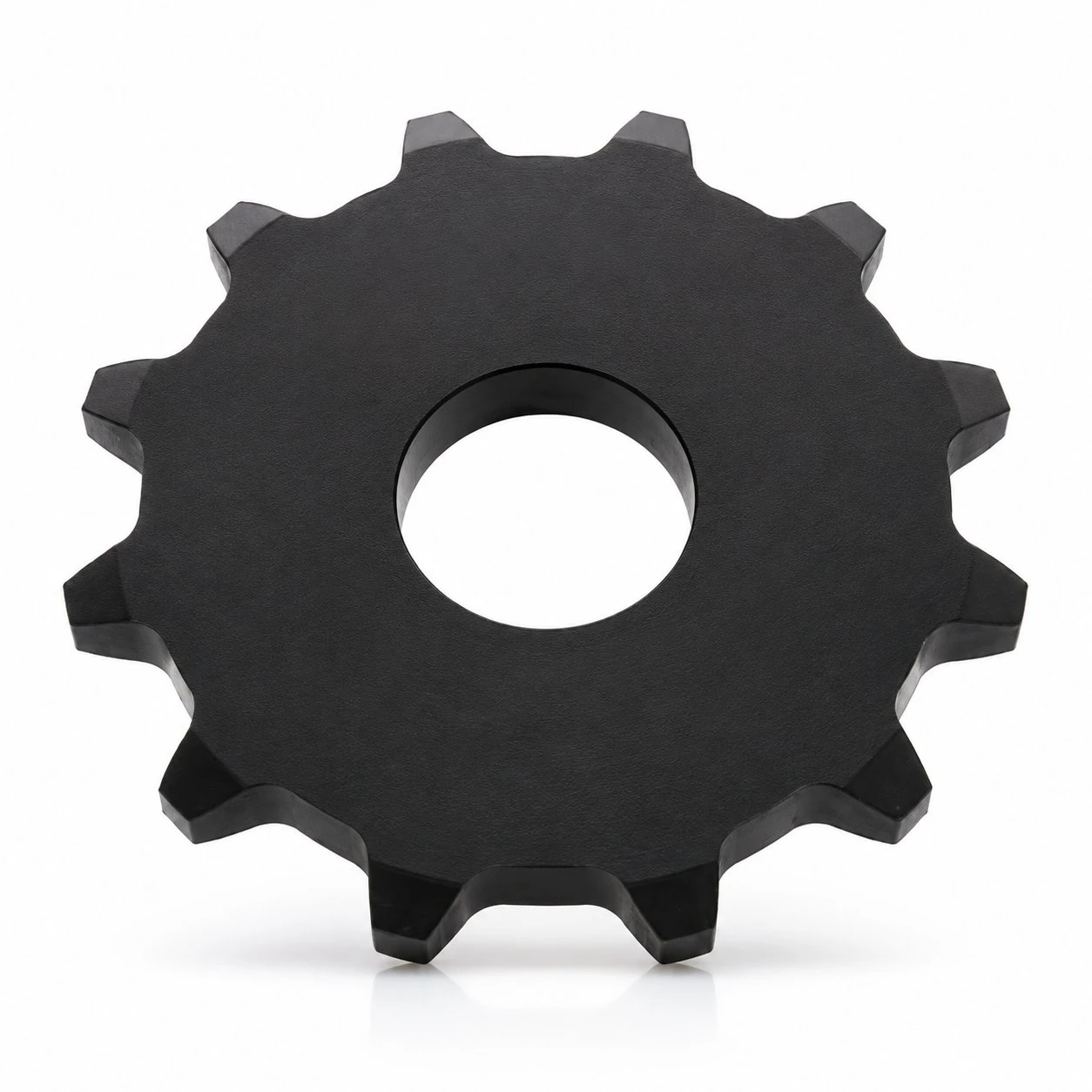
La Corée toujours puissante WR78/WH78 welded steel chain A-plate sprockets cover 7 to 20 teeth at 2.609-inch pitch — compatible with both WR78 offset sidebar chain and WH78 welded steel mill chain. Available in mild steel or QT400 hardened steel, and in solid, split-to-bolt, or split-for-welding construction. Non-metallic idler bodies in brass, nylon, or UHMW with grease grooves and grease fittings are available for applications requiring lubrication-free or corrosion-resistant idler positions.
WR78 and WH78 Welded Steel Chain — Construction, Differences, and Sprocket Compatibility
Welded steel chain is a category of heavy-duty engineering chain where the chain links are formed by stamping and welding thick steel plates — fundamentally different from both pintle chain (cast iron links) and roller chain (assembled pin-bushing-roller construction). The welded construction creates a chain with no separate inner/outer plate components: each link is a single continuous welded steel element, giving these chains exceptional resistance to the lateral bending and impact loads encountered in bucket conveyor, drag conveyor, and heavy agricultural applications.
The WR78 and WH78 designations cover two closely related chains at the same 2.609-inch pitch:
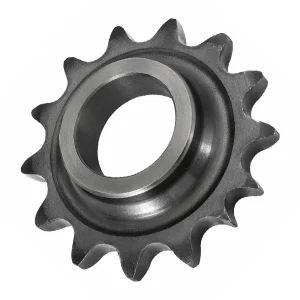
The A-plate sprocket style has no hub projection — the sprocket is a flat disc with the tooth profile cut into the outer edge and a through-bore in the centre. This is the standard configuration for welded steel chain drives where the sprocket is keyed to the shaft and retained with collars or shaft shoulders.
For detailed WR78 welded steel chain specifications including breaking loads, attachment configurations, and compatibility with XHD construction variants, technical reference data is available on request from Korea Ever-Power before ordering.
Three Construction Options — Solid, Split-to-Bolt, Split-for-Welding
WR78/WH78 A-plate sprockets can be manufactured in three structural configurations, each suited to a different installation and maintenance scenario:
WH78 A-Plate Sprocket Specifications — 7 to 20 Teeth
All dimensions in inches. Pitch is 2.609 inches for all sizes (same as 81X series). Barrel diameter and tooth face are consistent across the range (0.875″ and 1.000″ respectively). Maximum bore increases with tooth count from 2.1875″ (7T) to 5.9375″ (20T).
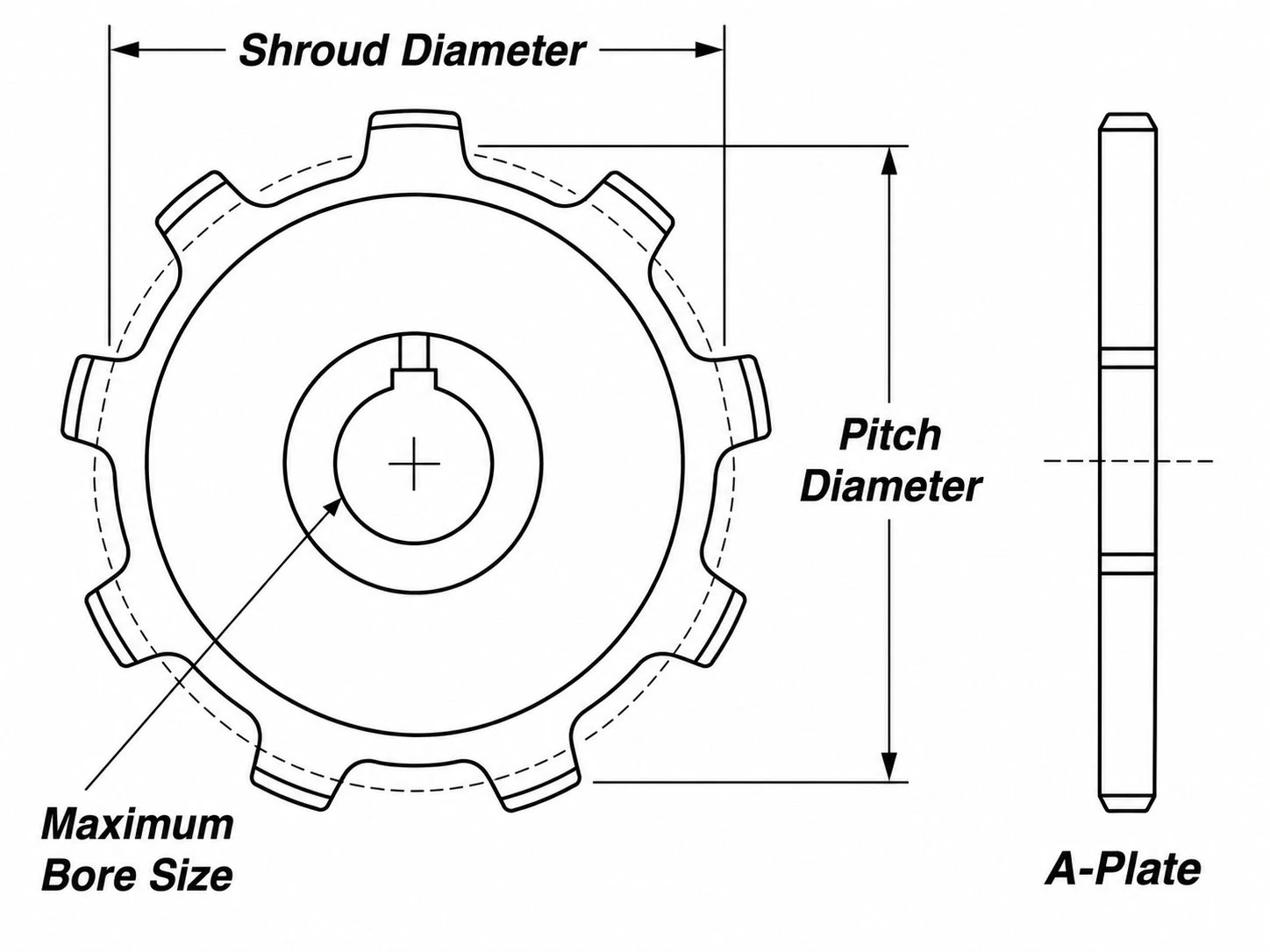
| Sprocket # | Dents | Pitch (in) | Pitch Dia. | Style | Shroud Dia. | Barrel Dia. | Tooth Face | Alésage maximal | Poids |
|---|---|---|---|---|---|---|---|---|---|
| WH78-A7 | 7 | 2.609″ | 6.01″ | Plaque A | 4.150″ | 0.875″ | 1,000″ | 2.1875″ | 7.5 lb |
| WH78-A8 | 8 | 2.609″ | 6.82″ | Plaque A | 5.040″ | 0.875″ | 1,000″ | 2.4375″ | 9.0 lb |
| WH78-A9 | 9 | 2.609″ | 7.63″ | Plaque A | 5.920″ | 0.875″ | 1,000″ | 2.6875″ | 11.0 lb |
| WH78-A10 | 10 | 2.609″ | 8.44″ | Plaque A | 6.776″ | 0.875″ | 1,000″ | 2.9375″ | 14.0 lb |
| WH78-A11 | 11 | 2.609″ | 9.26″ | Plaque A | 7.640″ | 0.875″ | 1,000″ | 3.4375″ | 17.0 lb |
| WH78-A12 | 12 | 2.609″ | 10.08″ | Plaque A | 8.500″ | 0.875″ | 1,000″ | 3.4375″ | 20.0 lb |
| WH78-A13 | 13 | 2.609″ | 10.90″ | Plaque A | 9.350″ | 0.875″ | 1,000″ | 3.9375″ | 23.0 lb |
| WH78-A14 | 14 | 2.609″ | 11.72″ | Plaque A | 10.180″ | 0.875″ | 1,000″ | 4.9375″ | 27.0 lb |
| WH78-A15 | 15 | 2.609″ | 12.55″ | Plaque A | 11.030″ | 0.875″ | 1,000″ | 4.9375″ | 31.0 lb |
| WH78-A16 | 16 | 2.609″ | 13.37″ | Plaque A | 11.860″ | 0.875″ | 1,000″ | 4.9375″ | 35.0 lb |
| WH78-A17 | 17 | 2.609″ | 14.20″ | Plaque A | 12.710″ | 0.875″ | 1,000″ | 4.9375″ | 38.0 lb |
| WH78-A18 | 18 | 2.609″ | 15.02″ | Plaque A | 13.550″ | 0.875″ | 1,000″ | 4.9375″ | 41.0 lb |
| WH78-A19 | 19 | 2.609″ | 15.85″ | Plaque A | 14.380″ | 0.875″ | 1,000″ | 4.9375″ | 44.0 lb |
| WH78-A20 | 20 | 2.609″ | 14.20″ | Plaque A | 12.710″ | 0.875″ | 1,000″ | 5.9375″ | 47.0 lb |
Material Selection — Mild Steel vs. QT400 Quench-and-Tempered Steel
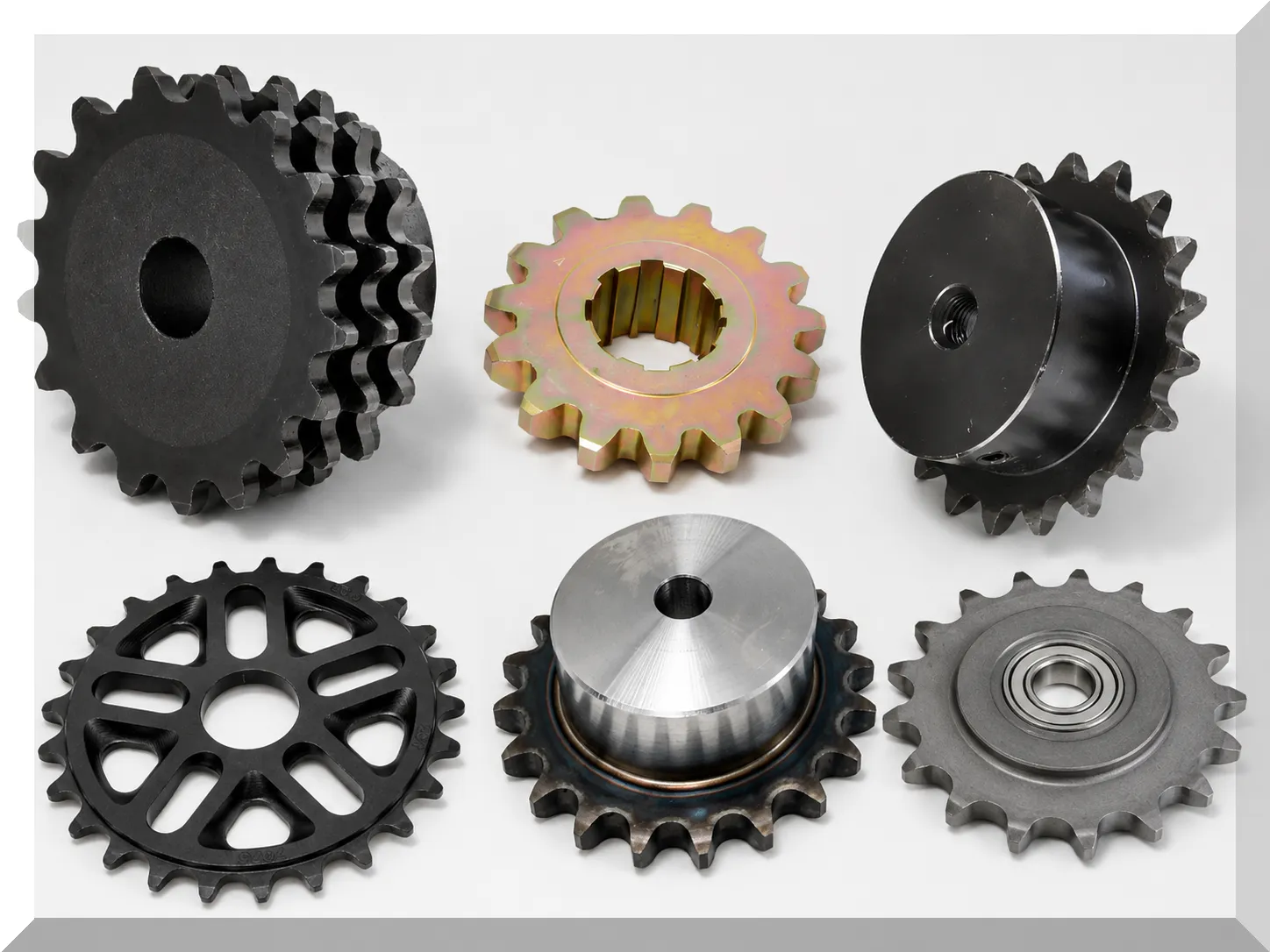
WR78/WH78 A-plate sprockets are available in two material grades with significantly different performance characteristics:
| Propriété | Mild Steel | QT400 (Quench and Tempered) |
|---|---|---|
| Yield strength | 250 MPa (36,000 psi) | 400 MPa (58,000 psi) minimum |
| Tooth face hardness | 120–160 HB (as-machined) | 300–360 HB (through-hardened) |
| résistance à l'abrasion | Modéré | Excellent |
| Machinability (bore machining) | Easy — standard tooling | Moderate — harder tooling required |
| Best application | Light-to-medium agricultural, low abrasion | Industrial abrasive, high-speed, high-load |
| Délai de mise en œuvre | From stock | 3–4 weeks production |
QT400 is specified for cement plant, steel slag handling, and industrial conveyor applications where the higher hardness is needed to resist abrasion from the conveyed material contacting the sprocket tooth face. For standard agricultural grain drag conveyors and light industrial material handling, mild steel provides adequate service life at lower cost.
Non-Metallic Idler Bodies — Brass, Nylon, and UHMW with Grease Fittings
WR78/WH78 idler positions (non-driving take-up sprockets) can be supplied with non-metallic bodies in brass, nylon, or UHMW-PE instead of steel. These configurations include grease grooves machined into the barrel contact surface and standard grease fittings for periodic lubrication. The non-metallic body reduces the friction coefficient at the chain-to-sprocket contact, which is particularly valuable at idler positions where the chain contacts the sprocket without transmitting torque — minimising the drag that a steel-on-steel contact would otherwise impose on chain tension.
Brass idler bodies are specified for wet or corrosive environments where steel would corrode. Nylon bodies are used where weight reduction matters. UHMW bodies (with the lowest friction coefficient) are the preferred specification for idler positions in cement and aggregate applications where abrasive dust contacts the sprocket — UHMW resists abrasive wear better than nylon at these contact conditions. All three materials are available with the standard WR78/WH78 tooth profile and any bore size within the sprocket's maximum bore limit.
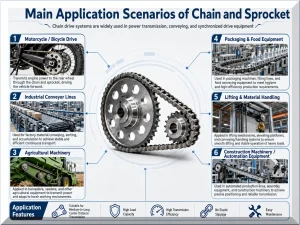
Where WR78/WH78 Welded Steel Chain Sprockets Are Used
Pourquoi choisir la chaîne et le pignon Korea Ever-Power ?
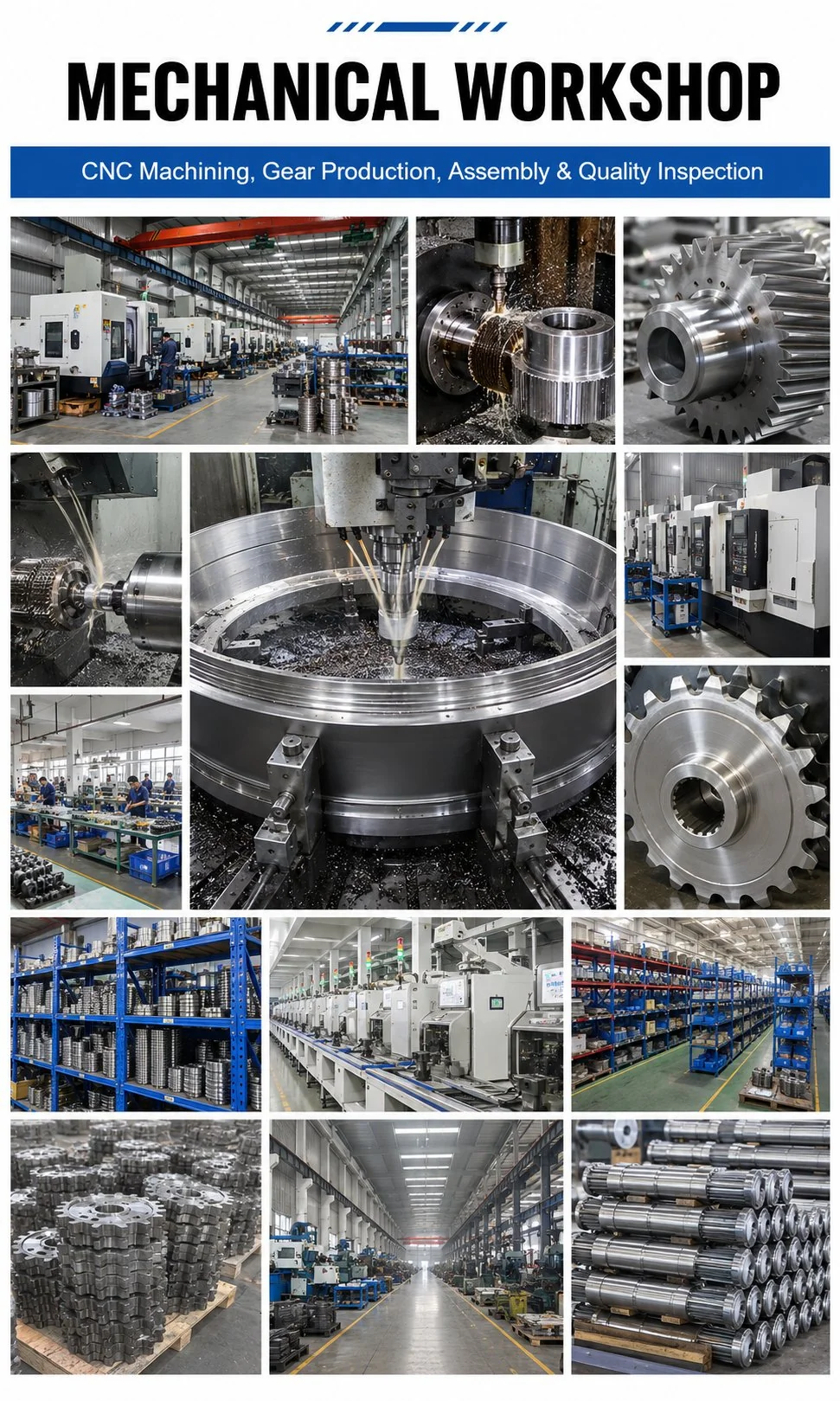
Korea Ever-Power Chain and Sprocket Co., Ltd. supplies WR78/WH78 A-plate sprockets with full material and construction options:
Foire aux questions
Avis clients
Verified feedback from Korean customers.
"WH78 chain drag conveyors throughout our cement plant. Switched to QT400 hardened WH78-A10 and WH78-A12 sprockets from Korea Ever-Power two years ago after mild steel units were wearing out in 7–8 months in our clinker dust environment. QT400 sprockets are currently at 16 months with acceptable tooth wear. The material specification recommendation from Korea Ever-Power before our order was correct."
"We build custom grain drag conveyors for Korean feed mills and storage cooperatives. WR78 chain with mild steel WH78-A9 and WH78-A11 A-plate sprockets. Korea Ever-Power supplies split-for-welding construction for our fabrication work — we weld the sprocket halves to our fabricated shaft stubs during assembly. Consistent dimensional accuracy across multiple orders over 14 months."
"We installed split-to-bolt WH78-A12 sprockets on our head shaft positions. The previous solid construction required 3+ hours to replace per sprocket due to shaft removal. Split-to-bolt installation reduced that to 35 minutes per position. Korea Ever-Power confirmed the matched-pair machining for the split halves — the bore concentricity is correct on all installed units."
Informations complémentaires
| Éditeur | Cxm |
|---|
Produits similaires
-
Pignons en plastique | Nylatron, acétal, nylon — Approuvés par la FDA, autolubrifiants, anticorrosion
-
Pignons libres | Roulements à billes, à aiguilles, en bronze et non métalliques — Guide-chaîne et tendeur
-
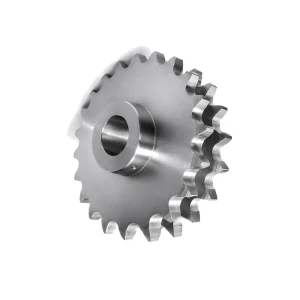
Pignons à double pas | C2040 C2050 C2060 C2080 Types de galets standard et porteurs
-
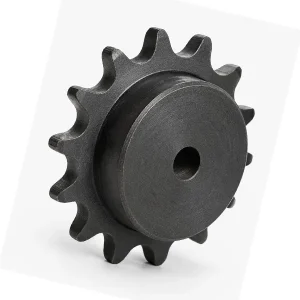
Pignons de chaîne à rouleaux #240 | Plateau A, moyeu B, moyeu C – 10 à 60 dents, pas de 3 pouces
-
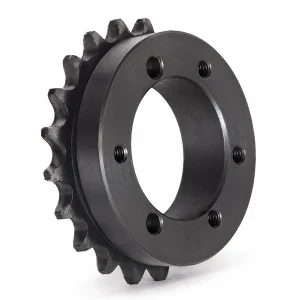
Pignons de chaîne à rouleaux #180 | Plateau A, moyeu B, moyeu C – 11 à 60 dents, SAE 1045
-
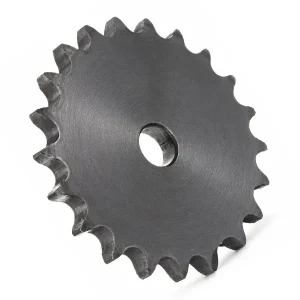
Pignons de chaîne à rouleaux | Plateau A et moyeu B – 18 à 72 dents, acier SAE 1045
-
Pignons de chaîne à rouleaux monobrin | Plaque A, moyeu B, moyeu C, conique, à souder QD
-
Pignon en fonte | DIN 8187 ISO 606